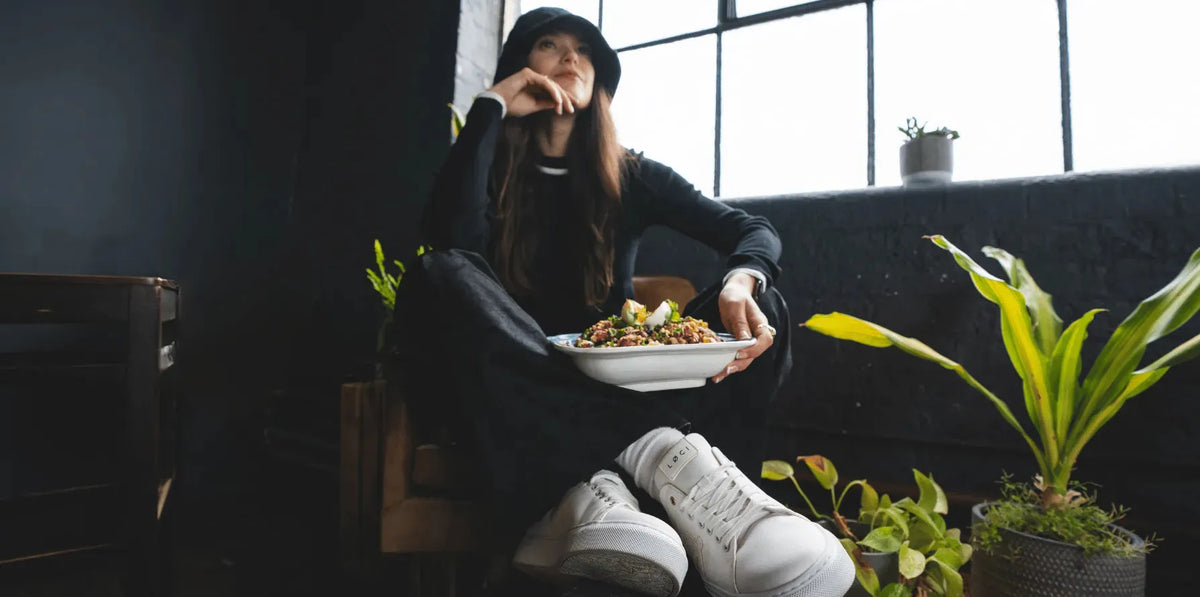

Article: How to Choose Trouser Length and Cuff Style for Perfectly Balanced Sneaker Outfits
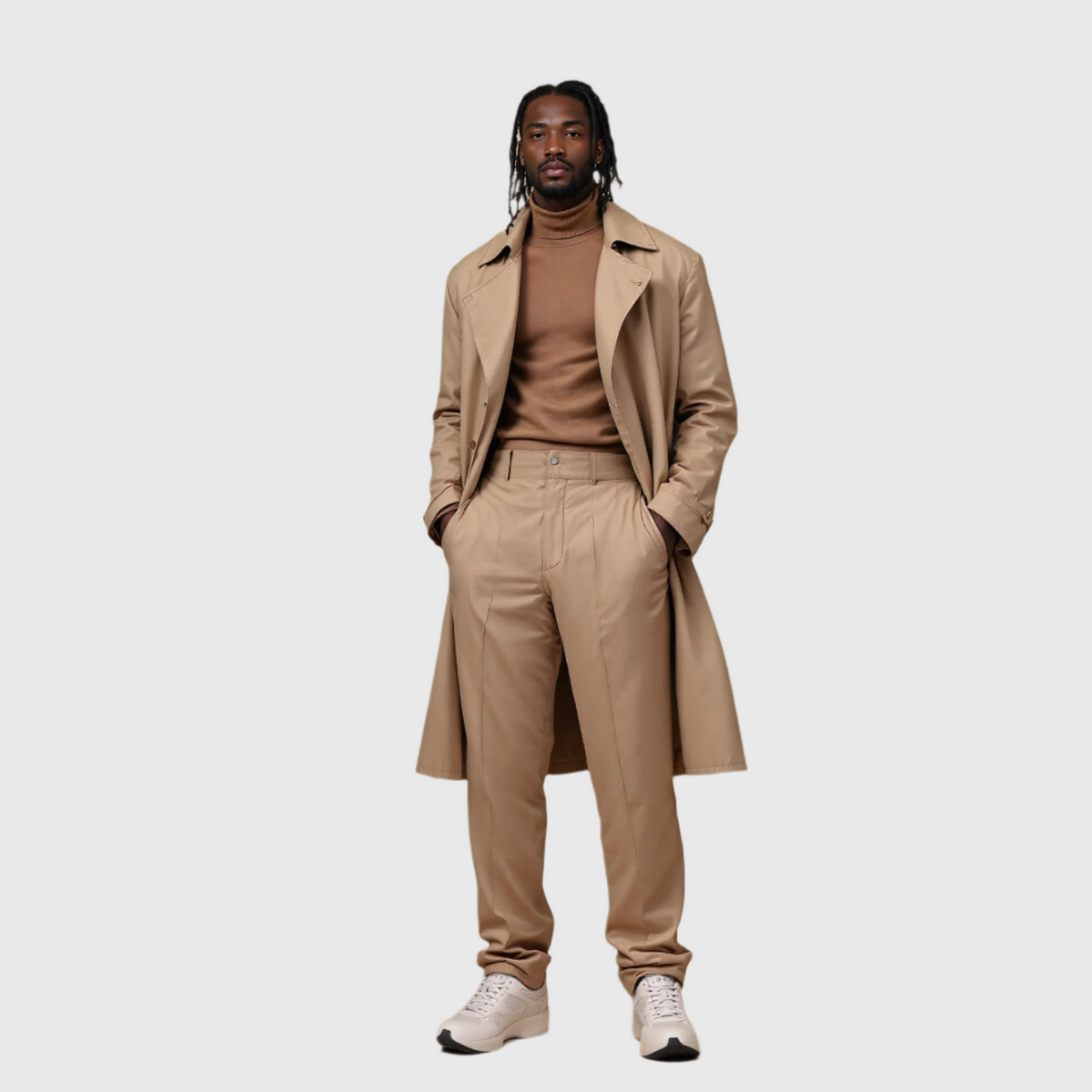
How to Choose Trouser Length and Cuff Style for Perfectly Balanced Sneaker Outfits
Get the balance between trousers and trainers right and you can turn a so-so outfit into a sharp, intentional look. Small missteps in hem length or cuffing upset proportions. How much ankle should show, what ankle coverage works best, and which cuff or hem finish keeps the silhouette clean?
This guide covers proportion rules, ankle reveal, matching trouser cuts to trainer styles, cuff options, and neat hem finishes, so you can make deliberate choices. Use practical tips to harmonise body, trouser, and trainer proportions, eliminate awkward breaks, and elevate everyday trainers with simple, repeatable adjustments.

How to balance body shape, trouser fit, and trainer proportions
Use ankle exposure and the trouser break as visual levers. A small gap between hem and ankle, paired with low-profile trainers, lengthens the leg, while letting the hem sit closer to a chunkier trainer anchors the foot and stops the trainer from looking stranded. Match the trouser silhouette to trainer volume: pair narrow, tapered legs or cropped hems with streamlined trainers to preserve a continuous vertical line, and choose straighter or slightly wider hems with bulkier trainers so the proportions read cohesive. Prioritise your body shape over rules of thumb. Test small, incremental changes and compare photos to see whether cropping or a gentler break better balances your proportions.
Before altering a hem, stand, walk, and sit, observing how the fabric moves and whether the heel counter becomes obscured. Pin the preferred length with clips or tailor’s pins, then take side photographs to review the break in motion. Choose a cuff to direct emphasis: no cuff for a clean, elongated silhouette, a narrow turn-up to add weight to the lower leg without shortening it, and a wider turn-up or visible stacking for a casual pairing with heavy trainers. Keep cuff height proportional to the ankle opening so the turn-up reads as part of the overall shape rather than an afterthought. Make small adjustments, compare photographs, and let proportion and movement determine the final finish.

Choose trainer collar height to adjust ankle reveal
Choose a foot-covering height—no-show, ankle, crew, or calf—to control how much ankle appears. No-show hides the ankle, ankle reveals a touch of skin, crew reaches mid-calf, and calf covers most of the lower leg. Matching the colour of your foot covering to your trousers lengthens the leg line, while matching it to your trainers creates a deliberate break in the silhouette. For hems, opt for a single turn-up for a neat, short hem; pinroll to remove excess fabric at the shoe collar; or use an intentional crop for a fixed ankle reveal. Single turn-ups suit straight or slightly tapered trousers, pinrolls work best with slim, tapered legs and low-to-mid trainers, and crops pair well with slim trousers and low-profile trainers. These cuff techniques reduce bulk at the ankle and prevent fabric from bunching against the trainer, keeping the lower silhouette tidy across different trouser widths and trainer profiles.
Pair tapered or slim trousers with a visible ankle to create a contemporary, athletic-leaning balance. Use a small break on straight trousers to preserve a relaxed, classic look. Allow wider or cropped trousers to reveal more ankle or hem so they sit neatly against a trainer rather than gaping. Low-profile trainers read longer with more ankle reveal, so favour a crop or a minimal cuff. High-top or chunky trainers work better with a longer hem or a secure pinroll to prevent bunching. Lighter-coloured soles can make hems that are too short appear top heavy, so adjust cuff length accordingly. Stand, walk, sit, and climb stairs to see how hems shift, then take a neutral-angle photo to check proportions. If the leg looks shortened, lower the cuff, reduce contrast at the ankle by choosing a darker colour for the layer at your ankle, or lengthen the hem slightly to restore balance.

How to match trousers to trainers by cut and length
Match the trouser silhouette to the trainer profile. Slim, tapered, or cropped legs suit low-profile trainers because they keep the hemline light and preserve a clean visual line. Wide or straight legs work best with chunkier trainers, which visually anchor the extra fabric. Choose length by how much ankle and shoe you want visible: a slight crop revealing about 1 to 2 centimetres of ankle keeps proportions neat with low trainers, a full length with a small break complements classic silhouettes, and a longer hem that sits on the shoe creates a relaxed, streetwise look while obscuring trainer details. Stand and walk to confirm the two elements read as a single silhouette.
Match cuff treatment to fabric weight and the trainer throat. Lightweight fabrics will roll or take a single turn; medium or structured fabrics benefit from a neat stitched cuff, and a wider turn-up can mirror the visual weight of a chunky sole. Use liner height and colour deliberately: low, tonal liners elongate the leg with cropped trousers and minimalist trainers, while a contrasting liner creates an intentional break between trouser and trainer. When altering hems, ask your tailor to preserve extra original fabric so you can test different cuff widths later and avoid irreversible changes. Check the fit in motion: walk, sit, climb stairs, and squat to see whether the hem bunches, catches under the sole, or hides defining shoe features. Prioritise a clean ankle line and even hem, because slight asymmetry often reads as a deliberate stylistic choice once the outfit moves.
Trousers and trainers: practical pairing and tailoring checklist
- Take a tailor-ready measurement set: bring the trainers you will wear, stand naturally, and have the tailor measure hems with your shoes on; ask them to leave extra original fabric to allow trying alternative cuff sizes later, and request a test hem so you can walk before final stitching.
- Match silhouette to trainer profile: slim, tapered, or cropped legs with low-profile trainers keep the hem line light, while wide or straight legs benefit from chunkier trainers that visually anchor the fabric; high-top trainers work best with tapered or cropped trousers to avoid excess bulk.
- Decide length by visible ankle and shoe detail: a slight crop that reveals about 1 to 2 centimetres of ankle keeps proportions neat with low trainers, a full length with a small break suits classic silhouettes, and a longer hem that sits on the shoe creates a relaxed look but will obscure trainer details.
- Choose cuff and sock treatment to balance fabric weight and trainer throat: for lightweight fabrics, use a roll or a single fold; for medium and structured fabrics, opt for a tailored cuff or a broader turn-up to echo a chunky sole; pair cropped trousers and minimal trainers with low, tonal socks to elongate the leg, or use a contrasting sock to create an intentional visual break.
- Run movement fit checks: walk, sit, climb stairs, and squat to spot bunching, hem catching under the sole, or hidden shoe features; prioritise a clean ankle line and even hem, and adjust length or cuff width if the outfit fails these practical tests.

Choose cuff styles and neat hem finishes to sharpen your outfit
Choose a narrow turn-up, a stitched hem, a pinroll, or a cropped raw edge, since each changes the visual weight at the ankle. A narrow turn-up or stitched hem anchors slim and straight cuts. A pinroll removes bulk for a sleeker line on slimmer legs. A cropped raw edge shortens perceived leg length on wider trousers. To find the right length, stand in the trainers you will wear, let the trouser fall naturally, and mark where the fabric meets the shoe. From that point, decide on a slight break, a cropped clearance of 1 to 3 centimetres above the shoe, or a 1 to 2 centimetre turn-up. Before committing to a permanent hem, test the look with pins or long hand-basting and check the fall and proportion while standing and seated.
For a polished autumn finish, use blind hems or a chain stitch. Raw hems or singed edges create a casual edge, while taped or interfaced hems prevent bagging in looser weaves. Heavier fabrics hold a cuff and give a cleaner break; lightweight fabrics tend to flare unless you add interfacing, choose a narrower hem, or keep the cuff shallow. In the workshop, apply stay tape at stress points to stop stretch, then use long basting stitches to trial cuff width and placement before stitching permanently. Preserve proportions by matching cuff width to sole thickness, pairing legwear height with the crop to control ankle visibility, and pressing hems after laundering. If a cuff slips, re-baste and check the look both seated and standing.

How to coordinate materials, colour, and styling details
Balance fabric weight with trainer profile. Pair lightweight chinos or linen with low-profile canvas or smooth synthetic trainers, and reserve heavier denims or flannels for chunkier trainers to prevent trousers looking too slim or overly baggy. Use colour value and a single accent, such as laces, a cuff lining, or a belt detail, to elongate the leg or create a deliberate focal point. Coordinate textures and trims as well as colour: match suede-like finishes with brushed or matte fabrics, pair glossy synthetics with smoother wools, and echo small details, like stitching or metal eyelets, in belt hardware or jacket fastenings to guide the eye across the outfit.
Match the cuff to the shoe opening and desired proportion. A clean, cropped hem suits low-profile sneakers; a narrow pinroll trims hem width for bulky trainers; a single or double cuff adds structure under heavier soles. Test each option while standing and walking. Choose what you wear beneath the hem to prevent fabric bunching, and leave a 1 to 2 centimetre hem buffer for movement. Anchor a roll with a hidden tack or slip stitch to keep it in place during activity, and favour readily washable fabrics where sneakers may scuff or get wet so the outfit endures wear.
The right trouser length and cuff shape balance leg, trainers, and body proportions, turning everyday trainers into a considered part of an outfit. Use ankle reveal, the amount of lower-leg exposure, trouser silhouette, and fabric weight as practical levers. Photograph small adjustments to judge proportions, and favour those tweaks rather than following blanket, one-size-fits-all guidance.
Follow these practical checks: stand, walk, and sit to test movement. Pin or baste the hem, then take straight-on photos to see how the fabric falls in motion. Make small, incremental tweaks, match cuff width to sole thickness, and re-evaluate until the silhouette reads as a single, intentional shape that suits your body and your trainers.