

How to Design Trainers That Last Longer and Repair Quickly
All too often, a single worn eyelet, torn lining, or abraded outsole sidelines otherwise sound trainers. Forcing a full replacement over a minor fault wastes materials and leaves owners frustrated.
Target common wear points and material weaknesses, design for disassembly and modular repairs, and provide spare parts, clear repair guides, and accessible service pathways. Together, these steps speed repairs, improve reliability, and make fixes straightforward. Read on for practical design strategies that enable quick repairs, keep trainers in use longer, and reduce avoidable waste.

How to spot wear points and material weaknesses in your trainers
Analyse field returns alongside standardised lab tests, and convert the results into heat maps that visualise where wear concentrates across the trainer: the toe box, lateral forefoot, seam junctions, and eyelet areas. Use those maps to prioritise reinforcements where they will have the biggest impact. Modularise commonly failing elements so parts can be replaced without specialist tools or full product disposal. Examples include detachable outsoles, replaceable heel caps, and removable insoles with standardised attachment points. Specify seams and fasteners that let cobblers or end users swap parts quickly. Choose materials that balance abrasion resistance with repairability. Pair durable textiles or laminated overlays with thermoplastic components that can be demoulded or mechanically fastened. Validate those choices with comparative abrasion and peel tests to quantify both durability and ease of repair.
Building on those material choices, design for repair: route stitch lines away from high-stress zones, add sacrificial toe patches or reinforcement panels, and mark alignment guides to simplify reassembly. Field and lab trials show items with sacrificial patches and easy fastener access return to service more reliably after simple repairs. Use adhesives and joint methods that permit controlled separation, and publish clear exploded diagrams, step-by-step guides, and part numbers so repairs are repeatable. Capture post-repair performance data, and add simple visual wear indicators to close the design loop and prompt timely part replacement.
Consider a durable, repair-friendly midweight layer for testing materials.

Design for Disassembly: Modular Repairs That Extend Product Life
Start by mapping common failure modes from field returns, consumer feedback, and simple lab tests to identify the five parts that fail most often, and quantify how each fails. Concentrate modular redesign on those parts: turn insoles, outsoles, toe caps, and heel counters into distinct, swappable modules with keyed attachments and simple alignment features. Standardise dimensions and make modules interoperable so a small set of spare parts can service multiple trainers and sneakers. This approach streamlines spare-part inventories and yields the greatest extension of usable life across models.
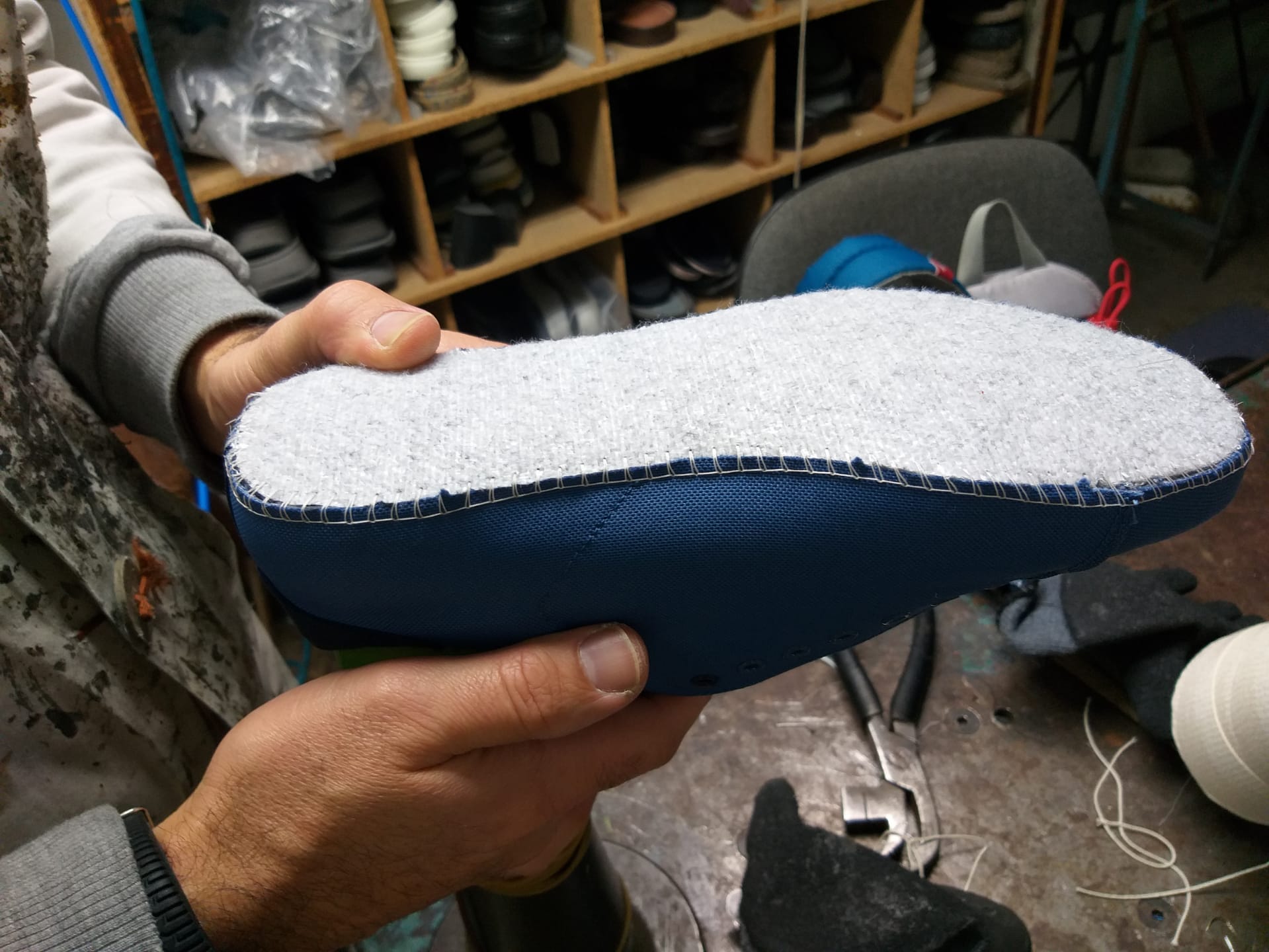
Specifically for sneakers and trainers, prefer mechanical connections over permanent bonded joints: use snap-fit interfaces or standard screws set in accessible recesses, and provide clear access channels so common tools can make repairs reversible and non-destructive. Specify textiles and foams that accept stitching, patching, or bonding; position seams for easy re-stitching, and reinforce high-stress zones with replaceable overlays to simplify local repair and extend component life. Add durable part codes, visible wear indicators, and simple diagrams on inner linings or flaps to speed diagnosis and parts identification. Design fast-access panels or tool-light removal methods that require only common implements. Pair these physical cues with concise, step-by-step repair instructions and parts lists aimed at users and high-street cobblers to increase the likelihood of repair over replacement.
Pair durable, low‑impact layers that extend wardrobe lifespan.

Offer spare parts, step-by-step repair guides, and clear service pathways
Make commonly failing components modular: insoles, lace systems, eyelets, heel counters, and outer-sole sections. Use standard fastenings, visible part numbers, and accessible seams so a single replacement part can be swapped without dismantling the whole trainer. Validate the approach by timing replacement cycles and tracking reuse rates to show how quickly and durably parts are renewed. Specify repair-friendly construction and materials, favouring stitching and mechanical joins that can be reopened with common tools or gentle heat, and choose widely available fasteners and consumables. Run repeated disassembly and reassembly tests to confirm a trainer tolerates multiple repairs without losing performance.
To make those modular parts usable, make repairability straightforward and transparent. - Publish a searchable spare parts catalogue with photographs, exploded diagrams, material codes, and compatibility charts. Link each trainer to the correct part page using a moulded identifier or a QR code. - Provide concise, step-by-step repair resources: photo or short video guides, a tool list, stitch counts or rivet torque where relevant, a difficulty rating, and a troubleshooting matrix that maps visible faults to likely fixes, so users and repairers can diagnose and act quickly. - Create clear service pathways connecting end users to local high street cobblers, an authorised repair network, or a mail-in repair workflow with standard intake forms. - Log failure modes and feed recurring faults back to design teams to support iterative improvement and reduce repeat issues.
Designing the trainer parts that fail most often for quick, repeatable repair keeps otherwise serviceable trainers in use and cuts material waste. Field and laboratory trials, wear heat maps, and tracked replacement cycles demonstrate that targeted reinforcements, modular components, and clear repair instructions increase repair success and extend a shoe’s useful life.
In short, map wear points, design for disassembly, and make spare parts, step-by-step guides, and service pathways accessible. These measures turn minor faults into simple fixes that high street cobblers and owners can complete. Track repair and reuse rates to simplify maintenance, prevent premature replacement, and close the loop on sustainable footwear design.