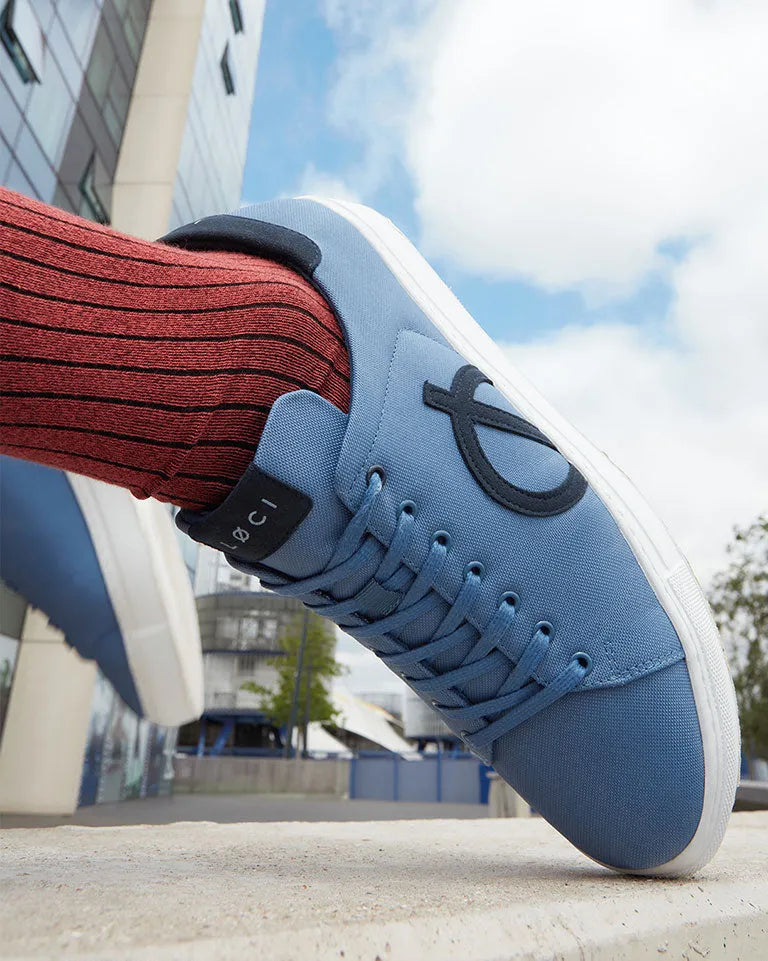


How to Identify Greenwashing and Find Truly Sustainable Trainers
Sustainable claims have become a fixture on the high street, with trainers featuring recycled tags or 'natural' labels. Yet behind the polished eco-friendly messaging, many of these designs still rely on synthetic blends and ambiguous sourcing. Navigating genuine low-impact fashion calls for more than clever marketing—so how can you spot true sustainability in your footwear choices?
Empower your fashion choices with these three essential checks: question botanical imagery and investigate eco claims, confirm materials by tracing the supply chain and authenticating certifications, and examine durability, repairability, and end-of-life impact before making a purchase. These steps help cut through misleading green claims, minimise waste, and ensure your trainers truly contribute to a lighter environmental footprint throughout their journey.
Rethinking Botanical Imagery and Green Claims in Fashion
When browsing product pages featuring botanical imagery or vague terms like natural, plant-based, eco, or green, seek out clear and accountable information, not just airy marketing claims. Question whether a botanical extract is a primary material or merely a trace element. Look for detailed breakdowns—percentages, specific fibre names, or confirmation of certified recycled content with a transparent chain of custody or certificate reference. Credible listings back up their claims with verifiable standards or downloadable technical sheets, rather than relying on empty taglines.
When evaluating end-of-life or biodegradability claims, look for details on the specific conditions required, such as industrial or home composting, or the need for specialised recycling streams. Check for transparent references to the relevant test methods or standards and seek independent verification wherever possible. Certificates or lab reports should specify whether the claim applies to the entire trainer or just certain materials. To assess supply chain credibility, prioritise named factories, raw material suppliers, or traceability maps over generic eco-themed imagery or green-coloured packaging. If you receive detailed sourcing information, processing methods, or certification IDs from customer support, consider these concrete responses more trustworthy than generalised claims.
Choose certified heavyweight cotton with transparent sourcing.

How to Ensure Ethical Materials and Supply Chain Transparency
Begin by reviewing product details and labels for precise fibre composition and the proportion of recycled content. Seek confirmation of any sustainability claims by requesting supporting certification or batch numbers. These can be verified using the certifier's website, ensuring that the certification covers aspects such as material content, chemical use, or ethical working conditions. For greater transparency, request information about where key components were made, such as the name of the factory or mill and the country of production. Cross-reference these details with published supplier lists and independent audit reports, and look for consistency in supplier information across various products rather than accepting changing answers. This approach helps empower more informed, ethical choices on the high street.
When evaluating trainers for lasting wear, look for thoughtful construction details: stitched soles, removable insoles and elements designed for repair often signal quality. Carefully review product photos and read user feedback to understand how items hold up in real life. Prioritise brands that are transparent about repairs and parts availability, and who clearly publish service policies. If product claims seem ambiguous, seek clarity by asking about the origin of materials, manufacturing locations, and any independent certifications. If information is vague or lacks specifics such as certificate numbers or percentages, treat it as incomplete and consider options that are more forthcoming.
Choose certified heavyweight tees for lasting, transparent quality

Why Durability, Repairability, and End-of-Life Matter When Choosing Trainers
Before making a choice, assess the construction of your trainers by flexing the forefoot, testing the heel counter for firmness and checking the join where upper meets sole for any weak points. Seek out visible stitching through the sole, double rows of stitches in high-stress areas and neat, secure glued seams, as these physical details give insight into how well the trainer will hold up over time and whether repairs are possible. Look for thoughtful repair-friendly features such as removable insoles, metal eyelets, exposed stitch lines and clearly defined sole units. Components designed for flexibility and ease of replacement mean a cobbler can more readily extend the life of your trainers—supporting a more sustainable approach to fashion.
Consider the full journey of your trainers by checking material labels and product information, prioritising those crafted from a handful of clearly identified materials or a single polymer construction that offers a straightforward route to recycling. Ask retailers for written repair policies, parts lists, and care and repair guides, and make sure that spare parts, resoling options, or a takeback scheme are truly available before relying on them. To look past glossy promises, request results from abrasion and flex tests, seek independent durability claims, and explore user reviews for patterns in common issues and expected lifespan. These tangible tests and consistent user experiences provide reliable evidence to help you compare trainers and select options built to last and be recycled.
Separate authentic low-impact trainers from clever marketing by applying three practical checks: examine green claims with care, confirm materials and supply chain transparency, and evaluate durability alongside end-of-life solutions. Look for tangible proof—certificate numbers, clear supplier information, material breakdowns, stitched construction, and available repair options all signal substance over spin.
Before making a purchase, examine how trainers are constructed, seek evidence of ethical credentials, and enquire about repair or recycling programmes. Informed decisions built on transparency, not marketing images, support lower-impact choices and reduce waste. By following these steps, you'll find trainers designed to stand the test of time and support a more circular approach to fashion.