

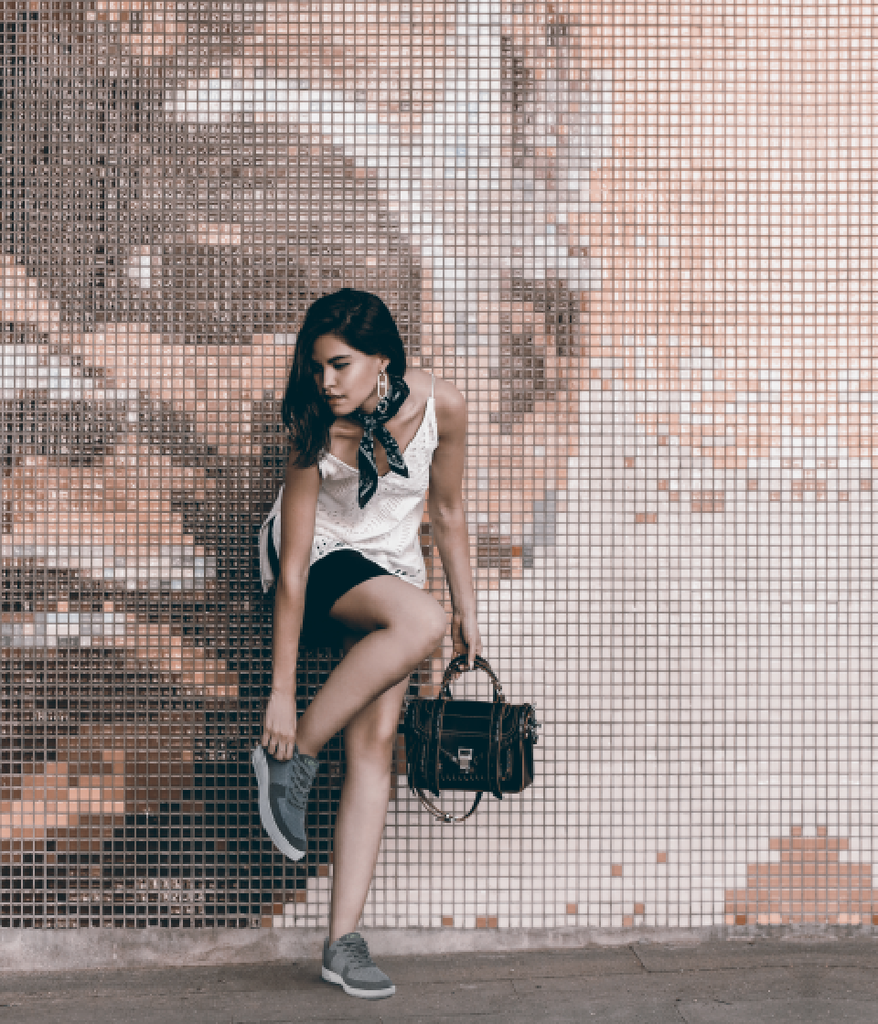
How to Pick Wardrobe Staples That Complement, Not Compete with Bold Trainers
Putting on statement trainers should feel empowering, never like an outfit emergency. Make them complement, not compete, by building the rest of your look around their colour, pattern and silhouette.
This guide will help you decode your personal style, define a complementary colour palette and mood, and select versatile wardrobe anchors that go beyond a single look. Learn to balance proportion, texture and scale, and to refine outfits with considered finishing touches, simple care and seamless day-to-night versatility.

Decode the colour, pattern and profile of your trainers
Begin by breaking a trainer down into dominant, secondary and accent colours. Photograph it in natural light and note whether each hue is warm or cool and how saturated it is; this will tell you whether to echo a shade, neutralise it, or introduce a deliberate contrast. For example, a saturated warm red reads louder against cool neutrals than against warm tans, changing the shoe's visual weight. Assess pattern scale and placement: small, repeated motifs behave like texture and pair well with patterned garments if they share a secondary colour, whereas large graphic panels become the visual focal point and work best with pared-back clothing. Try a quick practical test by holding a patterned scarf that shares one trainer colour next to a patterned top of a different scale to see whether the eye settles on one pattern or competes between them.
Assess a trainer’s profile and silhouette, then set trouser length and ankle coverage to match. Low-tops benefit from cropped or tapered legs that show the shoe’s shape, while high-tops pair well with slightly shorter or straighter trousers to preserve the trainer line. Chunky soles sit better with more relaxed trouser proportions to avoid a top-heavy look. Use a mirror and try three trouser lengths to pick the one that balances the shoe without hiding it. Choose one clear wardrobe strategy and limit competing statements. Anchor an outfit with neutrals such as jeans, a white shirt and a camel coat; or use tonal layering that echoes a secondary trainer colour across a jumper or accessory; or opt for a deliberate contrast by adding a single complementary accent. Keep no more than one other statement piece to prevent visual competition. Match fabric and finish to control how the trainer reads. Smooth, polished leathers sing next to crisp cottons and tailored wool, while matte or mesh uppers read quieter beside denim and soft knits. A quick clean restores colour and prevents scuffs from muting the intended effect.
Anchor the outfit with a vintage‑graphic tee.

Create a complementary colour palette and set the mood
Start by photographing the trainers and crop tightly to frame the shoe. Identify three colour roles — dominant, secondary and trim — then assign each to an anchor, an accent or a highlight. Choose a neutral base that shares the trainers' undertone: warm undertones pair with cream, camel or warm khaki; cool undertones pair with slate, navy or stone. Test those neutrals on large pieces such as trousers, coats or knitwear so the base absorbs visual weight rather than competes with the trainers. Limit the outfit palette to the three roles and follow a 60/30/10 visual ratio. Use changes in saturation and brightness to create a clear hierarchy so the trainers remain the focal point.
Define the mood by adjusting saturation, contrast and texture. High saturation and stark contrast read as sporty and energetic. Desaturated colours, matched tonal values and matt textures feel more refined. Run quick trials: lay out complete looks and photograph them from eye level to judge whether the trainers complement or compete. Note which combinations draw the eye. Iterate by changing one variable at a time, for example swap a mid tone for a neutral, alter a fabric finish or reduce a print. Use the photographs as evidence to decide which tweak restores balance.
Use a washed tee as a subdued tonal base.

Choose versatile wardrobe anchors that move with your lifestyle
Build outfits around neutral anchors, then pick out one trainer colour to echo in a small detail such as a tee, a bag or a hat, because repeating a tonal accent draws the eye and makes bold trainers feel intentional rather than clashing. Prioritise silhouette and hem length by choosing tapered or cropped trousers, ankle-skimming skirts or tailored shorts so the trainer shape reads clearly. Visible ankles and clean lines stop fabric from bunching and balance chunky soles without creating an oversized silhouette. Choose simple, quality fabrics and pared-back cuts; smooth cotton shirts, fine knit jumpers and structured outerwear provide a calm backdrop so texture or colour on the trainers can act as the outfit focal point.
Layer tonally by combining three shades from the same colour family for head-to-toe cohesion. Small shifts in shade create depth without clashing with a bold trainer. Be strategic with patterns and details: limit prints to a single area and avoid heavy embellishment near hems, as the eye is drawn to high-contrast zones. Choose accessories that echo your trainer colours to pull the look together and keep visual clarity around the feet.
How to make loud trainers feel intentional
- Echo a trainer colour in a small detail such as socks, a tee hem, a bag strap, hat trim, or piping, and repeat that accent twice in the outfit so it reads deliberate; choose neutral anchors that sit in the same tonal family as the accent, and favour smooth, structured fabrics so texture and colour on the trainers act as the focal point.
- Prioritise silhouette and hem length by choosing tapered or cropped trousers, ankle-skimming skirts, or tailored shorts so the trainer shape is visible; show a little ankle by cuffing or selecting cropped socks, keep hems clean to avoid bunching around chunky soles, and balance weighty trainers with a neat, structured top or a single relaxed layer.
- Layer tonally to soften contrast by combining three shades from the same colour family from top to bottom, which creates depth without competing with bold trainers; limit prints to one area, avoid heavy embellishment near hems, and use accessories that subtly reference the trainer colour to tie the look together while preserving clarity at the feet.
- Try these quick outfit formulas you can copy: weekend casual with tapered jeans, plain cotton tee, lightweight jacket, and an accented cap or socks; smart-casual office with cropped chinos, fine-gauge knit, tailored blazer, and a bag strap or belt that echoes the trainer hue; travel-ready with tapered joggers, merino or cotton tee, longline coat, and a cross-body in the trainer colour; evening relaxed with an ankle-skimming skirt or tailored shorts, fitted top or silk blouse, and a single accessory that picks up the trainer tone.

Balancing proportion, texture and scale in sustainable sneakers
Balance visual weight by pairing bulky trainers with narrower lower-leg silhouettes. Choose cropped, straight or tapered trousers that reveal the ankle, or opt for a slight break that sits just above the sole to reduce perceived bulk and create a cleaner line so the shoe does not overpower the outfit. Use contrasting textures to establish hierarchy: glossy or mesh trainers work best against matte wool, denim or suede so materials do not compete for attention. Reflective finishes catch light while matte fabrics absorb it, helping the eye settle on one surface at a time. Match pattern scale to the trainer profile: wear large, graphic shoes with solid colours or equally bold, large-scale prints, and reserve micro prints for sleeker, low-profile trainers so patterns remain legible and balanced.
Anchor bold trainers with structured staples to create purpose and proportion. A tailored coat, sharp blazer or shirt with defined shoulders draws a vertical line that counterbalances casual footwear. Create a colour dialogue without matching the shoe exactly by choosing one accent hue and repeating it subtly in a belt, bag trim or small accessory, while keeping the rest of the outfit in neutral or complementary tones. These small shifts link elements across an outfit and keep trainers the focal point rather than letting clothing compete.
Anchor bold trainers with a streamlined tracksuit for balance.

Simple care and bold styling to take trainers from day to night
Anchor your look with a neutral such as navy, charcoal or camel, and build around it with simple shapes and minimal patterns so the trainers read as an intentional focal point rather than a clash. Control proportion by hemming trousers to skim the shoe or reveal a narrow sliver of ankle, and avoid heavy bunching that hides the trainer silhouette. For fuller-leg trousers, keep hems neat and tailored; for slimmer cuts, a slight crop helps preserve the balance between garment and shoe.
Introduce texture contrast by pairing athletic materials with structured fabrics, such as a tailored wool jacket, a crisp cotton shirt or heavy denim. Echo a trainer detail with a small accessory in a vegan material, for example a belt in a plant-based finish or a canvas bag. Keep the look sharp by ensuring trainers are clean, swapping laces to match the outfit colour, and using shoe trees or careful stuffing to preserve shape between wears. To move from day to night, swap a tee for a tucked shirt, add a single structured layer such as a blazer or tailored coat, and choose no-show or thin dress liners so the trainers remain a deliberate, cohesive style note.
Make bold trainers the focal point of an outfit rather than a competing element. Photograph them in natural light to decode their dominant, secondary and accent colours, then pair them with neutral anchors, tonal echoes or a single contrasting accent to guide the eye.
Start by decoding colour and establishing a complementary palette. Opt for tapered or cropped anchors to balance proportion, then refine the finishing touches. Each step reduces visual noise and strengthens cohesion. Try simple experiments: test three trouser lengths, echo one trainer colour in a small accessory, and pick a single neutral anchor. These small tweaks make bold trainers feel intentional and wearable from day to night.


