
How to Turn Sustainable Materials and Ethical Methods into Stories Customers Trust
Analytics and customer feedback indicate product pages that list fibres, polymer codes, and technical processes see reduced engagement. How can teams turn materials and methods into clear, everyday stories that build trust and explain choices?
This post sets out practical, actionable steps to increase transparency: trace product origins and environmental impacts, humanise production through maker stories and craft details, and translate technical data into clear narratives and visuals. It explains how to verify sustainability claims with traceable evidence, and how to weave those narratives across customer touchpoints so readers can assess authenticity for themselves.

Show transparency in materials, sourcing, and design decisions
Publish an annotated, side-by-side comparison that lays out durability, recyclability, weight, and care needs for common footwear categories, such as sneakers, trainers, and high tops. Attach sample test summaries and independent third-party reports to allow inspection of the evidence behind each claim. Map the decision process by listing the selection criteria, the tests performed, and the trade-offs considered. Include raw protocols and laboratory summaries, enabling reproduction of methods and validation of results. Link quantified outcomes, for example measured failure modes and lifecycle performance metrics, directly to the comparison, so differences become tangible rather than abstract. Provide clear references to the supporting data sets and reports to enable further scrutiny.
Tell a single-product story from source to finish. Use sequential photos with concise captions to document raw materials, each production step, quality checks, and measured outcomes, tracing the product’s journey. Complement that narrative with a concise FAQ that pairs common concerns with evidence-based answers, clear care and repair instructions, and explicit end-of-life options to help readers make informed decisions. Be transparent about uncertainty: publish testing methodology, typical variability and margins of error, and invite independent verification and customer feedback to strengthen credibility.
Choose a certified, durable crew for everyday wear.

How to Trace Your Materials' Origins and Environmental Impact
Map every step from raw material to finished product, and publish the documents that prove each link, such as supplier declarations, batch numbers, certificates, and shipment records, so customers can follow provenance. Provide a single GPS coordinate or region name to reveal sourcing signals like water stress, land-use change, and common labour risks, and convert technical metrics such as embodied carbon, water use, and recyclability into everyday equivalents and simple icons, for example the approximate number of household kettles boiled, journeys in a small car, or typical clothing-care routines. Cross-check impacts using at least two independent evidence streams, for example a life cycle assessment to quantify overall footprint, supplier audits or third-party verification to confirm practices, and satellite or public land-use data to identify sourcing risks, and explain how each method addresses different uncertainties.
Be explicit about gaps, assumptions, and trade-offs, and sum each area in a single, plain sentence that states what you measured, what you estimated, and what remains unknown. Use templates so this becomes standard practice rather than ad hoc. Example one-line summary: "Measured: recycled upper content 60%; Estimated: supplier grid 40% renewables; Unknown: last-mile transport emissions." Give concrete steps the business will take to reduce uncertainty or harm, with specific examples readers can weigh. For example: choose a recycled sole that cuts virgin extraction but adds 150 extra road kilometres; reduce the transport trade-off by consolidating shipments, switching consolidation to sea freight where feasible, or sourcing the same recycled material from a nearer supplier. If a material raises new impacts, state the mitigation you will pursue and a timeline for verification, such as supplier audits, third-party testing, or pilot runs with alternative inputs. Turn provenance into a one-line story on product pages and labels, and link to the evidence. Example one-line provenance: "Made from 60% recycled nylon, fabricated in a solar-powered factory in Porto, final assembly in the UK; designed to be disassembled and recycled." Add a QR code that opens a downloadable dossier with supplier declarations, test reports, and transport logs. Add a short, practical note on end-of-life options — for example, take-back, component recycling, or repair guidance — and state any limitations clearly. Use clear microcopy throughout: headings like "What we measured," "What we estimated," and "What we do next" guide readers through the evidence without technical jargon. Present the evidence so customers can follow the trail from raw material to finished product without specialist knowledge. Use concise one-line summaries, linked source documents, and plain-language microcopy to enable independent judgement, and publish a clear plan for how you will close gaps and verify improvements over time.
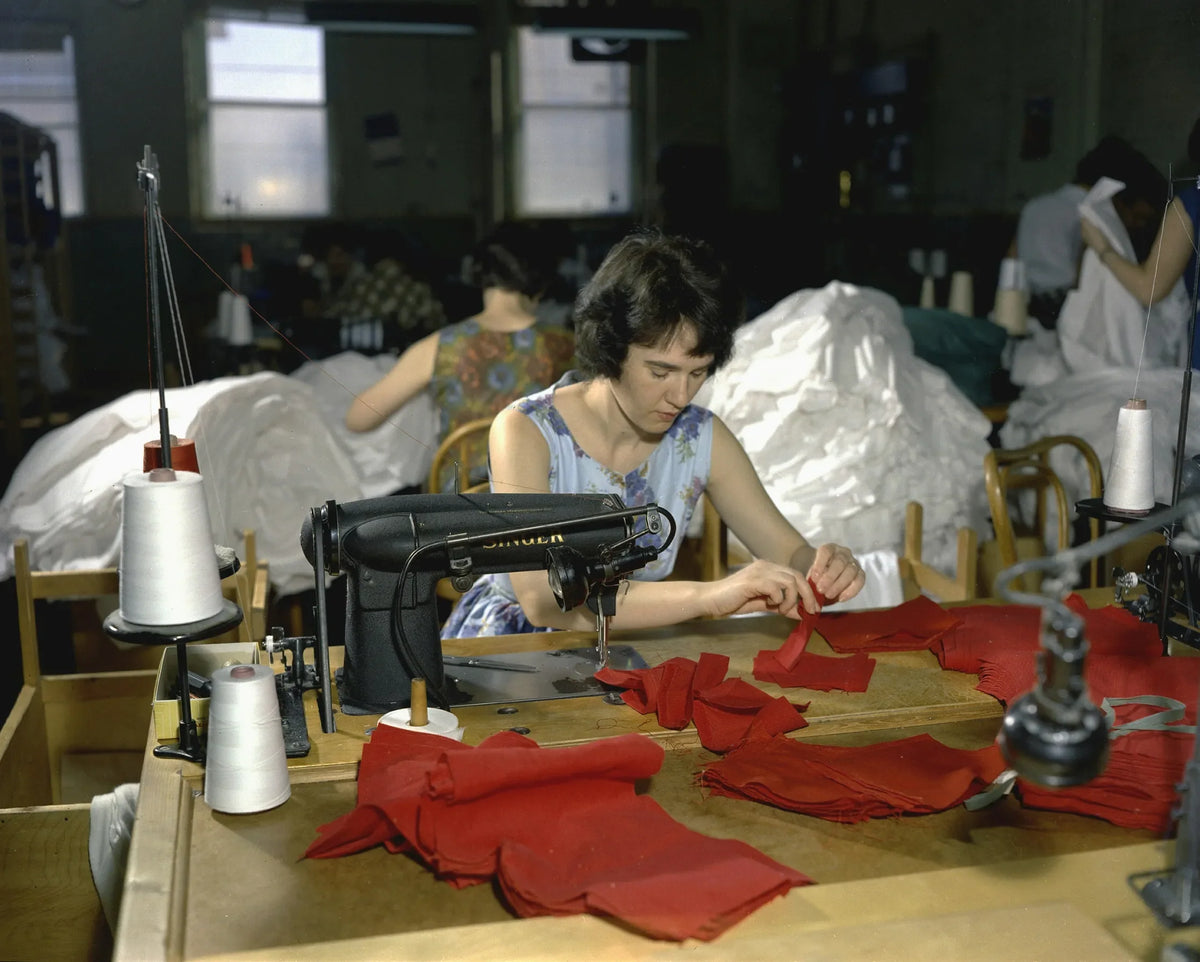
Choose an ethically made tee with clear provenance.

How to humanise production through maker stories and craft detail
Humanise production with short, first-person maker micro-profiles that emphasise each person’s role, decisions, and craft. Include a single-sentence quote that reveals a trade-off, for example: 'I chose this fabric because it breathes while holding shape.' Break methods into three to five plain-language stages, and pair each stage with a photo or caption that shows visible change. Replace jargon with simple analogies, for example describing lamination as gluing thin layers to make a stronger board. Together, these elements let readers trace a decision from action to outcome, and assess process credibility through images and the maker’s voice rather than through marketing claims.
Name each material's provenance, list the properties that matter, and publish short supplier notes or concise test summaries that link a material property to a clear customer benefit. For example, note that a particular fibre resists moisture, so the trainer keeps its colour and shape. Translate quality control into plain customer language: list the key tests, state what passed or failed, and add one-line mappings that convert technical results into everyday meaning, for example changing "tensile test passed" to "this seam held under repeated use". Whenever possible, accompany test summaries with a short clip or photo of the test. Highlight craft detail and sensory cues customers can check themselves, describing tactile, visual, and audible indicators, for example a slight gloss that signals a protective finish, or a cool, solid weight that indicates dense material. Combined, maker quotes, plain stage snapshots, provenance notes, test evidence, and sensory images create a verifiable story customers can inspect to decide whether the product suits their everyday needs.
Practical assets to humanise production and surface craft detail
- Maker micro-profile template: a short first-person lead (role, location), a one-line key decision, three to five plain-language stages each paired with a photo caption that shows a visible change (for example: cut, assemble, finish), and a single-sentence trade-off quote that reveals a choice, such as "I chose this weave because it balances softness with durability." Use prompts for each stage: what I did, why I did it, what changed in the image.
- Material provenance and supplier-note checklist: name the source and batch or grade, list the three material properties that mattered and why (for example: moisture resistance → keeps colour and shape), publish a one-line supplier note, and add a simple test summary that links method to customer benefit (method, result, what it means for use). Include a close-up photo or texture shot to show the material.
- Customer-facing QC and sensory-inspection guide: translate lab tests into plain pass/fail statements with a one-line benefit mapping (for example: tensile passed → this seam held under repeated use), list three to five quick sensory checks customers can repeat at home (gloss, weight, snap, drape, odour), and provide a prompt for a short clip or photo to illustrate each test.
- Publication and comparison workflow: require consistent fields for every product page: maker name and role, micro-profile, provenance checklist, QC summary with raw test images or clips, and batch ID, allowing direct, side-by-side comparison of process claims. Add an editorial checklist to ensure photos show the claimed change, captions describe the visible outcome, and supplier notes link a material property directly to a user-facing benefit.

Transform technical details into everyday stories and compelling visuals
Turn technical methods into a concise narrative, then back that narrative with process-focused visuals and testable hypotheses. 1) Three-line story format - Structure each method as three lines: Situation, Action, Outcome. - Keep each line short, concrete, and observable, enabling a quick grasp at a glance. Example (original sentence and rewritten story) Original sentence: Centrifuge the sample at 10,000 g for 10 minutes, then transfer the supernatant to a fresh tube. Rewritten three-line story: Situation: The sample contains solid particles suspended in liquid. Action: Spin the tube so solids collect at the bottom. Outcome: You can pour off the clear liquid without the sediment. Include the original sentence alongside the story to allow direct comparison of phrasing, and to show how the technical step maps to plain observation. 2) Map a lab step to a household activity - Choose a familiar analogue to illustrate the technique. Keep it simple and relatable. Household mapping example Original lab step: Pipette 200 microlitres of reagent into a well, mix gently for 10 seconds, then let the plate sit for 5 minutes. Household story: Situation: You add dressing to a salad bowl. Action: Stir gently for 10 seconds to distribute the dressing. Outcome: After a short rest, the dressing coats the leaves evenly. 3) Design visuals that reveal process, not just results - Show sequence, not only endpoints. Use a numbered flow of images or cutaway diagrams that follow the same three-line story structure. - Include annotated close-ups with scale bars to give a sense of size and proportion. - Use simple icons for stages to guide quick scanning, and keep captions tight, each pointing to the single detail you want readers to notice. - Offer high-resolution downloads and clear alt text for every visual to improve accessibility and reuse. 4) Validate with A/B testing - Run an A/B test on two pages: one with step-by-step, process-first visuals, and one with result-focused visuals. - Compare metrics such as time on page, scroll depth, and download rate for the high-resolution assets. - Use the results to refine which visual cues help readers follow the method and reproduce the outcome. Keep language active, examples concrete, and visuals instructive. Present the original technical text next to the three-line story to support direct comparison and learning.
Apply the same plain-language approach to materials lists. Turn the materials list into a two-column glossary that maps each reagent or component to: a plain-language function, an everyday analogy, common synonyms, and a brief note on provenance or sustainability where relevant. Keep terminology consistent across product pages to support clear, repeatable copy. Present testing and quality data as concise, reproducible evidence. For each test, pair a one-line method summary with a clear metric, a plain conclusion customers can verify, and links to raw protocol files or data tables. Use simple visuals such as before and after images, pass/fail icons, or percentage retention charts to make results instantly scannable. Build trust with anonymised micro-case studies. Each case should state the user context, the measurable result, and how the product performed against expectations. Keep each case short, data-led, and verifiable. Answer the top three technical questions with evidence-based responses. Cite the supporting data, reference the related protocols, and include a one-sentence takeaway for non-technical readers. Finish each page with three elements: a focused FAQ that addresses common practical concerns, a transparent limitations section that states what the data does not show, and a clear signpost explaining how customers or partners can request deeper documentation or raw data. Tone and format notes: - Use active verbs, plain language, and concise sentences. Assume the reader is smart but not specialised. - Prioritise reproducibility: attach or link to raw protocols, data tables, and any code or methods needed to replicate results. - Prefer visual summaries and one-line conclusions to enable rapid verification of claims. - Maintain consistent terminology and provenance notes to support sustainability claims and product transparency. These elements ensure consistency, clarity, and credibility across product and informational pages, while making technical evidence accessible to a broad audience.
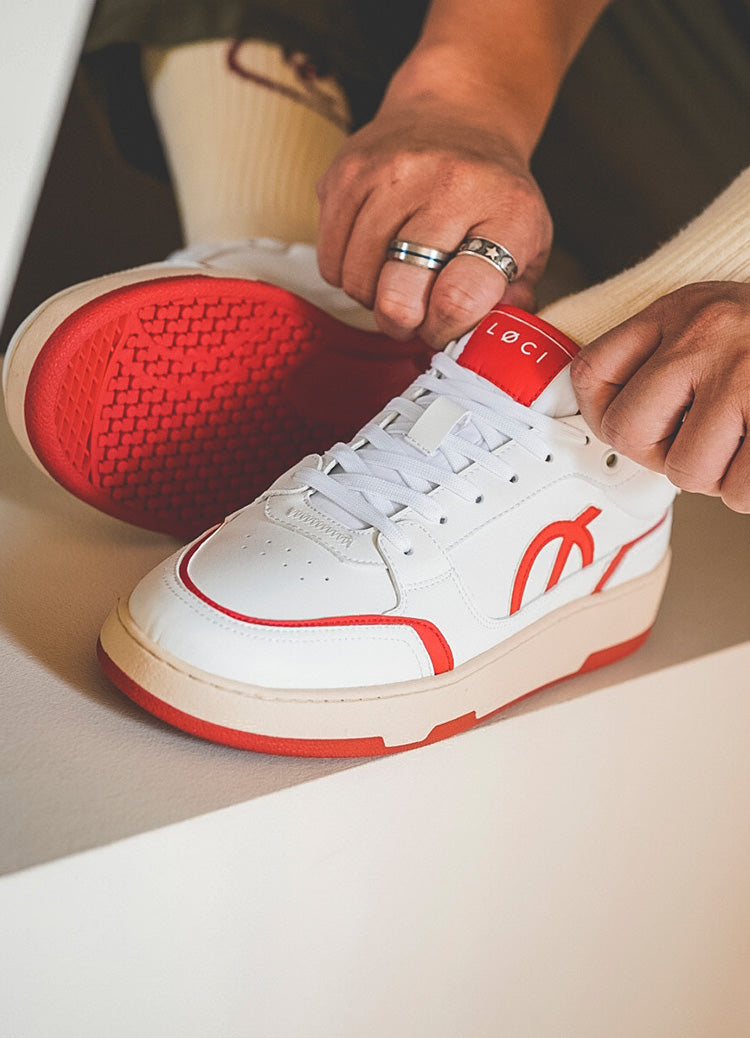
Step confidently with sustainable, precise cushioning.

Back claims with evidence, weave compelling stories across touchpoints
Distil complex methods into a short, plain-language summary and a concise visual that maps the key steps. Include core metrics, such as sample size, measurement type, and observed percentage improvements. Publish raw data excerpts or clear summaries with links to third-party validation so informed readers can assess reproducibility. Annotate testing protocols, and provide before-and-after visuals or short clips to let readers inspect the evidence directly.
Map the customer journey and choose three core claims to repeat at every touchpoint. Craft concise micro-narratives for the website, packaging, social copy, and customer service scripts so tone and evidence align across high street, digital, and in-person experiences. Translate technical cause and effect into relatable scenarios and short user quotes that give context and measurable results, and pair them with simple diagrams or reproducible mini-tests customers can try at home or in store. Provide a one-page evidence card with a QR link to the full report, and present ranges or confidence statements rather than absolute promises so customers can draw their own conclusions. This approach makes verification straightforward, builds consistent expectations, and shows both the method and the limits of each claim.
Turn technical fibres, polymer codes, and lab protocols into clear, inspectable stories that record decisions, provenance, craft, and evidence. Annotated comparisons, provenance maps, maker micro-profiles, concise three-line method summaries, simple icons, and downloadable test summaries let readers map materials' origins and processing steps through to the finished trainer, and assess trade-offs with tangible proof.
To help teams act on the above guidance, use headings as a practical checklist. Be transparent: trace material origins and quantify environmental and social impact. Humanise production by naming places, roles, and steps, and turn technical details into clear, everyday visuals. Verify claims by attaching at least one reproducible piece of evidence to every claim across product pages, packaging, and service communications. Start by publishing an annotated comparison and an evidence card, run a simple A/B test on visuals, and invite independent verification, enabling others to inspect the method, weigh the trade-offs, and make their own assessment of suitability.