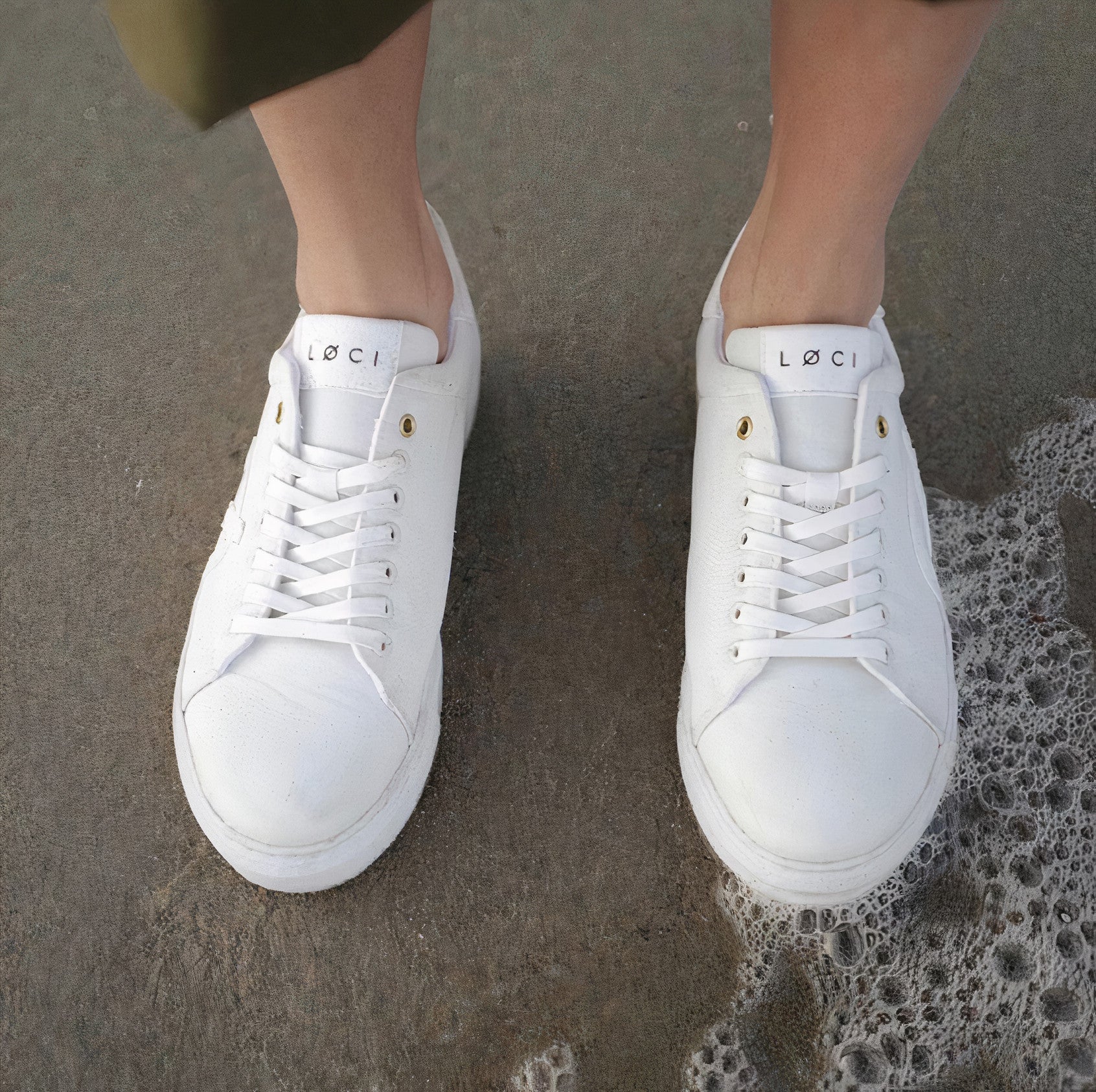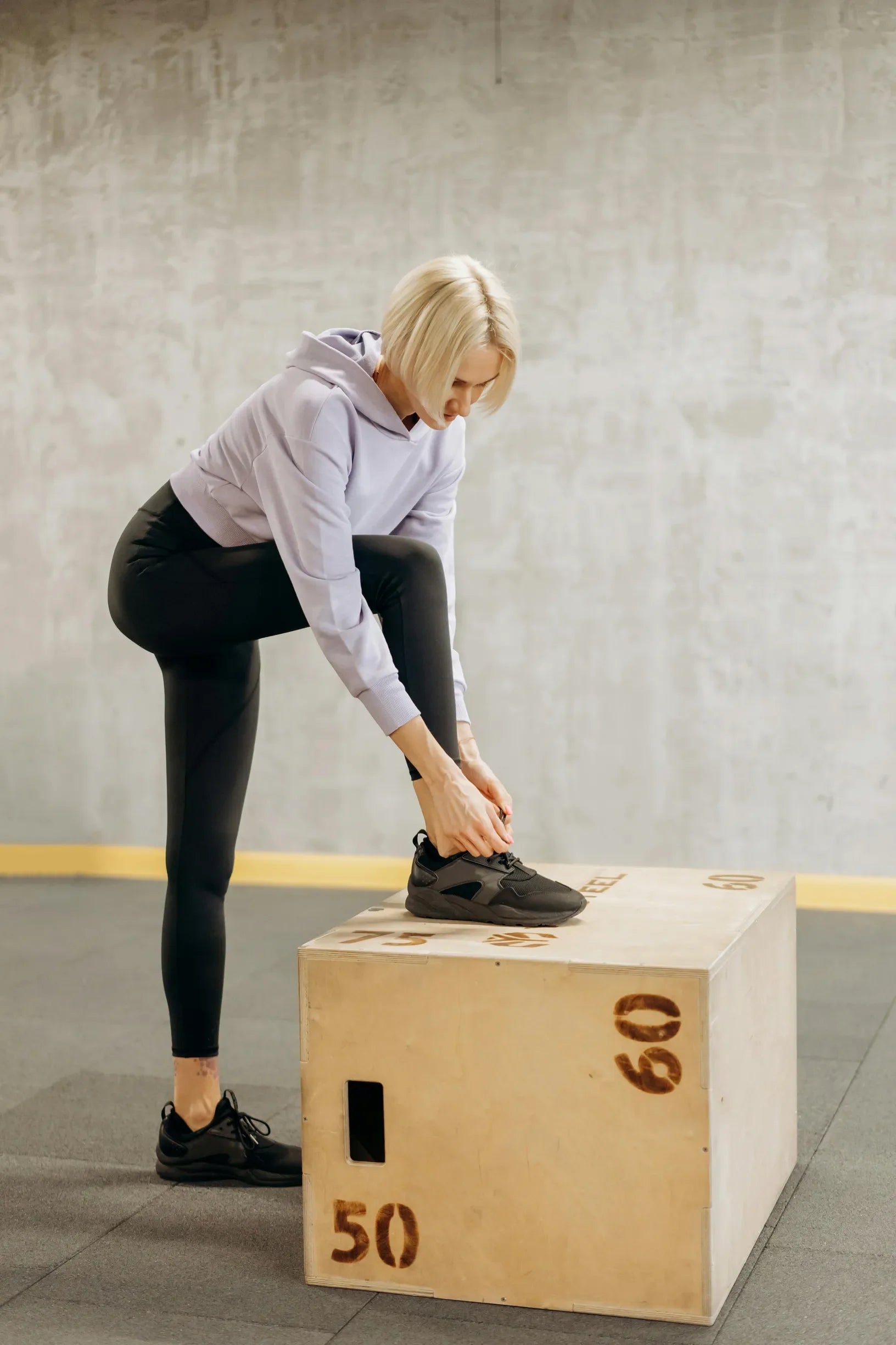


Purpose-Built Vegan Trainers for Comfortable, Long-Lasting Everyday Wear
Finding vegan trainers that combine everyday comfort, long-term durability, and ethical production still often requires compromise. Many eco-conscious brands prioritise sustainable uppers over fit and construction, producing shoes that lack breathability, provide inadequate support, or use thin soles that wear out quickly. Those flaws commonly cause blisters, collapsing cushioning, and premature failure.
This guide shows how to choose trainers that balance ethics and performance: prioritise breathable, durable materials, achieve a precise fit, and care for and style your trainers for versatile looks and lasting wear. Inside are practical pre-purchase checks, step-by-step care tips, and styling pointers designed to reduce sweating and hotspots, prevent premature sole failure, and keep your trainers comfortable and wearable for the long term.

Why choose vegan trainers: ethics, performance, and what to look for
Look for uppers made from microfibre, woven plant fibres, cork, canvas, or recycled synthetics, paired with durable rubber outsoles and reinforced stitching or a stitched-sole construction to improve longevity and repairability. When trying trainers, wear the liners or footwear you plan to pair them with and walk for several minutes to check heel slip, toe space, and the stability of the heel cup. Prefer a removable insole if you need custom orthotics. Choose midsoles with resilient cushioning that recover their shape after compression, because good arch support reduces midfoot fatigue, and a roomy toe box helps prevent blisters. Finally, quality eyelets and a robust lacing system cut early failure and extend the life of the trainer.
Extend the life of your sneakers, trainers, or high tops by spot-washing with a gentle detergent, air-drying away from direct heat, rotating between two pairs, replacing crushed insoles, and treating uppers with a vegan waterproofing product. Tackle simple repairs yourself: restitch loose seams and re-glue small sole lifts with a vegan adhesive, and monitor tread and sole condition so you can spot wear early. To verify durability and ethical claims, consult independent wear tests, durability ratings, and detailed customer reports on tread wear and sole separation. Check product pages for a full material breakdown and any available abrasion or laboratory test results so you can corroborate manufacturer statements. When weighing ethics and sustainability, favour third-party certifications, transparent material-origin statements, and clear supply-chain details, while recognising trade-offs such as highly durable synthetics that extend lifespan but reduce biodegradability. Judge options on total lifecycle, repairability, and performance.
Test trainers while wearing comfortable, durable joggers.

Choose trainers built with breathable, durable materials and robust construction
When inspecting sneakers, follow these checks. Start with the upper. Look for engineered mesh panels, deliberate perforations, or woven constructions, and run your hand inside for a moisture-wicking lining — this combination improves airflow and manages sweat. Prefer microfibre or synthetic leather that resists water absorption, and choose insoles with perforations or channels to aid evaporation and reduce internal humidity. Assess the construction. Even, reinforced stitching at stress points signals durability. Squeeze the heel cup: a firm, moulded cup should resist collapse. A gusseted tongue keeps out grit, and mechanical joins or stitched welts tolerate repeated flexing better than sole-only adhesives. Test the midsole and outsole. Press the midsole with your thumb to judge rebound, and bend the forefoot to confirm the sole recovers without creasing. Finally, inspect the outsole for denser rubber or TPU in high-wear zones and a tread pattern that disperses wear across the sole.
Prioritise trainers with moulded, removable insoles and built-in arch support so you can fit replacements or orthotics, while a stable heel counter preserves alignment as cushioning compresses. Do three quick in-hand checks: flex the forefoot, lift the insole to check glue lines, and squeeze the heel to spot early delamination or collapse. Rotate between pairs, and dry them naturally after wet use to reduce cumulative material fatigue. Small, regular inspections reveal weak points before failure, helping you maintain comfort and extend the usable life of vegan trainers.
Slip into breathable loungewear for comfortable post activity recovery.

How to fit your trainers for all-day comfort
Measure both feet while standing. Trace each foot onto paper while wearing the liner or insole you plan to use with the trainers, and use the larger length and width when selecting a size to capture the load-bearing shape your foot adopts during activity. Check toe box room by leaving about a thumb's width between your longest toe and the front of the trainer. Press across the forefoot to ensure the upper flexes at the metatarsals so the toes can splay, because restricted toe space increases pressure points and blister risk. Walk a few brisk steps to confirm heel and midfoot security; the heel should stay snug without pinching, and the lacing should lock the midfoot to prevent hotspots and instability.
Bend the trainer to check the flex point lines up with where your toes bend. Press the insole to compare how the arch contacts your foot, since misaligned support can cause discomfort over time. Choose trainers with removable insoles if you need custom orthotics or extra cushioning. Bear in mind many vegan uppers differ from leather, so favour lined uppers, breathable mesh, padded collars, and cushioned footbeds to reduce break-in stiffness. If a pair feels stiff, break them in gradually or try gentle stretching, and check the retailer’s return and exchange policy so you can test them in your usual environment.
Perfect-fit checklist for all-day comfort
- Measure both feet while standing, trace each foot on paper wearing the socks you plan to wear, and base your size on the larger length and width; leave about a thumb's width from your longest toe to the front to allow natural toe splay.
- Press across the forefoot to confirm the upper flexes at the metatarsals, bend the trainer to check the flex point aligns with where your toes bend, and press the insole to compare arch contact with your foot.
- Walk and take a few brisk steps to confirm heel and midfoot security: the heel should stay snug without pinching, and use lacing to lock the midfoot to prevent hotspots and instability.
- Choose trainers with removable insoles if you need custom orthotics, favour lined uppers, breathable mesh, padded collars, and cushioned sockliners for vegan or stiff materials, and consider gentle stretching or gradual wear to reduce break-in stiffness.
- If fit issues persist, swap or add insoles, test shoes in your typical conditions, and keep retailer return and exchange options available so you can replace pairs that do not perform comfortably.

How to Care for Trainers and Extend Their Lifespan
Start by identifying the trainer material, then clean accordingly. Wipe faux leather or microfibre with a soft cloth and mild soap. Use a soft brush to lift dirt from textured fabric, and rinse residue away rather than soaking. Remove oils and grit promptly: surface grit abrades uppers and accelerates wear, while oil breaks down finishes and dulls colour, which are common causes of premature wear. After cleaning, dry and reshape trainers: remove insoles and laces, stuff them with absorbent paper or insert breathable shoe trees, and air-dry out of direct sunlight and away from heat to protect adhesives and midsoles.
Rotate your trainers and match each pair to the activity: keep at least one spare for everyday wear, and reserve a dedicated pair for running or gym sessions so cushioning can recover. After cleaning, apply a breathable, water-repellent spray and a suitable synthetic conditioner, reapplying after heavy soiling. Touch up scuffs with compatible textile or synthetic paints to repel moisture and reduce staining. Check tread depth, midsole firmness, glued seams, and eyelets regularly, and replace insoles to restore support and hygiene. At the first sign of sole separation or seam damage, arrange resoling or repairs; early intervention usually prevents further wear and extends a trainer's usable life.
Slip into breathable joggers for post-cleaning comfort.

How to style vegan trainers for versatile looks and ethical impact
When styling trainers, consider their construction and fit, because those factors influence how they look, feel, and wear over time. Assess a trainer's construction with a few simple checks. Press the heel counter to confirm it holds its shape and will lock your heel in place. Bend the forefoot at the natural flex point, and inspect the sole joint for visible stitching rather than glue, since stitching usually indicates a more durable bond. Look for a breathable upper, a defined heel counter, and a reinforced toe, which together provide structure and protection. Try them on with the same foot coverings you normally wear. Allow about a thumb's width of space at the toe, then walk on a hard surface to observe heel slip and to judge arch support and lateral stability. Remove the insole to see whether the trainer accepts orthotics or replacement insoles, and test any inserts you plan to use to confirm they fit without compromising comfort or fit.
Choose a clean, low-profile silhouette in neutral, adaptable colours so trainers pair easily with tailored trousers, chinos, denim, and skirts. Adjust formality with your choice of hosiery, a crisp trouser hem, or a smart outer layer. Match cleaning and care to each material: use gentle detergent and air drying for knit uppers, a soft brush and pH-neutral cleaner for canvas, and specialist conditioners for plant-based leathers. Extend a pair's life by rotating trainers, drying them naturally while stuffed with absorbent paper, and replacing insoles once they show wear. When assessing sustainability, read material breakdowns and repair policies, favour shoes with replaceable soles or detachable insoles, and note that vegan labelling only guarantees no animal products, not a lower environmental impact on its own.
Comfortable, long-lasting vegan trainers pair ethically sourced uppers with breathable linings and robust construction to deliver reliable everyday performance. Look for microfibre or tightly woven uppers, resilient midsoles with good rebound, removable insoles, reinforced joins at stress points, and durable outsoles with pronounced tread. In person, walk for several minutes to check heel slip, forefoot room, and any pressure points, and bend the shoe at the natural flex point to confirm the sole moves with your gait. Inspect durability signals such as tight, even stitching, bonded seams at the toe and heel, a rigid heel counter, and minimal midfoot creasing; when available, compare these observations with published material specifications or lab test results to verify claims.
Check materials, fit, maintenance, and styling to spot weak points, manage wear, and choose trainers you will actually wear. Carrying out simple checks and routine care, such as measuring both feet, rotating pairs, and repairing damage early, preserves comfort, extends usable life, and increases the ethical benefit of choosing vegan trainers.