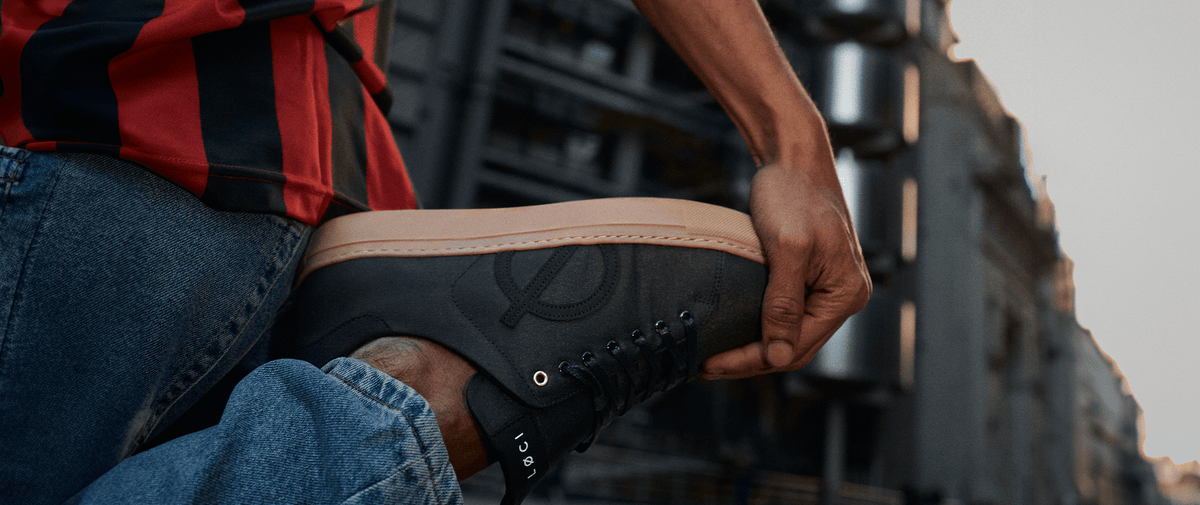

Article: Top 5 Trousers, Skirts and Dresses to Pair with White Trainers
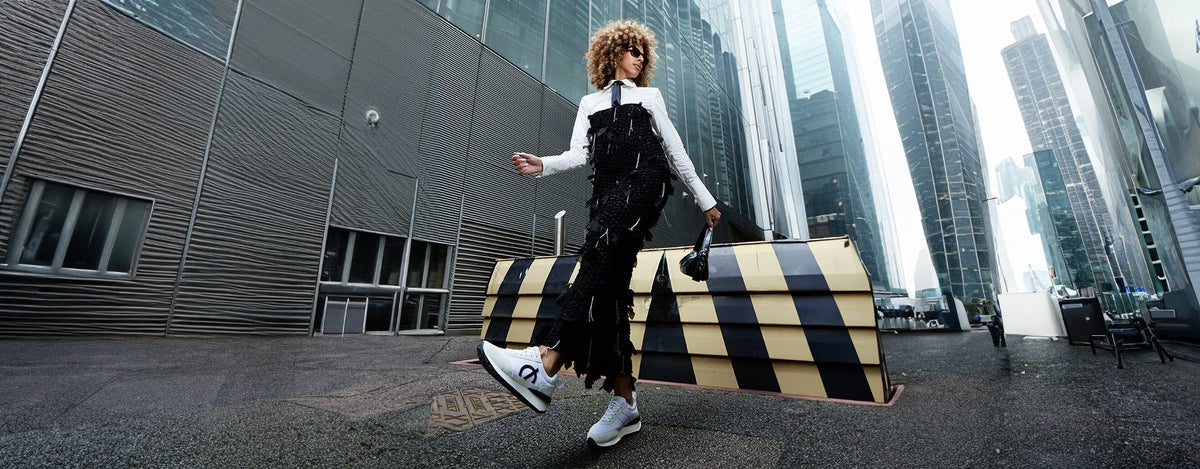
Top 5 Trousers, Skirts and Dresses to Pair with White Trainers
White trainers are everywhere. Styling them to look smart with trousers, skirts, or dresses can be surprisingly tricky. Which cuts, hems, and layers help trainers read as deliberate, not casual?
To help answer those questions, master practical rules and visual cues for harnessing trainers' versatility, from cuffing and cropping trousers to selecting skirt hemlines and balancing dress layers. Leave with clear ankle styling techniques, lining choices, and colour coordination strategies that make white trainers look intentional rather than accidental.

1. Harness the versatility of white trainers for everyday style
Prevent chunky white trainers from overwhelming an outfit by balancing their bulk with slimmer silhouettes. Pair them with narrower bottoms such as tapered cigarette trousers, slim jeans, or a pencil skirt, and cuff or tuck trousers to reveal the ankle—this reduces visual weight at the hem and helps lengthen the leg. Treat the trainers as a neutral anchor: build looks in complementary tones, a monochrome palette, or around a single accent colour, and echo the white in a belt, bag trim, or shirt detail to create cohesion. Choose polished fabrics such as wool-blend trousers, structured cotton, or silk and satin skirts to offset the casualness of trainers and register a smarter finish.
Also, mind proportions and hem length. Cropped trousers that sit at the ankle, midi skirts that finish mid-calf, and dresses with a clear hemline all shift how formal an outfit reads and help balance trainers, sneakers, or high tops. Revealing a sliver of ankle or keeping a tidy ankle line creates a visual break that lengthens the leg and makes the outfit feel intentional. Add tailored layers, such as a blazer or a structured coat, pair with a structured belt, or opt for a simple crossbody; each choice elevates the look while keeping trainers central. Small tailoring moves, like a tucked shirt or a crisp seam, raise the level of formality without replacing the trainers.

2. Cuff and crop trousers to flatter your trainers
Aim for the hem to sit just above the trainer collar, leaving about 1 to 2 cm of ankle visible. Check while standing and walking to ensure the crop does not gape or catch on the trainer. Use a neat, narrow cuff or a stitched turn-up of around 3 cm to avoid a bulky horizontal break at the ankle; a slim cuff preserves a smart silhouette, while a wider roll reads deliberately casual. Choose midweight, structured fabrics such as cotton twill or lightweight wool blends, and keep hems pressed and tidy, since structure holds the crop shape and signals smart-casual rather than athleisure.
Equally, match your trouser silhouette to your trainers. Tapered or straight crops pair best with sleeker trainers, while wider cropped legs balance chunkier soles so the foot does not look overwhelmed. Control the visual line with colour and liners: keeping trouser and liner tones similar creates an uninterrupted vertical line, giving a taller overall profile, whereas contrast turns the trainer into the focal point. Choose low-cut or no-show liners for a cleaner finish, and reserve patterned liners for a deliberately relaxed touch.

3. Choose skirts that flatter your proportions: hemline, cut, and fabric
Prioritise a hemline that reveals a little ankle or the top of the trainer. A skirt that ends at or just above the ankle creates a clean visual gap, preventing trainers from looking truncated. Knee-length skirts keep proportions classic and smart. Match the silhouette to your proportions. Pencil skirts echo tailoring and create a streamlined vertical line. A-line and flared shapes balance broader shoulders, and straight or column cuts maintain a minimalist line when paired with sleeker trainers. Choose fabric to set the polish. Structured suiting cloth, coated finishes, and soft leathers signal formality, while fluid silks and lightweight cottons temper trainers into a relaxed feel.
Also, use proportion tricks to balance casual footwear. If the skirt is short, pair it with a longer or tailored top to avoid a party silhouette. If the skirt is long and full, tuck or belt the top to keep the outfit intentional. Pay attention to functional details that influence movement and perception: split hems and asymmetric cuts reveal trainers in motion, pleats add texture and soften sportiness, and clean seams with minimal hardware maintain a smart, cohesive finish. Choose heavier fabrics when you want structure and refinement. Combine these elements deliberately so white trainers look like a considered part of a smart-casual outfit, not an afterthought.

4. Balance dresses and layers to create a polished trainers look
Anchor a floaty dress with a tailored outer layer, like a single-breasted blazer, cropped jacket, or structured coat, to add clean lines and sharp shoulders that balance the casualness of white trainers. Pay attention to proportions and hem length: pair ankle-revealing trainers with skirts or dresses that finish just above or just below the calf, or try cropped layers that stop at the hip so the eye moves smoothly from garment to shoe. These small adjustments make the overall silhouette feel deliberate rather than accidental.
Additionally, use fabric contrast to elevate an outfit: pair the sporty texture of trainers with silk, satin, linen, or wool to signal a considered approach to dressing. For example, a satin slip dress under a boxy jacket balances softness with structure and looks more refined than an all-cotton combination. Define the waist or create a vertical line by adding a belt to a shirt dress, layering a fitted waistcoat over a floaty dress, or knotting a jumper at the waist to prevent shapeless silhouettes. Keep the colour palette restrained, match a small accessory to the trainer trim, and keep trainers clean and well kept so the ensemble reads intentional and smart casual.

5. Refine ankle styling, liner choice, and colour coordination
Keep cropped trousers, skirts, and dresses stopping just above the top of the trainer, leaving a deliberate 1 to 2 cm of ankle visible. That clean break visually elongates the silhouette. Achieve it by shortening hems, rolling once, or choosing cropped silhouettes, and balance the look with a tapered or straight leg to avoid bulk. Choose your liner approach deliberately: invisible no-show liners preserve the bare-ankle finish, while thin ankle liners in a neutral or matched colour create a continuous line from leg to shoe. Prefer breathable fabrics to minimise discolouration and slippage. Refine hems and underlayers by pressing creases, adding a lightweight slip under skirts and dresses, and opting for narrow cuffs or slight tapering at the ankle. These small details contrast the trainers' base and help prevent fabric catching on the soles.
Alongside those details, echo small colour accents across your outfit, for example on a lining trim, belt, handbag hardware, or a subtle print, to tie the trainers to the rest of the look without making them the focal point. Protect trainers with washable liners, detachable insoles, and a slim heel pad to reduce sweat marks and heel rubbing, keeping the ankle area tidy. Keep a short cleaning routine: wipe scuffs after wear, use a gentle cleaner on the upper and a soft brush on the soles, and store trainers in breathable bags to prevent discolouration and odour build-up. These small styling and maintenance steps keep lines clean, reduce odour, and tie the trainers into a smart-casual look, so they appear deliberate and polished.
In summary, white shoes look smart when you control proportions, fabric, and ankle styling. Pair cropped hems with tapered silhouettes and structured layers to create a deliberate, tailored profile. Echo a small touch of colour in a stitch, lace, or top to give cohesion without overpowering the outfit, and keep the shoes clean and well maintained; cleanliness preserves a minimalist profile and prevents the footwear from dominating the look.
To put these ideas into practice, apply these principles to trousers by cuffing or cropping, to skirts by minding the hemline and fabric weight, and to dresses by adding a tailored outer layer or defining the waist. Change one element at a time: shorten a hem to reveal the ankle and create a cleaner line, swap bulky footwear for low-profile trainers to streamline the silhouette, or add a blazer to introduce structure. Each single adjustment can move an outfit from casual to considered.