

5 Practical Checks to Verify Environmental and Ethical Claims for Vegan Leather Trainers
Many shoppers assume 'vegan leather' means kinder to animals and the planet, yet the term covers a wide range of materials with very different impacts. That ambiguity makes it hard to tell which trainers are genuinely sustainable, responsibly made, and built to last.
To navigate that ambiguity, use five practical checks to verify sustainability claims: material composition and provenance, recognised certifications and eco labels, supply chain transparency and labour standards, durability and end of life, and company ethics, charitable commitments, and accountability. Apply these checks to compare claims, spot greenwashing, and pick trainers that align with your values.

1. Verify material composition and provenance
Ask to see the technical datasheet or safety data sheet that gives the exact material breakdown, including coating type, backing textile, and the proportions of synthetic, bio-based, and recycled content. Look for precise material names such as polyester, polyurethane, PVC, or cellulose rather than vague marketing terms. Request third-party chemical test reports that demonstrate compliance with restricted substance lists and volatile organic compound limits, and ask for explicit results for phthalates, heavy metals, and solvent residues so you can compare them with recognised regulatory thresholds. Trace raw material and factory provenance by requesting country of origin, supplier names, and audit summaries, then verify those claims against independent audit platforms or public factory lists.
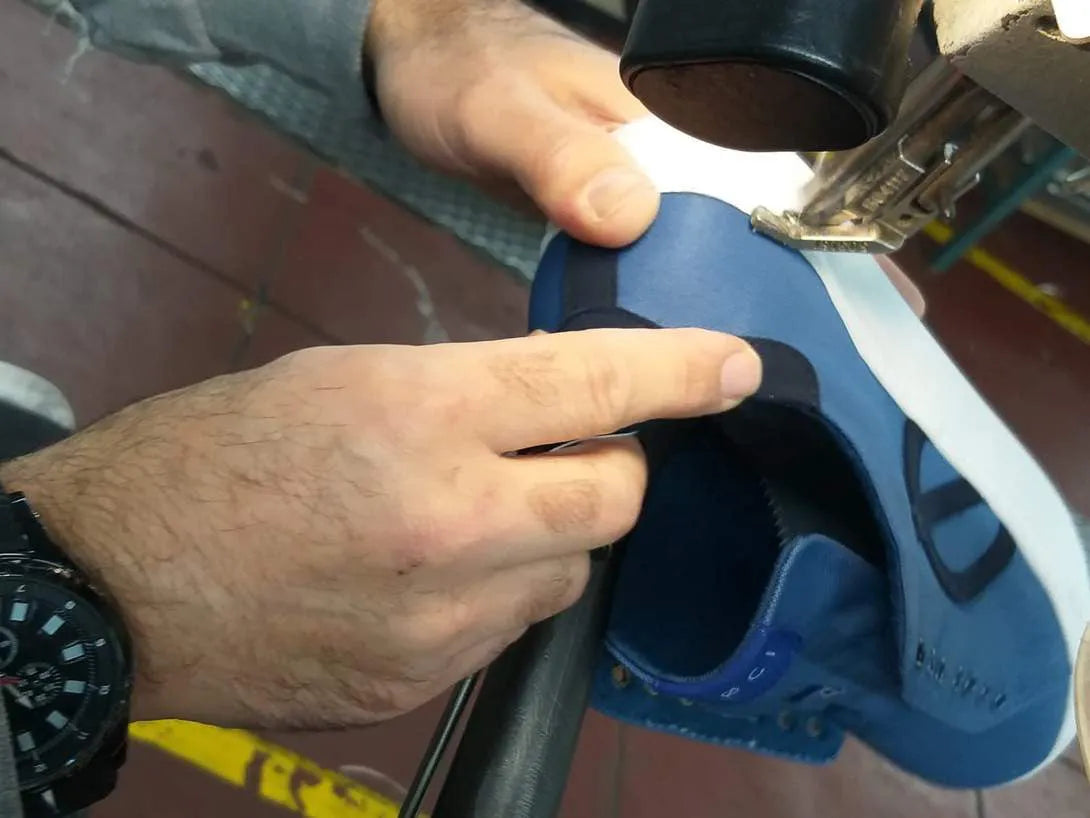
Request performance and end-of-life data from manufacturers: abrasion and flex test results, colourfastness figures, and clear statements on recyclability and compostability. Ask how the material behaves in common disposal routes. Look for design features that enable repair or disassembly, and confirm whether the manufacturer operates take-back, repair, or recycling programmes. Inspect close-up photos, or request a sample, to examine backing, stitch lines, and welds, and note smell and hand feel to detect heavy plasticisers rather than relying solely on marketing copy. Favour clear care instructions and honest material names as concrete evidence, and compare all documentation to identify gaps or inconsistencies before drawing conclusions. Use this guidance when assessing claims for sneakers, trainers, high tops, and other footwear.
Select a heavyweight tee with clear material and certifications

2. Check recognised eco labels and sustainability certifications
Third-party certifications come from independent organisations and you can verify them. Self-declared claims come from the manufacturer and lack external verification. To check a certification, look for the certifier’s logo, a visible licence or certificate number, and a matching entry in the certifier’s online register. Labels focus on different things: some verify chemical safety testing of textiles, others confirm recycled content and chain of custody, some certify the absence of animal materials, and a few assess whole-product material health. Match the label to the specific claim rather than assuming one label covers everything.
To verify a certification, search the certifier’s public register, ask the retailer for the certificate number or audit report, and compare the certificate’s stated scope with the product description. Bear in mind certifications can apply at product level, factory level, or across a supply chain; a material-level certification may not cover adhesives, dyes, or the finished trainer. Watch for red flags: vague language without a verifiable logo, percentage claims lacking a chain of custody, or certifications that cover only a single ingredient. If concerns remain, request test reports or material safety data sheets for substances such as PFAS and heavy metals.
Choose ethically certified basics you can verify.

3. Assess supply chain transparency and fair labour standards
Ask for a tiered supplier map that names finished-goods factories, component suppliers, and raw-material processors. A clear map reveals where responsibility begins and ends across the supply chain, and it gives you specific sites to verify. Cross-check those locations against corporate disclosures, regulatory registries, and satellite imagery to confirm the links a company claims. Public filings and registries provide documentary evidence, while satellite imagery helps validate on-the-ground activity and scale. Request third-party audit reports and any corrective-action plans. When reviewing audits, note whether they were announced or unannounced, the auditor's independence and credentials, the specific findings, and documented evidence of remediation. Independent audits that include follow-up actions offer stronger proof that problems were addressed rather than merely recorded. Look for published follow-up reports showing issues closed, and cross-reference those outcomes with the supplier map. Matching audit results to specific sites strengthens confidence in what happens beyond the factory gates and makes it easier to spot gaps where further verification is needed.
When assessing a supply chain, look for clear evidence of worker voice, fair pay, and environmental controls. Make requests and checks that produce verifiable records, for example: Worker voice and grievance mechanisms - Seek accessible complaint channels, such as a worker hotline, on-site complaint boxes, third-party reporting platforms, or a dedicated HR helpdesk. - Request anonymous interview summaries or focus group notes that reflect workers’ concerns and patterns, not just individual anecdotes. - Confirm recognition of worker committees or unions, and review minutes or correspondence that show active engagement. - Ask for grievance metrics: number of grievances raised, categories, resolution rates, and average time to resolution. Wages, contracts, and monitoring - Ask for the living wage benchmark used, the methodology behind it, and the proportion of workers covered by that benchmark. - Request sample payslips, payroll registers, and time records to verify hours paid, overtime, and deductions. - Review overtime policies, records of authorised overtime, and how premium pay is applied and audited. - Obtain contract templates and evidence of how wages and contracts are monitored down the tiers, including subcontractors and home-based workers. Materials traceability and environmental risk - Trace where vegan leather and other key inputs are produced: supplier names, locations, and upstream disclosure documentation such as purchase orders or bills of materials. - Require supplier disclosure beyond the first tier where possible, and sample supplier questionnaires or audits that show upstream transparency. - Review chemical management records, restricted substance testing, safety data sheets, and any laboratory reports for material inputs. - Examine effluent treatment records, discharge monitoring data, and environmental permits for production sites, and request evidence of corrective actions for any non-compliance. Finally, connect the dots: map where labour risks and environmental risks overlap, and prioritise follow-up where worker grievances, pay gaps, or weak oversight coincide with chemical or effluent issues. Concrete records, verifiable metrics, and upstream disclosure turn assertions into evidence you can act on.
Choose apparel with verified ethical sourcing and transparency

4. Assess durability, repairability, and end-of-life options
On any pair of trainers, begin with a flex and crease test. Bend the toe box back and forth while watching for surface cracking, flaking, or delamination; persistent microcracks or exposed fabric indicate the coating will fail sooner, while a smooth return points to a more durable finish. Rub a concealed area with a cloth or your fingernail to simulate abrasion, and tug gently at seams, the tongue, and the heel to check for fraying, exposed foam, or coming-apart stitching. These visible signs let you infer abrasion resistance and likely longevity without specialist equipment.
Prioritise trainers with repairable construction. Choose stitched joins, visible welt or stitch lines, and a removable insole. Stitched soles and accessible components typically allow resoling or repair, while fully glued or laminated assemblies are hard to fix. Check fibre content labels and product datasheets for mono-material uppers and soles, recyclable polymers, or compostable bio-based materials, because single-material designs make mechanical recycling far simpler. Avoid layered laminates and multiple bonded materials where possible, since they usually prevent separation and recycling and limit end-of-life options. Ask the retailer about spare parts, repair networks, resoling services, and take-back schemes, and request disassembly or recycling instructions to confirm the supplier provides practical pathways for repair and responsible disposal.
Opt for certified, responsibly made wardrobe staples.

5. Scrutinise a company's ethics, charitable commitments, and accountability
Check governance documents and public filings, including annual reports, standalone sustainability reports, and corporate registry entries, to confirm who sits on the board and whether ethical responsibility rests at executive level. Seek external assurance by looking for auditors or independent verification firms that have assessed the company’s sustainability statements, and request methodological notes or summaries of any audits. Investigate charitable commitments by asking for charity registration numbers or foundation accounts, confirming independent trustees, and reviewing annual reports that show beneficiaries and measurable outcomes. Favour evidence of long-term partnerships over one-off donations as an indicator of sustained commitment.
Insist on clear, comparable metrics. When claims are vague, request raw data or audit summaries, and compare stated key performance indicators (KPIs) with outcomes reported across multiple cycles. Confirm accountability by checking whistleblower policies, worker grievance mechanisms, and supplier remediation procedures, and seek published examples of corrective actions, supplier terminations, or improvement plans to see how policy translates into practice. Cross-check the company narrative against NGO and trade union reports, investigative journalism, worker testimonials, and supplier lists or traceability maps to identify gaps between stated ethics and on-the-ground practice.
Because vegan leather encompasses materials with very different environmental footprints, product copy rarely tells the whole story. Use the same five practical checks outlined above to compare evidence and spot greenwashing: material composition and provenance, recognised certifications, supply-chain transparency, durability and end of life, and company ethics and accountability.
Request technical data sheets and independent test reports. Cross-check certifier registries, inspect construction for repairability, and review supplier maps, audit summaries, and grievance mechanisms as verifiable evidence. These tangible checks help you choose trainers that match your priorities, extend product life, and hold makers to account.