
Buy Vegan Sneakers with Confidence: Verify Materials and Certifications
Vegan labels on sneakers often confuse shoppers. Leather alternatives, blended materials, and vague claims can make it hard to tell what a pair actually contains. If you want footwear that aligns with your values and still performs, how do you verify materials and certifications?
Learn how to spot genuine vegan materials, decode labels and certifications, and assess comfort, performance, and durability. Evaluate supply chain transparency and environmental impact, and plan for fit, care, and end-of-life options. Apply these practical checks to buy with confidence and choose trainers that align with your ethics and your needs.

How to spot genuine vegan materials in trainers, sneakers, and high tops
When shopping for trainers or sneakers, check labels and product descriptions for explicit terms such as vegan, man-made materials, microfibre, cork, recycled polyester, pineapple fibre, or mycelium. On EU textile labels, look for the phrase contains non-textile parts of animal origin. If any wording is vague, request a full breakdown for the upper, lining, insole, and adhesives. Verify independent vegan endorsements, for example the Vegan Society trademark or the PETA Approved Vegan logo. Bear in mind that certifications such as OEKO-TEX or GOTS confirm chemical safety or organic production, not the absence of animal-derived glues, trims, or reinforcements. If uncertainty persists, ask for a material safety data sheet or a written statement covering hidden components.
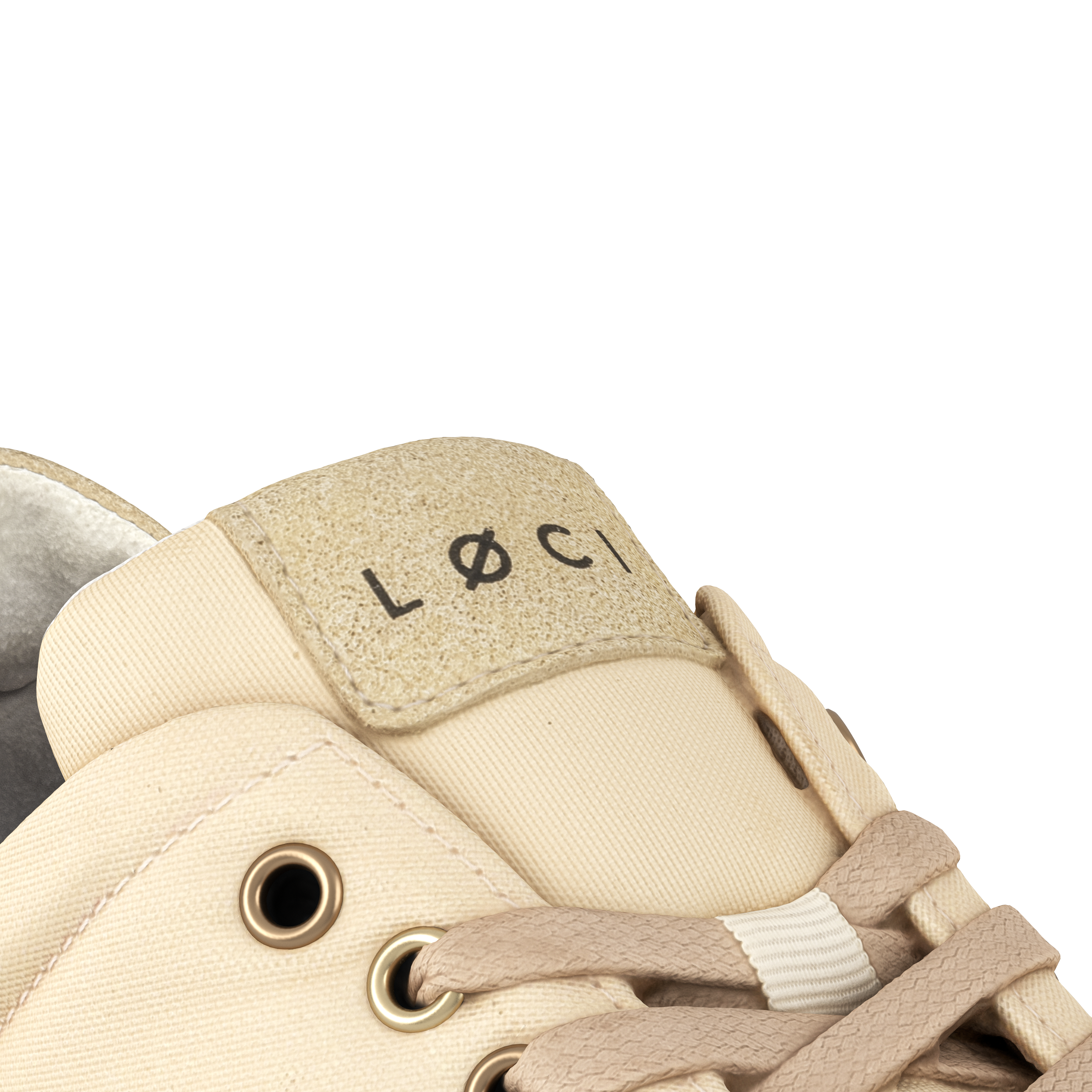
Inspect uppers and trims visually and by touch. Genuine leather shows irregular pores, hair follicles, and variable grain. Many synthetic leathers, by contrast, have a uniform texture, visible foam or fabric backing along cut edges, and perfectly repeated grain. Cork, canvas, and knit uppers reveal a distinct fibre structure in close-up photos. Check areas brands sometimes omit from labels: insoles, heel counters, welt stitching, and adhesives. Animal glue or leather reinforcements commonly appear in these hidden spots, so probe seams and liners for unexpected materials. Favour inherently vegan materials, such as cork, woven canvas, microfibre, regenerated cellulose leathers, and recycled plastics. Then check care instructions, abrasion and wear-test notes, and user reviews for durability evidence; a material that is vegan but wears out quickly defeats the purpose. Combine clear labelling and independent endorsements, such as recognised vegan certifications or third-party testing, with tactile inspection and documented durability. That combination lets you judge whether a sneaker is genuinely vegan, rather than relying on marketing claims.
Choose vegan-crafted runners made with durable bio-leather

How to Decode Sustainability Labels and Certifications for Trainers and Sneakers
Begin by checking recognised vegan trademarks: the Vegan Society trademark, the European Vegetarian Union V-Label, Certified Vegan, and PETA-Approved Vegan. Verify each claim by looking up licence numbers or the product entry on the certifier's public register. Break the product down into components: upper, lining, insole, sole, glue, thread, and trims, because animal materials often hide in linings, adhesives, and trims. Question ambiguous terms such as recycled leather, faux suede, PU, microfibre, and man-made materials, and ask the retailer or manufacturer to map those labels to specific, animal-free components. When a term looks unclear, request written confirmation of the material used in each component instead of accepting marketing copy. Compare the label on the trainer or sneaker with the online description to spot inconsistencies.
Sustainability and safety marks such as OEKO-TEX, GOTS, Bluesign, Global Recycled Standard, Fair Trade, or chemical testing certificates do not guarantee a product is vegan. These standards focus on chemicals, worker welfare, or recycled content, not animal origin. A shoe can carry an OEKO-TEX label yet still include leather or animal-based glue. Before you buy, request a full component breakdown, and ask for details on adhesives and lining materials in writing. Ask for any certification codes so you can verify them on the certifier's website. Insist that the manufacturer or an authorised retailer confirm, in writing, that glue, thread, and trims are animal-free. Decode marketing terms carefully. Cruelty-free usually means no animal testing. Plant-based can still use animal-derived inputs. Leather alternative may describe either synthetic material or coated real leather. Vegan friendly is ambiguous. Where possible, request documentary evidence, such as a valid vegan certification or a signed materials declaration.
Choose a certified vegan trainer with bio-leather.

How to assess trainers for comfort, performance, and durability
Begin by listing the exact materials used in the upper, lining, midsole, and outsole. Each component shapes comfort, breathability, and longevity. Polyurethane and microfibre resist water and abrasion, while canvas and organic cotton breathe better but absorb moisture. Natural or synthetic rubber outsoles determine grip and typical wear patterns. Note the trade-offs: greater abrasion resistance often reduces breathability, and lightweight textiles can wear faster in high-stress zones. Seek recognised vegan trademarks and third-party textile or chemical safety certificates. Review each certificate's scope to confirm whether it covers animal content, chemical limits, and supply chain practices. Use those documents as evidence when judging whether material claims match your needs.
When trying on trainers, wear the same foot coverings or insoles you normally use. Bend the trainer at the midfoot to test flexibility, pinch the toe box to check toe clearance, and press the midsole to assess cushioning firmness. Press the heel counter to ensure it holds your heel, and check whether the insole is removable to accommodate custom orthotics. Inspect construction carefully: look for visible stitching, reinforced panels in high-wear areas, a securely attached outsole with deep tread, and multiple upper layers rather than single glued seams. Gently probe seams and glued joins to reveal any weak points that could separate with use. Follow the manufacturer's care instructions. Use pH neutral cleaners, and air dry away from direct heat. Reapply suitable water repellents for textile or synthetic uppers when needed. Rotate between pairs to distribute wear and extend service life, and check whether resoling or replacement insoles are available to further prolong the trainers' usable life. These checks and simple care steps help keep trainers in service longer, reducing waste and environmental impact.
Assessing comfort, performance and durability
- List exact materials for the upper, lining, midsole, and outsole, then note likely trade-offs: polyurethane and microfiber resist water and abrasion, canvas and organic cotton breathe but retain moisture, and natural or synthetic rubber outsoles set grip and typical wear patterns; ask the maker for a materials sheet so you can match component choices to your needs. Check third party evidence for material and chemical claims, such as Oeko Tex, Bluesign, GOTS, REACH test reports, or chemical management programme documentation, and open each certificate or test report to confirm whether it covers animal content, chemical limits, and supply chain scope.
- Run a repeatable in-store routine: wear the socks you intend to use, flex the shoe at the midfoot, pinch the toe box to confirm clearance, press the midsole to compare cushioning firmness, check heel counter stability, and confirm whether the insole is removable for orthotics; walk and jog a short distance to detect heel lift, slipping, or unexpected pressure points.
- Inspect construction and plan care and repairs: look for visible stitching, reinforced high wear panels, solidly attached outsole and deep tread, and multi layer uppers rather than single glued seams, then gently probe seams and glued joins to find likely separation points. Follow maker care instructions, use pH neutral cleaners, air dry away from direct heat, reapply appropriate water repellents for textile or synthetic uppers, rotate pairs to reduce cumulative wear, and verify resoling or replacement insole options to extend serviceable life.

How transparent is your supply chain, and what is its environmental impact?
Request a full materials breakdown for the upper, lining, insole, and sole, with percentage composition for each. Cross-check the listed fibres and coatings against independent test reports and certification claims. Look up certificates on the certifier's public database — for example OEKO-TEX, GOTS, GRS, or Bluesign — and read each certificate to confirm whether it covers chemical testing, recycled-content chain of custody, or organic fibre standards. Map supply chain transparency by favouring companies that publish factory lists, raw-material origins, and audit summaries. Use those disclosures, together with auditor reports and NGO research, to confirm audit outcomes and labour and environmental compliance.
Ask to see lifecycle assessments, carbon and water footprint disclosures, and microplastic-shedding test results so you can compare the resource use of plant-based leathers with the energy intensity of recycling. Prioritise end-of-life information: are parts separable or stitched rather than permanently glued? Does the brand operate a take-back or recycling scheme, and does it publish clear repair and disposal instructions? Use these documents to assess durability and disposal pathways, checking whether claims are supported by hard data or only vague sustainability language, and flag any gaps to customer service or independent auditors for clarification.
Choose heavyweight cotton for durable, responsibly made basics.

Plan for fit, care, and responsible end of life for your trainers
Measure both feet while standing, ideally at the end of the day, and compare the measurements with the supplier's size chart. Test the fit with the insoles and any liners or orthotic inserts you plan to wear: the heel should sit securely, the toe box should allow about a thumb's width of wiggle room, and the trainer should not pinch when you walk a few paces. Inspect construction and materials by checking stitch lines around the sole, removable insoles, and the materials label for polyurethane, recycled polyester, natural rubber, or plant fibres. Stitched soles and separable components make resoling and part replacement easier, while fully glued assemblies often limit long-term repair options. Check these features before you buy so you can plan care, maintenance, and repairs.
Match your care routine to the material. Wipe coated synthetic leather sneakers with a damp cloth and mild detergent; brush canvas or knit with a soft brush and soapy water. Remove insoles and laces before cleaning, and air dry items away from direct heat. Test any cleaner on a hidden area first to check for colour transfer or surface damage. Shape and break in gently. Insert shoe trees or rolled paper to retain form, alternate pairs to spread wear, and add thin insoles or heel grips to fine-tune the fit without stretching delicate uppers. Plan for end of life. Prefer designs with separable components to simplify recycling, document condition to support local textile-recycling or cobbler services, and opt for donation or appropriate disposal when materials are labelled biodegradable or recyclable.
Choosing genuinely vegan sneakers means verifying materials, certifications, and construction, not taking promotional labels at face value. Inspect visually and by touch, ask for a documented component breakdown, and seek third-party verification, such as recognised vegan certifications or material declarations. These steps give you the evidence to judge a shoe’s ethical credentials, performance, and longevity.
Use this checklist: spot materials, decode labels, assess comfort and durability, verify supply chain transparency, and plan for fit, care, and end of life. These steps turn uncertainty into verifiable facts, so you can buy trainers with confidence and extend each pair's useful life through proper care or repair.