
How to Create a Foolproof Routine to Stop White Trainers Yellowing
Is there anything more frustrating than a fresh pair of white trainers going yellow within weeks? Everyday wear, body oils, and environmental exposure gradually discolour soles and fabric, making them look aged long before they wear out.
Keep your trainers looking fresh with a reliable routine that combines daily care, protective treatments, material-specific cleaning and correct drying, storage and maintenance to prevent yellowing. Follow these practical, evidence-informed steps to avoid future discolouration, tackle existing yellowing and extend the life of every pair.

Keep your trainers from yellowing with daily care and protective treatments
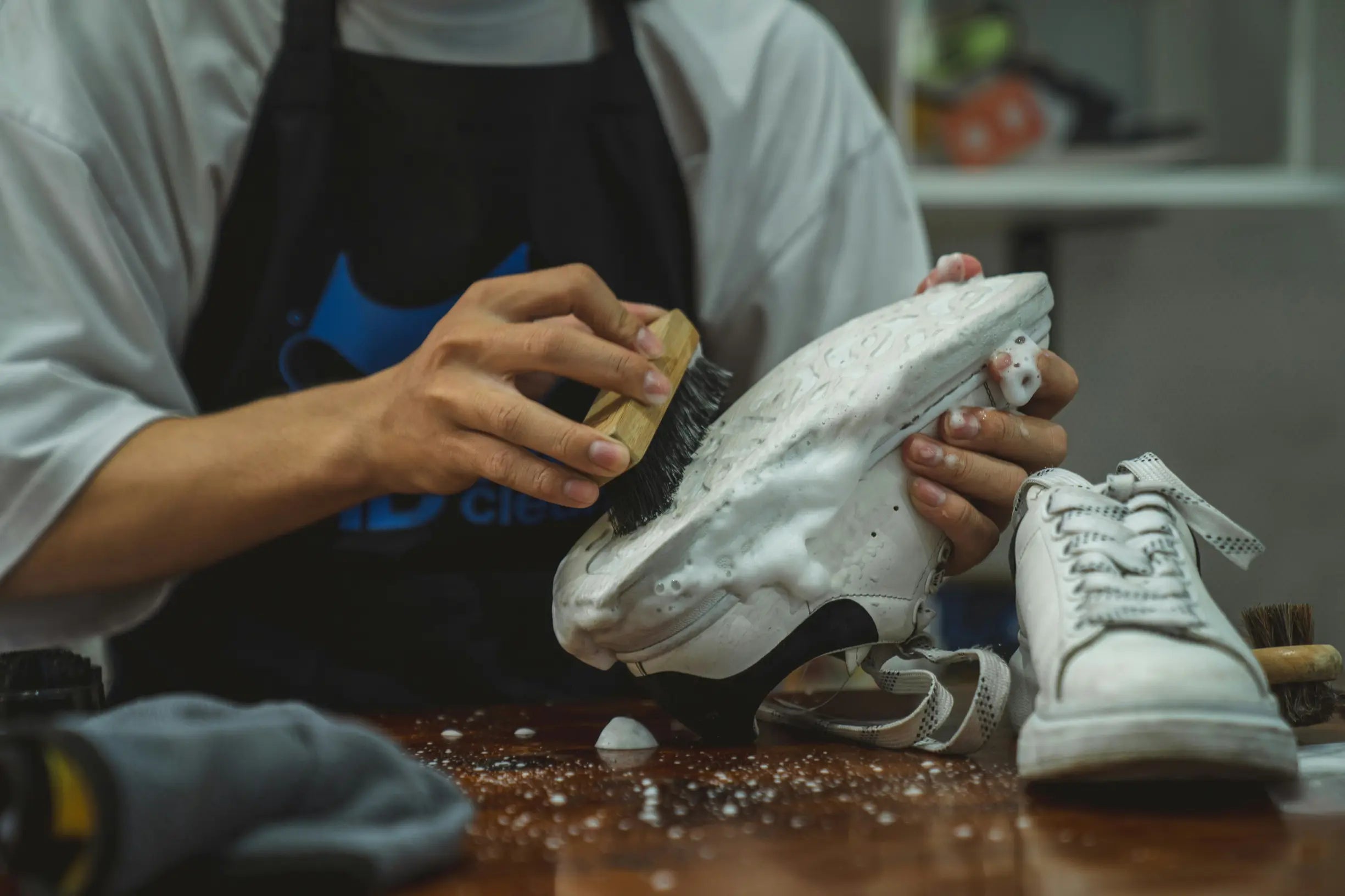
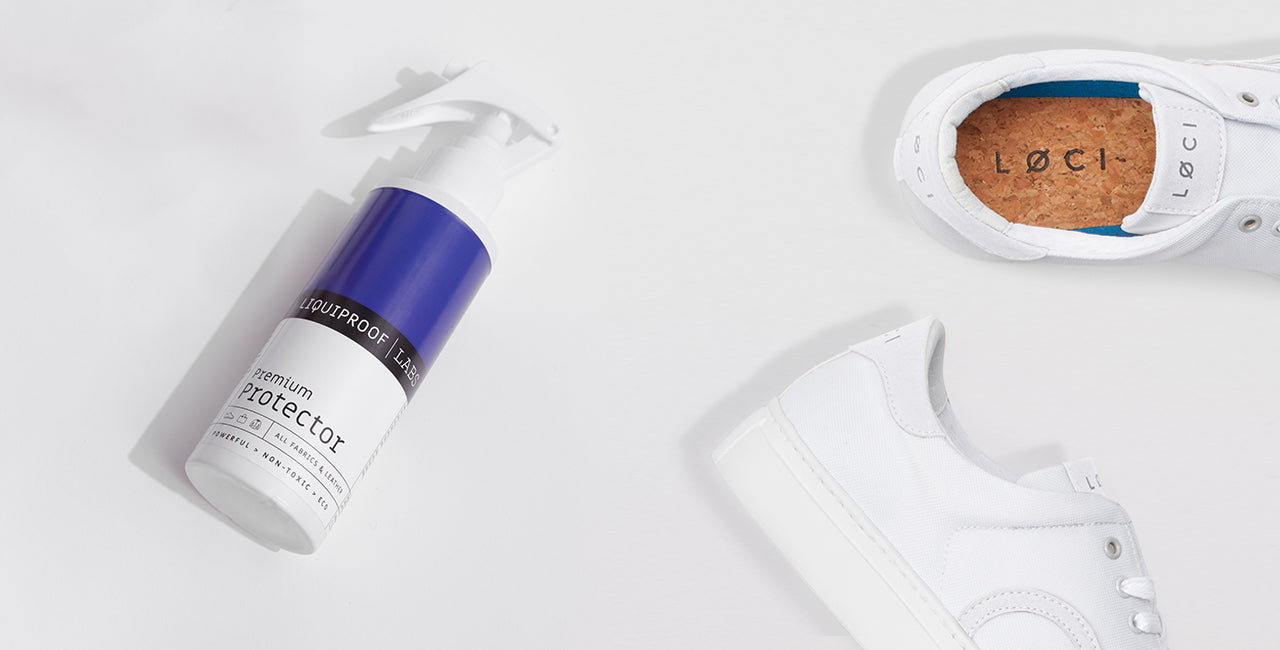
After every wear, wipe your trainers with a microfibre cloth dampened with water, and remove laces and insoles to expose internal surfaces; salts and skin lipids can oxidise into yellow stains over time. For deeper cleaning, use a neutral pH detergent or a dedicated sneaker cleaner with a soft brush, rinse with cold water and blot away excess moisture. Avoid bleach, harsh solvents and hot-air drying, which break down polymers and adhesives. Spot-test any protective treatment first, then apply a footwear-safe UV-blocking, water-repellent spray to uppers and midsoles to slow UV and moisture-driven oxidation.
Keep trainers in a cool, dry place out of direct sunlight, and store them in breathable boxes or cloth bags rather than sealed plastic. Trapped humidity and light accelerate polymer oxidation and microbial discolouration. Rotate your pairs and allow trainers to dry completely between wears to minimise the build-up of sweat and salts that cause yellowing. Use absorbent insoles or desiccant sachets in storage to control moisture and keep inner surfaces fresh. Together, these simple routines slow the chemical and microbial processes that yellow uppers and midsoles and help preserve their white colour.
Pick garment-care joggers; wash cold, line-dry.

Remove yellowing from trainers with cleaning tailored to each material
Match your cleaning method to the upper material. For canvas trainers: remove laces and insoles, brush away dry dirt, then pre-treat stains with a paste of bicarbonate of soda and a pH-neutral detergent. Gently scrub and rinse sparingly. Stuff the trainers with acid-free tissue paper to hold their shape and air dry out of direct sunlight to protect the fibres, since bicarbonate of soda gives mild abrasion and lifts oils without weakening the fabric. For leather and synthetic leather sneakers: wipe with a damp microfibre cloth and a pH-neutral cleaner, test first on a hidden seam, then finish with a conditioner to replenish natural oils and help slow oxidation and reduce cracking.
To remove yellowed rubber soles and midsoles on trainers or sneakers, make a paste of sodium bicarbonate and hydrogen peroxide and apply it only to the rubber sole. Keep the paste moist while it works, gently agitate with a toothbrush, then rinse and buff with a clean cloth. Hydrogen peroxide breaks down oxidised chromophores in rubber to restore apparent whiteness, but always patch-test first and protect delicate uppers from contact. For suede and nubuck, avoid saturating the material. Lift surface dirt with a suede brush, work marks with a suede eraser, use a specialist dry suede cleaner for stubborn spots, then brush to raise the nap and finish with a water and stain repellent. Mesh and knitted technical fabrics respond best to brief soaks in a dilute pH-neutral solution and gentle agitation, followed by thorough rinsing, reshaping with paper or shoe trees, and air drying. Avoid bleaching agents and high heat, as these can degrade synthetic yarns and make yellowing worse.
Clean and protect trainers with an all-in-one kit.

How to dry, store and care for white trainers
Dry trainers out of direct sunlight and away from heat. Pat away surface moisture with an absorbent cloth, then remove insoles and laces to allow air to circulate. Air them in a well-ventilated area until the interior feels dry, because UV light and heat cause polymers in uppers and soles to oxidise and yellow. Clean thoroughly before storing, using a gentle, pH-neutral cleaner suited to the upper material. Residual dirt, salt and sweat leave behind salts and oils that catalyse chemical reactions and encourage mould. Removing these residues now reduces the chance of stubborn discolouration and makes any later whitening far more effective.
Keep uppers shaped and dry by stuffing them with acid-free tissue or using breathable shoe trees to absorb remaining moisture. Do not use newspaper, as the inks can transfer and stain. Store trainers, sneakers or high tops in breathable containers such as cotton shoe bags or ventilated boxes, and add moisture absorbers like silica gel. Avoid sealing shoes in plastic bags, which trap moisture and encourage yellowing and mould. Be material aware: rubber midsoles, leather, canvas and synthetic fabrics react differently, so match cleaning and protection methods to each material. Never use harsh oxidising agents such as chlorine bleach, as these can worsen yellowing.
Protect white trainers with consistent, material-specific care. Wipe after wear, clean with pH-neutral solutions and apply footwear-safe UV-blocking, water-repellent sprays to preserve colour and glue. Dry them in a controlled, airy place, store in breathable containers and rotate pairs to limit sweat, salt and humidity that accelerate discolouration. For existing yellowing, treat materials selectively: a paste of sodium bicarbonate and hydrogen peroxide for rubber, a suede eraser for nubuck, and short, gentle soaks for mesh to lift stains without degrading fibres.
Treat the headings as your checklist: Daily care and protection; Material-specific cleaning; Proper drying and storage. Match every action to the trainer material and avoid treatments that do more harm than good. Use these steps to keep trainers looking fresher, preserve their colour and minimise the need for harsh whitening later.