
3 Small Wardrobe and Habit Changes That Amplify Vegan Trainers' Impact
Make one small swap in your wardrobe and you can reduce demand for animal leather, cut waste and prompt manufacturers to choose kinder materials. Choosing vegan trainers is exactly that swap, but their real environmental and ethical impact depends on how you buy, style and care for them.
Make three practical moves: recognise the ripple effect of your choices; style each pair to maximise wear and impact; and maintain, mend and recycle trainers responsibly. Follow these steps and your trainers will do more than look good. They will last longer, cut waste and send a clear signal to the high street that thoughtful fashion matters.

1. Recognise the ripple effect of choosing vegan trainers
Life-cycle assessments typically find that animal leather uses more water, creates higher greenhouse gas emissions and requires more land than many alternatives. Plant-based leathers can repurpose agricultural waste and ease pressure on land, while synthetic materials avoid animal inputs but can shed microfibres and complicate end-of-life disposal. Material choice is only one part of the picture, so extending the useful life of your trainers and sneakers is usually the most effective way to reduce a shoe's overall environmental footprint. Prioritise repairing, resoling, replacing insoles and rotating pairs, as these actions typically cut a trainer's lifetime impact more than simply switching materials. Look for independent life-cycle assessments and clear material breakdowns from manufacturers so you can compare impacts with evidence. At end of life, favour mono-material construction, separate non-textile parts where possible, and keep materials circulating through donation, resale, retailer take-back or specialist recycling schemes rather than sending items to landfill.
Every purchase is a vote. Together, those votes shape what the high street stocks and what manufacturers choose to scale. Amplify your vote by asking local shops for vegan options, leaving constructive reviews that note material performance, and sharing reliable comparisons with friends and colleagues. Normalise vegan footwear choices in workplace and social conversations, and ask retailers for clearer information about material origins and recyclability. Combine these small, persistent actions with a preference for durable, repairable designs and with finding suitable recycling or resale routes. Over time, shifting demand in this way makes systemic change more likely.

2. Styling tips to maximise each pair's wearability and impact
Treat each pair of trainers as three outfit roles: an everyday base, a dressed-up option and an active or travel look. Create one simple formula for each role focused on silhouette, colour and texture, then photograph those formulas so you can test and repeat what works. Make trainers the focal point by managing proportion and hems. Cropped trousers, midi skirts that sit at mid-calf or rolled jeans expose the ankle line and instantly change how visible and wearable a trainer feels across occasions. Celebrate vegan materials by mixing textures and finishes. Pair matte or woven trainers with structured wool, soft cotton or glossy outer layers to create contrast that reads intentional rather than casual.
Small swaps — tonal or contrasting laces, a visible ankle layer in a complementary colour, or matching a belt or bag to the trainers' accent — can shift a pair from sporty to smart-casual to weekend-ready without buying anything new. Adopt simple care and rotation habits so each pair keeps its intended look and you keep reaching for them. Stick to one outfit formula that disguises light scuffs, store trainers on shoe trees or in breathable bags, and refresh the material after heavy wear.

3. Practical steps to maintain, mend and recycle your trainers responsibly
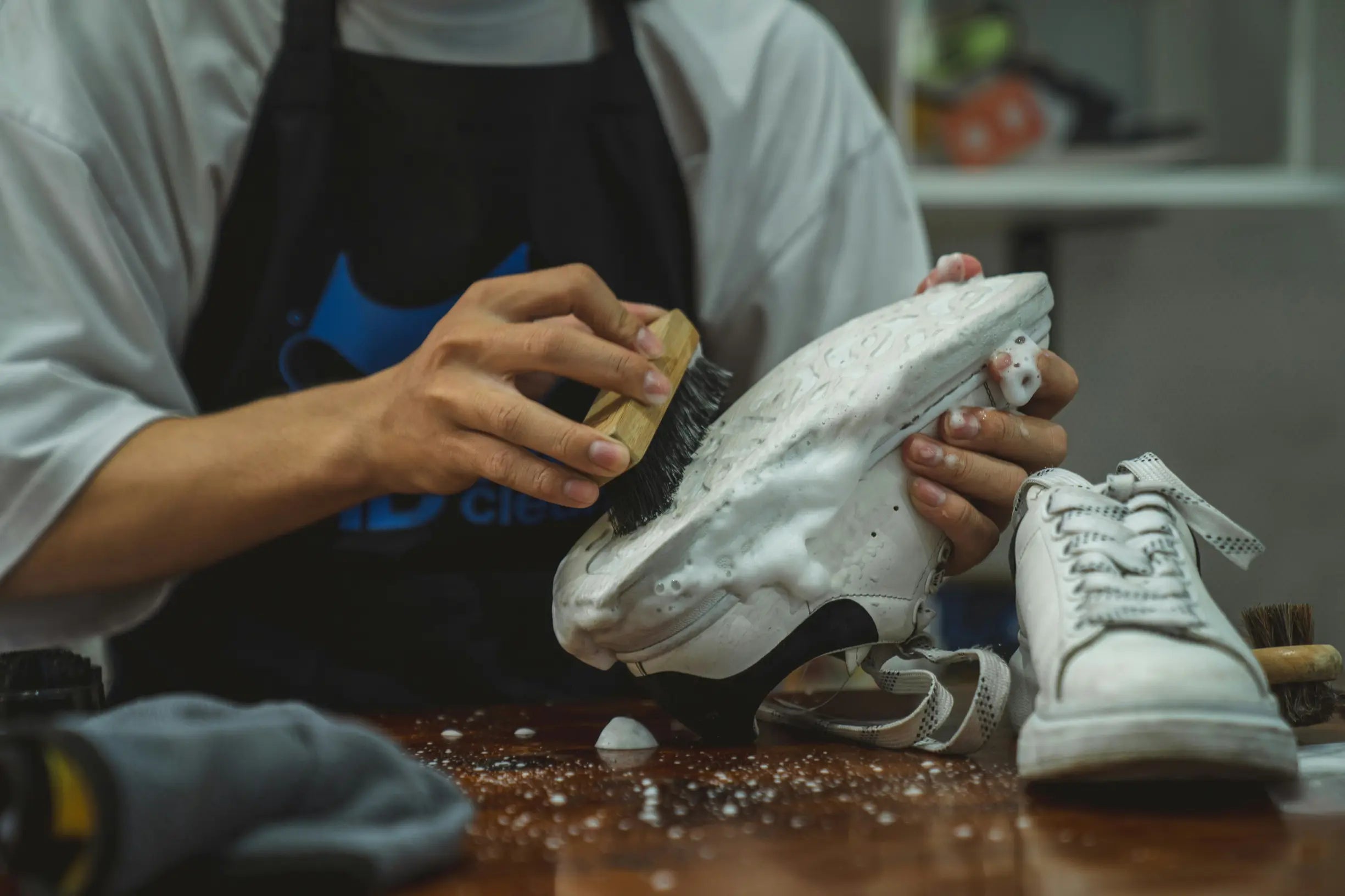
Inspect construction first: note whether the upper is textile or synthetic and whether the sole is stitched or glued. Stitched soles usually allow resoling, while glued soles tend to limit repair options. Clean trainers by removing laces and insoles, brushing away grit, and spot-cleaning uppers with a mild detergent suitable for synthetics. Rinse sparingly, stuff with newspaper to absorb moisture, and air dry away from direct heat to avoid warping or degrading materials. Tackle small faults early: replace worn insoles and laces, restitch or bond minor tears with adhesives designed for rubber and synthetic fabrics, and patch uppers with matching textile where necessary. For resoling, take trainers to a local cobbler rather than discarding them at the first sign of wear.
Rotate your trainers and give them time to rest between wears so the midsole foam can decompress. Alternate pairs rather than wearing the same pair every day. Use shoe trees or lightly stuff them with paper to maintain shape, and store them in a cool, well ventilated place to slow material breakdown. Dry trainers thoroughly after use to reduce odour and microbial growth. Proper drying helps maintain fit and extends the life of the materials. Plan an end of life pathway for items you can no longer repair. Donate wearable pairs to local charities or community groups, or use specialist trainer recycling schemes that separate rubber, foam and textiles for material recovery. Where recycling is not available, repurpose components into household items so materials stay in use rather than become waste. Small, intentional steps keep your trainers performing longer and help reduce their environmental impact.
Choosing vegan trainers can reduce demand for animal leather and lower associated water use and land pressures, yet the net environmental and ethical benefit depends on how you buy, style, and care for them.
Extend a shoe’s useful life through repair, resoling, rotation and considered styling. Those actions often cut a trainer’s total footprint more than swapping materials alone, and they send a clearer signal up the high street supply chain. Recognise that ripple effect by asking for material transparency, photographing simple outfit formulas to maximise wear, and acting early to mend damage, replace insoles or arrange recycling. Make these practical habits routine and you keep trainers in use longer, reduce waste, and increase the chance manufacturers prioritise kinder, more durable options aligned with consumer demand.