
These 10 Styling Tricks and Accessories to Turn an Oversized Men's Fit Jumper into Polished High Street Looks
Have you ever loved the comfort of an oversized men's-fit jumper but struggled to make it look polished on the high street? This post shows how to turn that relaxed shape into considered outfits using ten styling tricks and accessories that focus on fit, proportion, and finishing touches.
You will get practical steps on choosing size, fabric, and colour, balancing top-to-bottom proportions, and using knotting, tucking, or light tailoring to create cleaner lines. Clear examples will show how to layer with shirts, dresses, and jackets, select footwear and accessories to define the ensemble, and adapt the jumper for high street casual, work, and evening looks, while offering care and sustainable styling tips.

1. Understand the men's-fit jumper silhouette
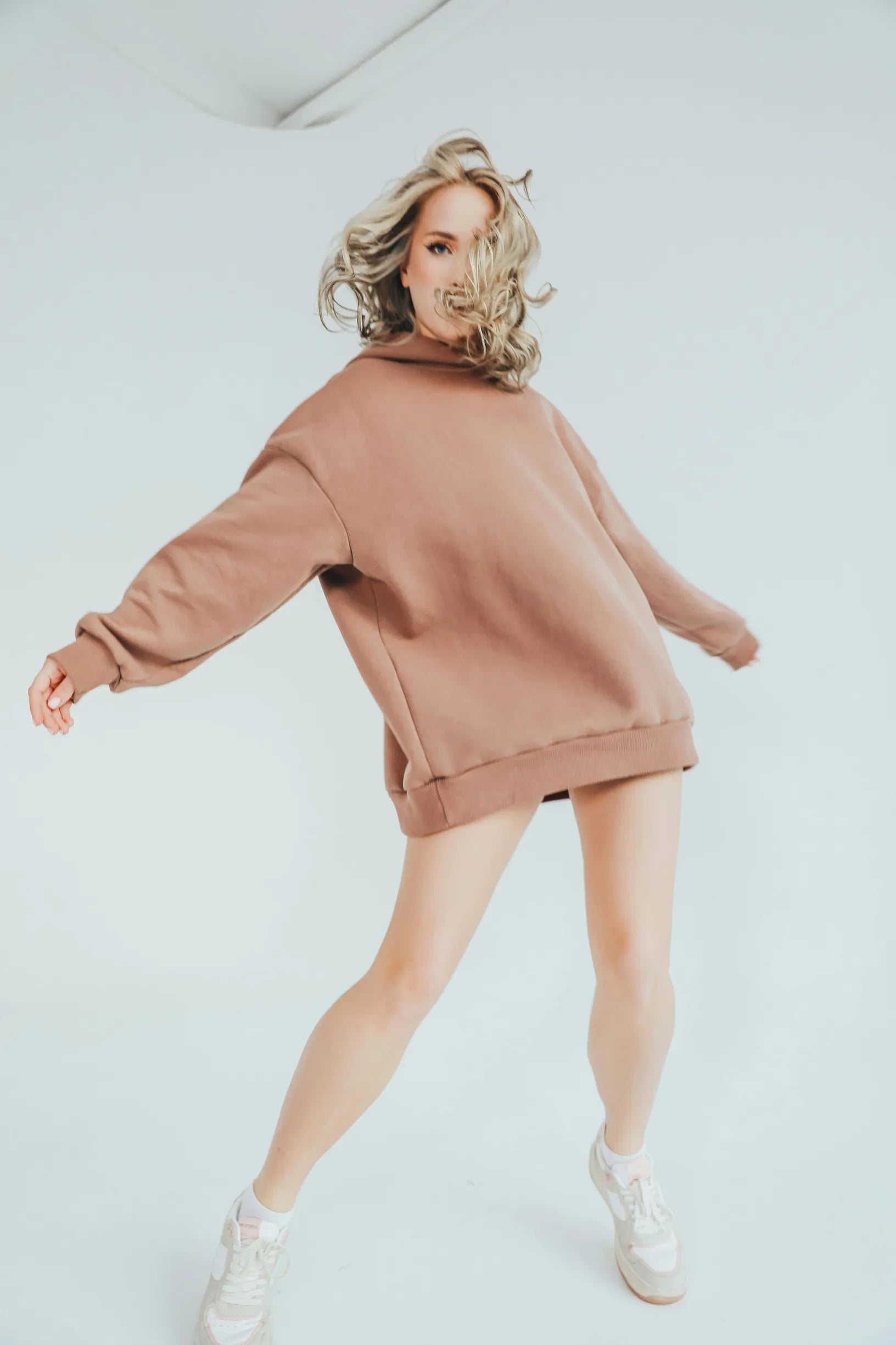
Read the jumper's proportions carefully: shoulder seam placement, sleeve width, body length, and hemline determine how volume sits on the frame, with a dropped shoulder increasing relaxed width and a shorter hem changing perceived torso length. Assess knit weight and drape, since fine-gauge knits tend to skim and layer cleanly, while dense stitches hold boxier shapes and resist tucks. Use neckline and shoulder structure as styling levers, because a V or deep scoop opens the chest and elongates the neck, while a high crew or funnel concentrates visual weight at the shoulder and upper chest.
Apply simple adjustments to alter proportion: a front or half tuck shortens the body and creates a defined waist, belting reintroduces shape, and rolling or cuffing sleeves exposes leaner forearms to reduce bulk. Choose pairings to balance volume for high street looks, matching an oversized jumper with tailored trousers, straight leg jeans, or a structured overcoat to sharpen the silhouette, or selecting relaxed bottoms and a long coat to emphasise comfort. Select footwear to either anchor the volume, for example boots with a defined sole, or to refine the outfit with a sleeker shoe. These levers let you control perceived proportions and convert an oversized men's fit jumper into considered, wearable looks.
Opt for a mid-weight crew to balance oversized proportions.

2. Choose the right size, fabric, and colour
Start with fit rules, not slogans: the shoulder seam should drop slightly off the shoulder, sleeves should reach the wrist without swallowing the hand, and the hem should skim the hip rather than billow past thigh level. Try it tucked at the front or worn over a straight-leg trouser to see whether the silhouette reads intentional or untidy. Pay attention to how the jumper sits when you move, because a deliberately oversized piece will maintain clean lines rather than gather and gap at the waist. These checks make it easier to judge whether an oversized shape will read as considered high street styling or casual loungewear.
Fabric and colour determine how polished the jumper looks: fine merino or a soft cotton blend drapes and reads refined, while chunky wool or heavy boucle adds volume and texture. Choose muted, versatile tones or tonal variations of the same family to make the piece look considered, or contrast a mid-tone jumper with darker trousers for clearer lines, and select a soft neutral when layering with patterned shirts. In the changing room roll the sleeves, knot or front-tuck the hem, pull the knit gently to test stretch recovery, and move around to check for creasing, bunching, or gaping.
Opt for a mid-weight sweater to maintain clean lines.

3. Balance proportions for top to bottom harmony
Apply the rule of thirds by half-tucking an oversized jumper into high-waisted trousers or a skirt to create clear upper, middle, and lower sections, which defines the waist and visually lengthens the legs. Counter the jumper's bulk with slim, tailored bottoms such as tapered trousers or straight-leg chinos, and expose the ankle or show a slight break at the shoe to create a narrow line from knee to foot. Use focal accessories like a belt to nip in at the natural waist, or mid-calf boots to ground the outfit and raise the visual centre of gravity.
Introduce structured outerwear, for example a single-breasted coat or a fitted blazer, to add shoulder definition and long vertical seams that offset the jumper's slouchy volume. Adjust proportions with cropped layers or sleeve tricks: layer a cropped jacket to shorten the torso, or roll the jumper sleeves to reveal shirt cuffs or wrists and create narrow points. Combine these techniques to shape a coherent silhouette that balances top half volume with a more tailored lower half. For instance, wear a fitted blazer over a half-tucked jumper with tapered chinos and ankle-exposing shoes to produce a polished, high street-ready look.
Choose a mid-weight tapered set for warmth without bulk.

4. Use knotting, tucking, and simple tailoring tricks
Use a front tuck or French tuck by pinching a small amount of mid-weight knit at the front and easing it into the waistband of trousers or a skirt to define the waist and shorten the visual torso, smoothing the fabric to avoid bulk so the look reads intentional. Knotting a corner or side panel into a low hip tie shifts bulk laterally and introduces asymmetry, and you can secure it with a tiny stitch or fashion pin for a neat cropped line that lengthens the leg. These simple moves balance the jumper's volume against tailored bottoms, producing a high street-ready silhouette.
Roll or push sleeves to the forearm to reveal wrists or shirt cuffs, which reduces perceived volume, introduces sharper lines, and draws attention to accessories like a watch or bracelet. Try temporary tailoring tricks such as small hand-sewn tucks, double-sided fashion tape, or removable stitches at side seams or the back waist to remove excess fabric while you test silhouettes. Position a belt over the jumper at the natural waist or slightly higher, using a narrower belt to avoid bulk, or layer a sharply tailored jacket to compress and define the shoulders. Ensure the jacket sits cleanly over the knit so the ensemble reads as intentional shaping rather than simply oversized clothing.
Choose a mid-weight set for structure without bulk.

5. Layer smartly with shirts, dresses, and jackets
Layer a thin, long-sleeve shirt under an oversized jumper, exposing the collar and cuffs so crisp lines puncture the knit. Roll the jumper sleeves and half-tuck the shirt at the front to break the boxy hem and suggest a waist. Use a lightweight dress underneath so a silky or cotton skirt peeks out below the jumper, and choose contrasting textures to make the layers read deliberate rather than bulky.
Top the jumper with a structured blazer or cropped jacket left open to create vertical lines, because defined shoulders or a nipped-in waist read as tailored against the jumper's volume. Belt the jumper over a shirt or dress at the natural waist; a narrow belt offers subtle shaping, while a wider belt forms a clear hourglass and turns the jumper into a centrepiece. Match fabric weights and play with texture to control bulk, pairing chunky knits with smooth, lightweight underlayers or wearing a thinner jumper beneath heavier outerwear. Together these choices elevate an oversized knit into a polished high street look that keeps comfort and proportion.
Layer this mid-weight crew for polished, cozy proportions.

6. Pair with jeans, tailored trousers, and skirts
Half-tucking an oversized jumper into high-waisted jeans lifts the front hem, tucks a small section into the waistband and leaves the sides loose, creating a defined waist and a longer leg line while preserving the garment's relaxed character. For a more structured finish, pair the knit with high-waisted, tapered, or straight-leg tailored trousers and anchor the silhouette with a narrow belt or a front tuck to prevent boxiness. These subtle shaping moves sharpen the look without adding layers, so the outfit reads intentional and high street-ready.
Contrast textures by teaming the jumper with a midi pencil or A-line skirt in a firmer fabric, such as wool or coated cotton, to introduce clean lines that offset the slouchy drape. Shaping tricks like knotting the hem to one side, blousoning the jumper over the waistband, or wearing a slim belt over the knit concentrate bulk and create waist definition while keeping the oversized aesthetic. Refine finishing details by rolling the sleeves to reveal shirt cuffs or wrist accessories, and by showing a sliver of ankle through cropped trousers or ankle boots. Choose shoes such as loafers, brogues, or Chelsea boots to move the outfit from casual to dressy without extra layers.
Choose a midweight crew to refine relaxed proportions.

7. Define the look with the right footwear
Balance a roomy jumper with slim or tapered trousers and Chelsea boots or loafers to tighten the silhouette, a contrast that reads deliberately tailored on the high street. Choose footwear with a clean finish, such as polished leather or smooth suede, so the shoe reflects light and signals intentionality, lifting an informal knit. Use sole thickness to control the outfit's weight: chunky, lugged soles ground relaxed looks, while thinner soles create a sleeker line for a more formal appearance. A tonal shoe creates cohesion, whereas an accent colour or textured leather introduces visual interest without overwhelming the jumper's proportions.
Pay attention to sock choice and trouser hem to refine the finish. Show a flash of patterned or coloured sock with cropped trousers for a contemporary edge, or hide socks with full-length trousers for a streamlined look. Small adjustments at the ankle can sharpen the overall silhouette and make the ensemble read as intentionally styled rather than accidental.
Flash a patterned sock with cropped trousers.

8. Elevate outfits with belts, bags, jewellery, and scarves
Cinch an oversized jumper with a mid-width leather or woven belt at the natural waist or just above the hips to reduce visual bulk, or position the belt higher for a cropped silhouette and pair it with a half-tuck or slight blousing to keep proportions intentional. Use the bag as a counterpoint by choosing a small, structured satchel or a longer crossbody to break up the torso, and wear the strap across the chest to balance volume. Repeat the bag's colour in another accessory to make the combination read as a considered look.
Layer necklaces to sit visibly on top of the knit by matching chain lengths to the jumper neckline, and pair a statement ring or a sturdy watch with minimal pieces so metalwork adds focus without competing with chunky textures. Fold a silk square into a neat neckerchief for a high street finish, drape a long scarf inside an open jumper to introduce vertical lines, or tuck a lightweight scarf under the collar to draw the eye upward and refine the neckline. Work with colour, texture, and scale by repeating one accent colour across two accessories, and by choosing smooth leathers or polished metals to lift a heavy knit. Keep accessory proportions compatible with the jumper's bulk, considering belt width, chain thickness, and bag size, so the ensemble reads balanced and refined.
Anchor oversized knits with a heavyweight crew.

9. Adapt the jumper for high street casual, work, and evening
From one oversized jumper you can build three distinct silhouettes: high street casual, work, and evening. For high street casual, half-tuck the front into relaxed jeans, cuff the sleeves, add trainers and a compact crossbody to keep the look effortless. For work, tuck the jumper into high-waisted, tailored trousers, add a structured blazer and polished lace-ups or loafers to create a neat, office-ready line.
Use layering to add contrast and structure by slipping a crisp, lightweight shirt under the jumper so the collar and cuffs peek out, choosing thin base layers to avoid bulk, and adjusting buttons to change the neckline and formality. Define the silhouette with belts or simple tailoring, positioning a narrow belt over fine-gauge knits or a wider belt over chunkier knits, and anchor the belt by tucking a small section of the hem into trousers to prevent slippage. Switch trainers for loafers or Chelsea boots, add a structured blazer or long coat for shoulder definition, and mind finishing details such as steaming, depilling, trimming loose threads, and coordinating metal finishes to make the same jumper read polished across occasions.
Try a streamlined set to polish casual looks.

10. Care for the jumper, arrange alterations, and choose sustainable styling
Begin by checking the label and fibres, following care symbols so you can hand-wash or use a gentle machine cycle, avoid hot water and tumble drying, and reshape the jumper while damp to restore its intended drape. Keep the finish tidy by removing bobbles with a de-pilling comb or a careful razor pass, mending small holes with invisible darning or same-colour thread, and replacing any missing buttons or toggles. Rotate wears to reduce friction, air or steam garments between wears instead of washing, and store jumpers folded in a breathable container with natural moth deterrents to slow fibre wear. These small routines preserve the garment's appearance and help it sit cleaner and smarter on the high street.
For a more polished high street silhouette, consult a tailor about minimal alterations such as shortening the hem, tapering the sides, raising the shoulder seam, or adding shallow darts, and always start with reversible changes. If you prefer not to cut, change the jumper's proportions with a structured belt to define the waist, layer a collared shirt or a slim jacket underneath to sharpen lines, tuck or half-tuck the front into trousers, and roll sleeves neatly to expose cuffs for contrast. When the piece no longer suits you, consider upcycling it into a new garment or donating to clothing swaps so the fibres live on.
An oversized men's-fit jumper becomes high street-ready when you control proportion, refine lines, and choose complementary textures and accessories. Simple moves, such as a front tuck, a narrow belt, cropped layers, and considered footwear, turn relaxed volume into silhouettes that sit cleanly on the body.
Use the techniques from the headings, including fit checks, fabric and colour choices, proportion rules, and finishing touches, to build casual, work, or evening looks from a single jumper. Test small tailoring tweaks, curate accessories deliberately, and maintain the knit to keep each outfit intentional and extend the garment's life.