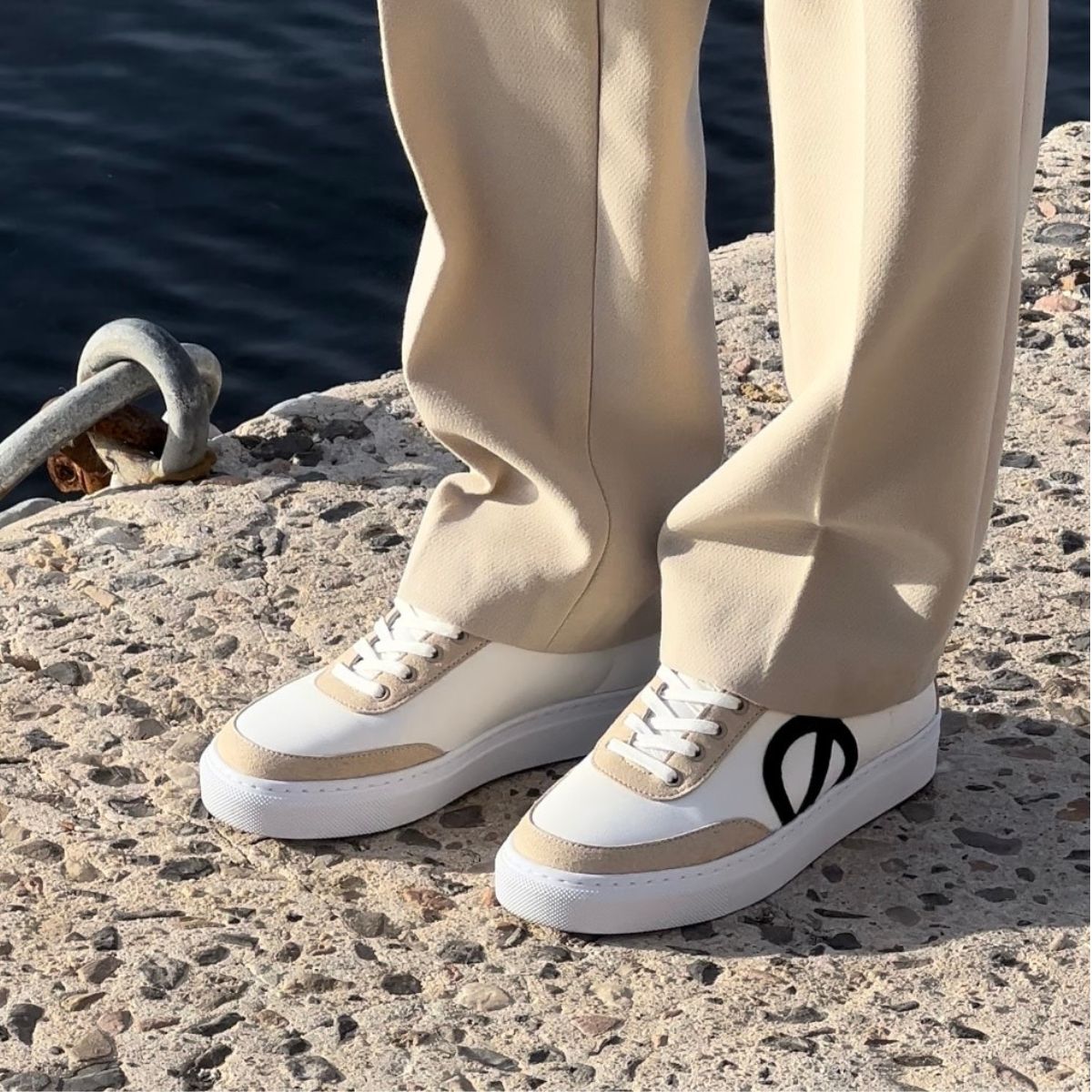

Top 3 Vegan Sneaker Materials, Compared by Environmental Impact, Durability, and Production Footprint
How can you choose vegan trainers that truly balance a low environmental impact with real-world durability and everyday comfort? Marketing buzz and novel materials can mask the trade-offs that matter most: material composition, manufacturing footprint, and end-of-life performance.
We compare the top three vegan trainer materials across environmental impact, durability, and production footprint, drawing on lifecycle data, wear tests, and recycled-content analysis. Then we set out clear, evidence-based criteria for choosing by composition, comfort, and end-of-life options, and offer practical steps to verify ethical supply chains so you can select trainers that match your priorities.

1. Choose materials for your trainers by composition, comfort, and durability
Common vegan uppers for sneakers and trainers include recycled PET, microfibre, woven natural fibres, cork, and fungal or plant-based leathers. Recycled PET typically delivers high abrasion resistance but lower breathability. Microfibre mimics suede, offering moderate breathability and good flexibility. Woven natural fibres breathe well, but tend to wear faster. Cork and fungal leathers range from stiff to supple and generally need less petrochemical processing. Check labelling for recycled content, fibre type, and any chemical finishes so you can weigh comfort against environmental trade-offs. When judging likely durability, inspect seam and bond quality, look for reinforced toe and heel panels, and note outsole thickness. Try simple at-home checks to reveal common failure points. Rub a fingertip firmly over high-wear areas to simulate abrasion and watch for delamination on bonded uppers or thinning on woven fabrics. Combining these quick tests with a close inspection of materials and construction will help you choose uppers that match your priorities.
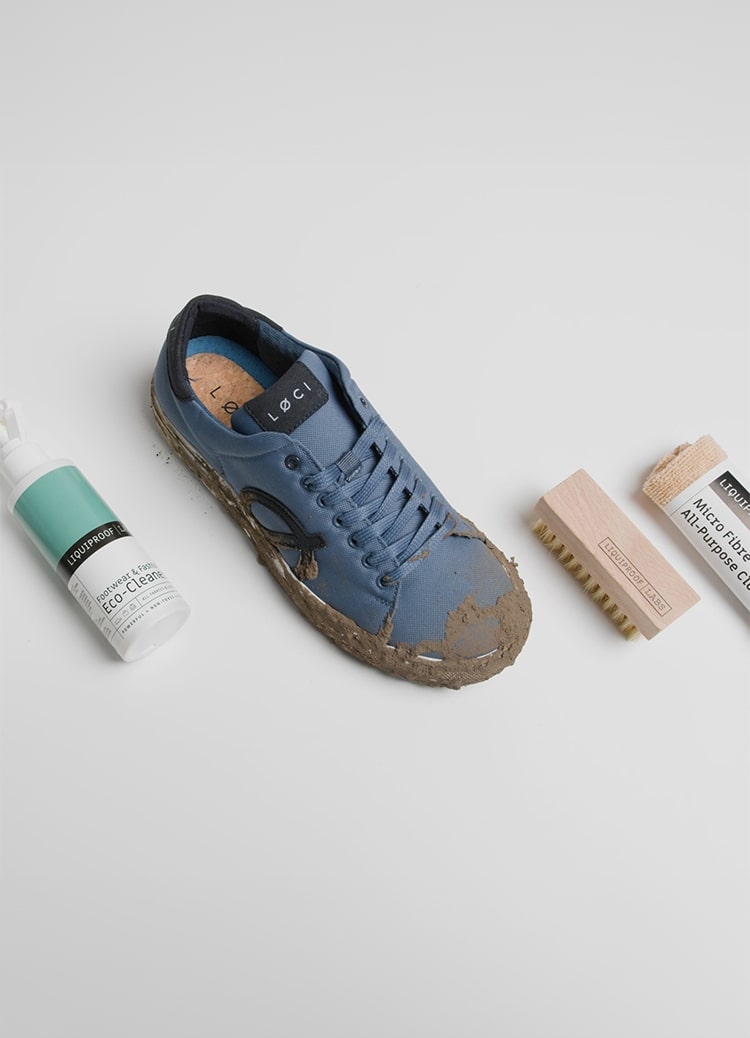
Use this comfort and fit checklist when trying on sneakers or trainers, whether in-store or at home. Flex the forefoot to check upper flexibility, press the midsole to assess cushioning rebound, verify heel-counter rigidity for stability, and ensure a roomy toe box to allow natural toe splay. As a rule, a stiffer sole helps on long walks, while a very flexible upper suits everyday casual wear. Look for production-footprint signals when evaluating materials. Energy-intensive polymer synthesis, solvent finishes, and chemical coatings typically increase environmental cost. Balance those against lower-energy options such as mechanically processed cork or untreated natural fibres. Recycled plastics cut waste, but they can shed microfibres; plant-based leathers often avoid petrochemicals, though some require chemical processing. Weigh these trade-offs rather than assuming one solution is always better. Extend usable life through appropriate care and repair. Dry-brush and spot-clean suede-like microfibre, wash canvas in cool water with a neutral soap, and avoid heat on plant-based leathers. Prioritise repairs, resoling, or specialist take-back and textile-recycling schemes over premature disposal to reduce overall impact.

2. Assess the product's life-cycle impact and recycled content
Request third-party life cycle assessments (LCA) or environmental product declarations (EPD), and compare cradle-to-gate impacts on a per-kilogram basis to standardise materials with different densities and product formats. If an LCA is unavailable, estimate carbon dioxide equivalent (CO2e) and water footprints by multiplying average emission and water-intensity factors by the material weight per pair of trainers to create a comparable metric. Verify recycled-content claims by mass and origin, favouring post-consumer inputs, and seek third-party certification or test reports to confirm the recycled material is actually present and suitable for future recycling. Where possible, request details on processing pathways and contaminants, since these affect both recyclability and the realised environmental benefits.
Balance recycled content against durability and repairability when evaluating trainers and sneakers. Quantify probable service life from construction details such as stitched seams, replaceable soles, and abrasion-resistant uppers. A longer-lived shoe can lower environmental impact per year, even if its initial recycled content is modest. Assess end-of-life options and microfibre risk by checking whether components are mono-material for mechanical recycling, whether bio-based alternatives carry credible compostability certifications, and whether independent tests document microfibre shedding during wear or cleaning. Examine the production footprint beyond raw materials by requesting information on dyeing and finishing processes, solvent and water use, and supplier energy sources. Compare lower embodied material impacts with higher processing burdens to form a balanced lifecycle assessment.

3. Demand ethical supply chains and transparent end-of-life plans
Demand full material traceability and independent verification. Ask suppliers for chain-of-custody certificates, third-party audit reports, corrective action plans, and clear evidence of wage and working-hours compliance. Retain audit records and provenance documentation to substantiate ethical claims rather than relying on marketing. Make these obligations contractual, with defined corrective-action timelines and enforcement clauses that trigger if audits reveal non-compliance.
Write contracts that require design for end of life. Specify modular construction, removable fastenings, minimal adhesives, and the avoidance of mixed, non-recyclable laminates. Require a material passport that lists each component material and recommended recycling pathways, so recyclers can process mono-material streams more efficiently and products retain real circular potential. Mandate take-back schemes and certified processing routes, requiring suppliers or manufacturers to operate or partner with accredited mechanical recycling, chemical recycling, or industrial composting programmes that accept returned items for proper end-of-life treatment. Standardise plain-language labelling, and require regular public reporting on chain-of-custody coverage, the percentage of product covered by take-back, recycling diversion rates, and supplier corrective actions. Verify those reports with independent auditors, and tie performance to contractual targets for recycled content, reuse, or longevity.
Throughout the article, we compare material choices in vegan trainers using life-cycle assessments, wear testing, and recycled-content analysis to evaluate environmental impact, real-world durability, and production footprint. By examining composition, construction details, and end-of-life pathways, you can estimate service life and select upper and sole materials that reduce impact per year.
Follow these practical checks from the article to judge comfort, repairability, and ethical supply chains. Flex the forefoot: a trainer should bend where your foot bends; resistance here often means poor comfort and extra strain on seams. Inspect seams, stitching, and glue lines for even, tight work and no gaps — visible separation predicts limited repairability. Press and twist the midsole to test resilience and long-term cushioning. Verify recycled-content claims and chain-of-custody certification, for example the Global Recycled Standard or the Recycled Claim Standard, to confirm responsible sourcing. Prioritise modular construction and mono-material components, and look for removable insoles or replaceable soles, since these features make repair and recycling far easier. Finally, select trainers with verified take-back, remanufacturing, or recycling pathways to reduce waste and extend value across a trainer's lifespan.