

10 Features to Prioritise in Vegan Trainers for Every Workout
With so many pairs promising performance, comfort, and conscience, choosing the right vegan trainers can feel overwhelming. Whether you run, lift, or navigate the high street, the wrong fit or unsuitable support can cause discomfort and slow your progress.
This guide explains ten essential features to weigh when choosing trainers, including fit, heel-to-toe drop, breathable, verified vegan materials, robust cushioning, and outsole grip. Read on to learn how to assess support, durability, repairability, and ethical credentials, so you can choose trainers that perform, protect your feet, and align with your values.

1. Choose the right trainers for your discipline and goals
Match a trainer's cushioning, heel-to-toe drop, and responsiveness to the activity. Firmer, lower-drop, more responsive midsoles suit speed work, agility drills, and plyometric training, while softer, higher-stack foams offer protection and comfort for long, steady runs or walks. Check the midsole material and test how it compresses under load to judge rebound and impact protection. Choose an outsole design and rubber compound to suit your terrain: shallow siping and grippy rubber for wet paving, deeper lugs for trail conditions. Examine where the rubber is thickest to predict likely wear zones, so you can plan rotation and replacement.
Also, verify vegan construction beyond the upper. Adhesives, glues, and finishes can contain animal-derived ingredients, so request a detailed material breakdown or independent certification, and ask manufacturers for explicit material lists when in doubt. Look for third-party verification where available. Prioritise fit, lockdown, and orthotic compatibility. Try trainers with the liners or thin insoles you normally use, allow natural toe splay, check for a removable insole if you rely on inserts, and assess heel counters and midfoot straps for the lateral support your activity requires. Inspect construction to estimate service life: neat stitching, bonded seams, reinforced toe bumpers, and an outsole with sufficient thickness all point to greater durability. Rotate pairs to give foams time to recover, clean uppers with mild soap, and air dry away from direct heat. Monitor sole wear patterns to decide when to replace or to switch styles.
Wear mid-weight fleece layers for comfortable cooldowns

2. Confirm fit, sizing, and heel-to-toe drop
Heel-to-toe drop is the vertical difference between the heel and the forefoot, commonly classified as low (0–4 mm), medium (4–8 mm), and high (8–12 mm). Drop affects how your weight distributes during movement: a lower drop shifts more load onto the forefoot and increases demand on the calf and Achilles, while a higher drop cushions the heel and reduces calf strain. Low drops often suit forefoot or midfoot runners and people seeking a minimalist feel, whereas higher drops can benefit heel strikers or those with tight calves. Medium drops provide a compromise for mixed running, lifting, and general gym work. Match drop to your training goals and injury history, and introduce changes gradually to give your body time to adapt.
When trying on vegan trainers, wear the same clothing and foot coverings you use for workouts. Push your toes forward so there is about one thumb's width behind the longest toe to allow for natural swelling and toe splay. Do a few jumps and squats to reveal heel slip or weak midfoot lockdown, then walk on a hard floor to check for pinching across the instep or forefoot. Test toe-box volume by standing on one foot and observing natural toe splay. A roomier toe box lowers the risk of blisters and black toenails during running and heavy lifts, but balance width with a secure midfoot hold. Remember that construction affects sizing: synthetic leathers tend to stretch little, while mesh and knit give more. Try the exact material with any orthotics in place, consider swapping insoles to alter internal volume, and allow a short return window so you can notice subtle pressure shifts before committing.
Try cushioned vegan trainers for responsive all-day movement.

3. Choose certified vegan materials and sustainable alternatives
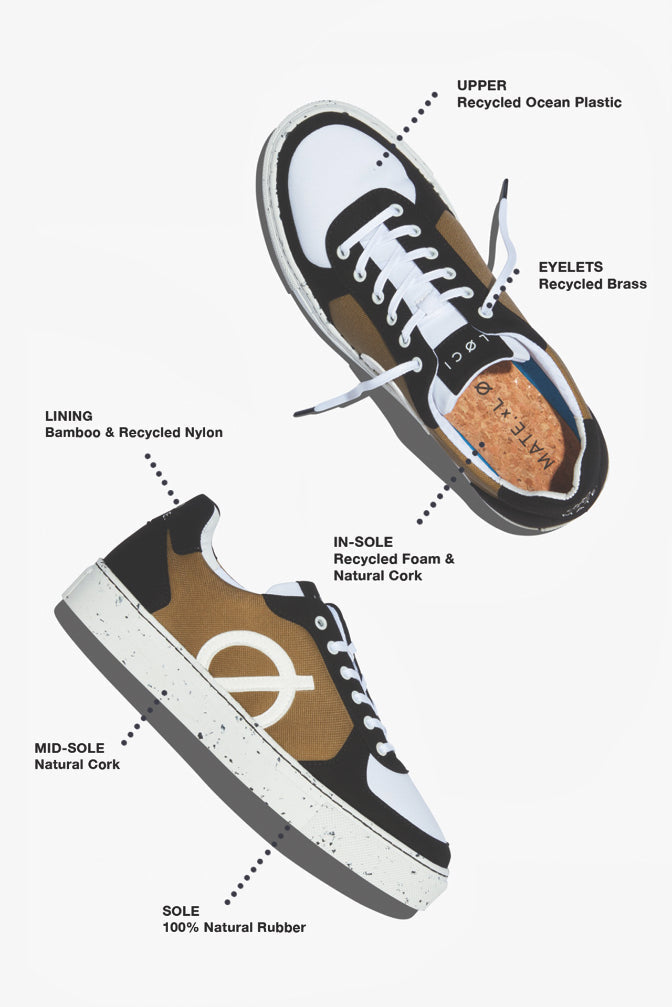
Check independent vegan and textile certifications first: The Vegan Society, PETA-Approved Vegan, OEKO-TEX Standard 100, Global Recycled Standard, GOTS, and bluesign. Visit each certifier’s website and cross-check the certificate scope to confirm which materials, components, or processes the mark actually covers. Prefer plant-based or recycled technical materials, but weigh the trade-offs. Natural rubber, cork, and bio-based foams increase renewable content and improve grip. Recycled polyester and nylon retain performance and divert waste from landfill. Ask suppliers for durability data, breathability measurements, and any independent testing that assesses microfibre shedding. Inspect small components and finishes. Ask whether adhesives are water-based or solvent-free, whether dyes meet REACH or low-VOC standards, and whether eyelets, zips, and foams are recycled or nickel-free. Where possible, request supplier statements, test reports, or third-party verification to support their claims.
Prioritise longevity and repairability. Choose trainers with replaceable insoles, resolable outsoles, and reinforced high-wear zones, and test flex points and seam strength where you can to estimate lifespan. If labelling is vague, request a materials breakdown or safety data sheet, and ask for clear repair and spare-part policies to understand how straightforward maintenance will be. Assess end-of-life transparency by favouring trainers with documented recyclability, take-back schemes, or compostable components. Request evidence, for example recycling rates, accepted return logistics, or third-party audits. When brands claim sustainability, verify those claims with the documents rather than relying on marketing language.
Choose certified recycled‑fibre layers for durable, low‑impact everyday wear

4. Maximise Breathability and Moisture-Wicking Performance in Trainers
Breathability refers to how air moves through the upper. Moisture-wicking describes fibres drawing sweat from the skin to the shoe surface so it can evaporate. Knowing the difference helps you balance ventilated comfort with quick drying. Inspect the upper by holding the trainer up to the light to check mesh openness. Run your fingers over the toe box, midfoot, and other engineered knit zones to feel for perforations. Check that ventilated panels sit where the foot generates heat, not where the shoe needs structural support. These visual and tactile checks reveal whether a trainer favours convective airflow through the upper or relies on moisture-wicking fibres to manage sweat, or combines both approaches.
Inspect insoles and linings for removable, perforated liners made from breathable, plant-based or synthetic wicking materials, and confirm the lining does not trap moisture so you can dry and replace parts between sessions. Look for moisture-management finishes that are compatible with vegan materials and described by function, such as antimicrobial or rapid-dry treatments, rather than by marketing terms. For high-intensity, sweaty training, prioritise maximum ventilation and fast-drying fabrics; for lateral support or cooler conditions, favour moderate breathability with structured overlays. This lets ventilation support performance without undermining stability, and lets you match drying speed to how often you rotate or wash your trainers.
Keeps you warm after sweaty training sessions.

5. Assess cushioning, midsole tech, and impact protection in trainers
Look for midsole materials and foam densities that match your training. Common vegan-friendly options include EVA, polyurethane alternatives, and bio-based or recycled foams. Foam density controls shock absorption, durability, and weight, so denser foams usually last longer and feel firmer, while lower-density foams feel softer and lighter but may compress faster. When trying trainers on, press the midsole with your thumb and then walk to feel how the foam compresses and rebounds. Also check product notes for stated rebound numbers or compression-set, the permanent loss of thickness after repeated use. These simple hands-on checks and spec points show whether a foam will soften impacts and retain its structure through repeated sessions.
Cushioning profile and geometry determine how a shoe absorbs impact and where it sends load. Stack height, heel-to-toe drop, and rocker or segmented shapes can shift force to favour stability for lifting, or smooth repeated impacts for distance work. To match a pair of trainers to your workouts, balance responsiveness with plushness, then test how that combination feels in motion. Quick practical checks - Run and hop: do a short run and a few single-leg hops. Judge whether landings feel controlled and push-offs feel lively. These simple movements reveal if cushioning suits your stride and training. - Inspect stability features: twist the shoe and remove the insole to study layered construction. Look for multi-density elements such as firmer medial rails, heel inserts, and torsion plates, which guide roll and resist unwanted motion. - Test durability and recovery: examine outsole abrasion after a test run, and squeeze the midsole repeatedly to see how quickly it recovers. Slow recovery can mean the foam will compact faster in regular use. - Verify vegan credentials: read material descriptions and third-party certifications to confirm that uppers, adhesives, and linings are animal-free. Taken together, these checks give you evidence to decide whether a sneaker or trainer will perform as needed over time, based on tangible inspection and testing.
Consider a vegan, responsive trainer built for speed.

6. Prioritise stability and ankle support for confident movement
When choosing trainers for dynamic moves or heavy lifts, look for a firm heel counter and a deep, moulded heel cup. These features lock the rearfoot, reduce slippage, and help control pronation, the inward roll of the foot, under load. A broad, stable base and a slightly flared outsole increase ground contact and lower the centre of gravity, which helps resist rolling during lateral work. Opt for denser midsole constructions or layered foams, and structural elements such as a torsion shank or medial plate; these limit unwanted compression and twisting under load. Finally, check for a removable insole so you can add bespoke orthotics without compromising the trainer’s fit.
In sneakers or trainers, a structured synthetic upper with internal overlays, multi-point lacing, or straps should cradle the midfoot and ankle, delivering adjustable support without unnecessary stiffness. Choose a snug, slightly higher collar or a padded heel tab that supports the ankle while allowing natural up-and-down movement (dorsiflexion and plantarflexion). Test stability with single-leg hops and slow, controlled squats: the shoe should lock the foot under load, yet let your foot and ankle move freely.
Lock your foot with a secure, responsive fit.

7. Test outsole grip, tread pattern, and durability on trainers
Test your trainers on the surfaces you actually use. Walk and stop on wet tile, concrete, and compacted gravel, then perform a few lateral shuffles and a quick pivot. Note which parts of the outsole make contact and whether the sole grips, slips, or flattens. Compare those observations to the tread: deep, widely spaced lugs eject mud and bite on soft ground, directional grooves channel water on roads, and shallow, flat siping suits indoor courts. Matching the tread to the surfaces you encounter gives a clearer prediction of real-world performance than any marketing claim.
When judging the longevity of sneakers, trainers, or high tops, inspect the construction for clear signs of durability. Look for continuous rubber coverage in high-wear zones, visible stitch lines, a reinforced toe bumper, or a cupsole profile, which wraps the midsole and upper and typically bonds more robustly than a simple glued sole. Compare compound behaviour: softer rubber delivers immediate grip but abrades faster, while firmer compounds last longer but can feel slippery at first. Mixed-compound soles, or designs with a harder centre strip and softer edges, balance grip and wear resistance. Perform simple hands-on checks: bend the front of the shoe repeatedly to reveal cracking or delamination, examine lug depth for smooth patches or exposed midsole, and note any uneven abrasion patterns that indicate the sole does not match your gait and may need replacing. These tests give concrete evidence of how a sole will perform over time, helping you choose trainers that last.
Try a responsive, durable trainer for varied surfaces.

8. Optimise weight, flexibility, and responsiveness in your trainers
Weight, flexibility, and responsiveness each change how a trainer performs, and you can spot them with simple cues. Notice weight as mass on the foot, flexibility by how easily the forefoot bends, and responsiveness as midsole rebound when you press with your thumb. Different sessions prioritise different features: favour a low heel-to-toe drop and wide platform for heavy lifting, lightweight, high-rebound constructions for sprinting, a moderate drop with balanced cushioning for HIIT and mixed training, and softer, more durable cushioning for long runs. When choosing trainers or sneakers, scan the specs for heel-to-toe drop, stack height, and any visible shank or torsional elements to anticipate balance, ground feel, and energy transfer.
Midsole materials and construction determine three key traits in trainers: stability, propulsion, and long-term rebound. Denser foams and embedded plates add stability and forward drive, while lighter foams cut mass but often sacrifice sustained rebound. Test rebound by compressing the foam with your thumb and watching how quickly it returns: lightweight, highly responsive foams compress easily yet can lose spring sooner than firmer, reinforced midsoles. Assess platform stability with a single-leg squat to feel how the sole supports your foot. Check forefoot flexibility by bending the shoe at the metatarsal joint, where the toes meet the foot. Judge transition speed with quick lateral shuffles and hops, and inspect outsole wear patterns to evaluate grip and long-term support. Watch for permanent creasing, visible midsole compression, and thinning rubber in high-wear zones; these indicate that either responsiveness or stability may be declining. Use those clues to decide which trait should dominate for your training.
Favor a lightweight, responsive trainer to boost speed.

9. Assess build quality, repairability, and expected lifespan
Inspect the upper and seam construction on your trainers or sneakers. Stitch-through uppers or a visible welt usually indicate the shoe can be resoled. Fully glued uppers resist resoling but typically allow greater forefoot flex, which can suit dynamic training. To test construction, hold the heel, flex the forefoot, and watch the junction where the upper meets the sole. Any separation or opening of layered seams reveals how the shoe will behave under repeated flex. Squeeze the heel and the forefoot to gauge midsole foam density and rebound. Firmer, slower-rebounding foam often lasts longer; fast-rebounding foam feels springier but may compress sooner under heavy use. Check flex grooves and high-wear areas for compression marks or fine cracking, which are early signs of midsole breakdown. Match the foam resilience you observe to the demands of your training — high-mileage runs and frequent plyometrics accelerate foam fatigue, while casual use places lower, more forgiving stresses on the midsole.
When evaluating trainers, start with the outsole: look for deep tread and a dense rubber compound in high-wear zones. Deep tread gives you more material before it wears flat, and dense rubber resists abrasion, both of which extend traction life. Note modular or stitched outsole edges, which make resoling far easier. Check for removable footbeds, standard eyelets, stitched overlays, and visible stitch lines, because those details let you perform repairs on the spot or source compatible replacement parts later. Photograph or record these repair-friendly features so a cobbler can match materials and parts. Finally, estimate likely lifespan by matching visible construction cues to your routine: reinforced toe caps and dense sidewall stitching for heavy lateral movement, thick forefoot rubber and a stable midsole for high-mileage running, and firm heel counters with layered uppers for cross-training.
Stay comfortable while you rotate and repair trainers

10. Verify ethical credentials, supply chain transparency, and end of life impact
Check third-party ethical credentials in official registries and read published audit summaries. Confirm certificate validity and note whether audits name supplier factories so you can cross-check working conditions and wage policies yourself. Demand supply chain transparency: ask for a supplier list, raw material origins, or a QR product passport, and use those details to verify whether key inputs trace back to certified mills or farms. Request a materials breakdown by percentage, and probe material chemistry to establish whether plant-based leathers require industrial composting or heavy chemical treatments, and to estimate microplastic shedding from synthetic alternatives. This information provides verifiable evidence to compare ethical claims with actual sourcing and material behaviour.
Also, check end-of-life systems: confirm whether the brand publishes recycling or take-back programmes, uses modular construction that enables repair, and provides clear disposal and disassembly instructions. These factors show whether a shoe can realistically re-enter a circular stream. Request independent life cycle data, such as life cycle assessments and per-pair carbon and water footprints, to quantify production impacts. Combine those figures with measurable durability and repairability scores to calculate environmental cost per year of useful life. A higher upfront footprint can still yield a lower annual impact if a pair lasts longer and can be repaired, so base comparisons on per-year performance rather than on headline material claims.
Choose trainers that match your fit, heel-to-toe drop, cushioning, stability, and verified vegan materials to suit your discipline and reduce injury risk. Inspect construction, breathability, outsole tread, and repairability, and look for stitched joins, breathable uppers, and well-spaced lugs to assess likely durability and real-world performance from observable construction details.
Use the ten headings here, from fit and drop to midsole technology and supply chain transparency, as a checklist when you try on pairs: test them on-foot, simulate the movements you’ll use them for, and ask for a full material breakdown. This practical, evidence-based routine helps you choose trainers that deliver performance, safeguard your feet, and reflect your ethical priorities over a longer lifespan.