
How to Use Artist Partnerships to Simplify Sustainable Fashion Messaging
Sustainability claims often fade into background noise, leaving shoppers unsure which choices genuinely reduce environmental harm. Collaborations with artists can cut through that complexity, transforming technical detail into vivid, relatable stories that help people make confident, informed decisions.
This post sets out a clear route: craft a concise sustainability narrative, partner with artists who amplify your message, and scale visibility while measuring impact. Follow the steps and examples to build creative partnerships that sharpen your messaging, strengthen credibility and generate clear, reportable metrics.

Craft a concise sustainability narrative that inspires trust and action
Distil your sustainability message into three core claims that matter to customers: material source, durability and end of life. Commission an artist to render each claim as a single, memorable line paired with a consistent visual motif. Ask artists to translate supply chain facts into sensory stories by linking processes or materials to texture, colour or human craft. Sensory metaphors make abstract systems tangible and easier to grasp. Keep the claims concise and the visual language consistent. That combination reduces technical overload, improves comprehension and deepens engagement.
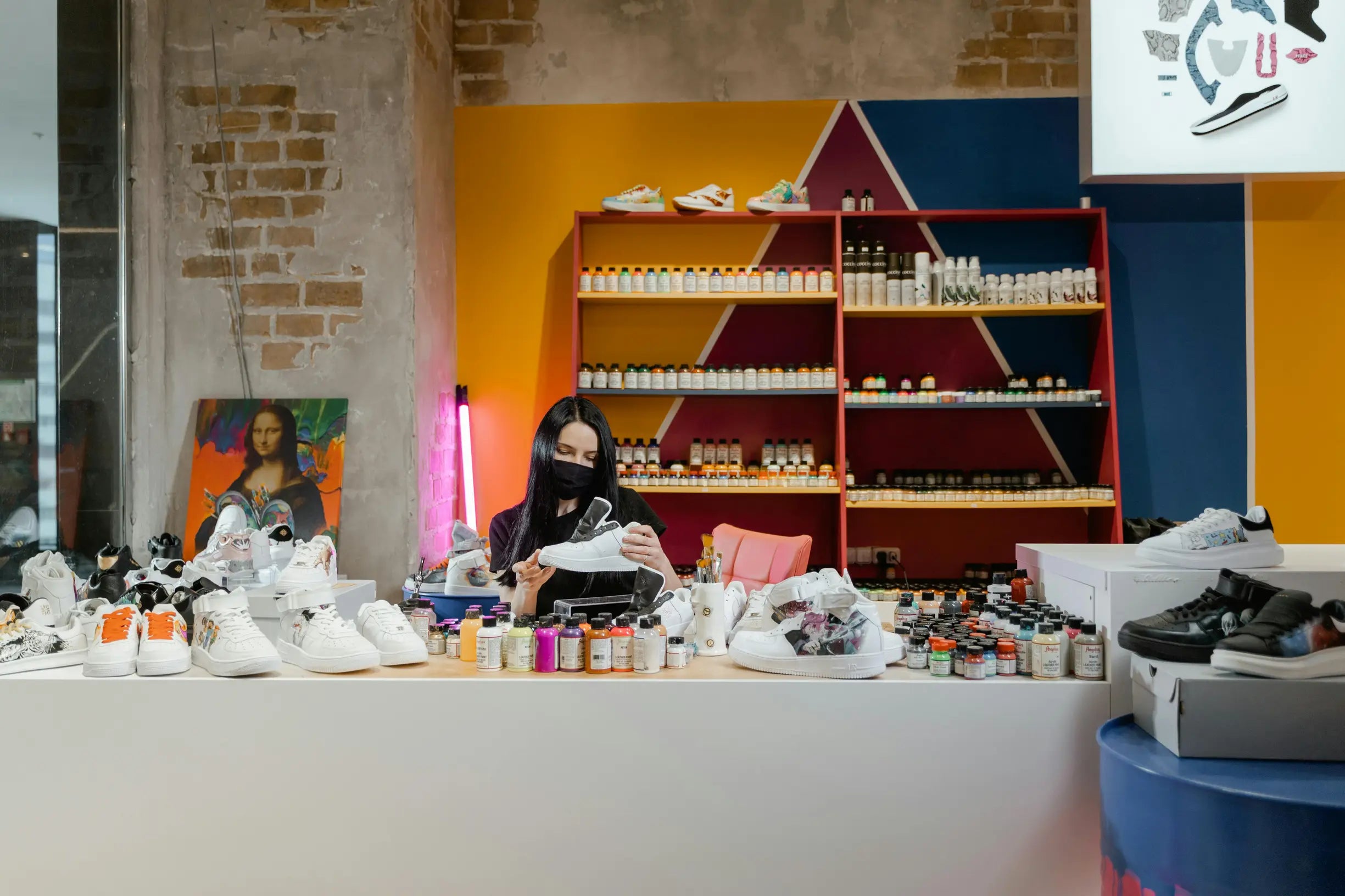
Co-create with artists a plain-language glossary and a concise set of approved metaphors, then apply them consistently across product pages, packaging and campaigns to reduce confusion and build recognition. Prototype these artist-led messages in small-scale displays and on social channels, gather simple comprehension and emotional-response feedback, and iterate to remove jargon and visual clutter. Include artist-authored evidence, such as studio sketches, process visuals and material close-ups, alongside clear claims so customers can verify stories visually. Tangible visuals and consistent language let people draw their own conclusions without relying solely on technical certificates.
Showcase material texture with this heavyweight stone-washed tee.

Choose artists who amplify your message and extend your reach
Start by mapping your core sustainability principles against an artist’s public statements, portfolio and audience demographics to identify genuine alignment. Verify authenticity by reviewing multiple past projects for recurring sustainability themes, analysing engagement signals such as share and save ratios and the depth of comments, and requesting concise case studies that show how artists handled environmental or social complexity. Compare these quality metrics across platforms to separate genuine resonance from vanity metrics. Prioritise collaborators who can demonstrate measurable impact and a clear commitment to sustainable practice.
Test a creative partner's technical literacy by asking them to explain material choices and production constraints in plain English, and by verifying references from previous ethical collaborations. Use these conversations to judge their ability to translate technical detail into clear, compelling narratives your audience will understand. Set collaboration terms that promote longevity by agreeing measurable outcomes, arranging joint workshops for co-creation, and planning follow-up activities to embed new practices. Define reporting requirements and creative boundaries up front so you can evaluate impact consistently and iterate the partnership.
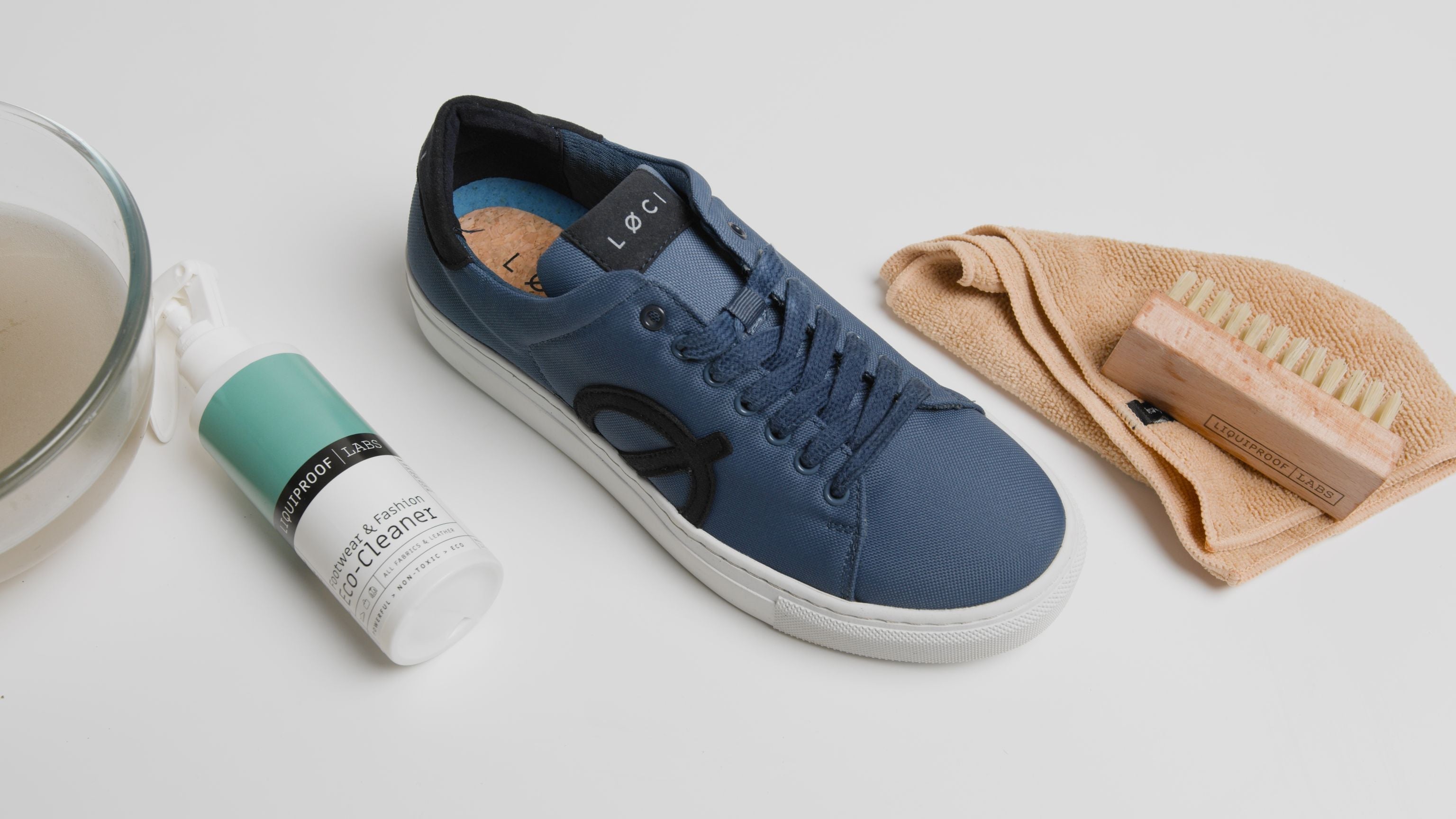
Select vegan footwear that demonstrates measurable sustainability

Grow your reach and measure social and environmental impact
Set clear, measurable KPIs before any collaboration. Establish a baseline for audience awareness, reach and engagement, then track conversion to sustainable product lines, numbers of garments repaired or recycled, and estimated material or carbon savings to create concrete targets. Design modular creative packs artists can adapt for social posts, gallery drop events and high street pop-ups, and require unique links or trackable tags so earned reach from artist networks can be measured alongside paid and owned channels. Review progress against the baseline at regular intervals to attribute change to the partnership and keep momentum toward your sustainability goals.
Make creative work accountable. Equip artworks and garments with QR codes or short links that open dynamic impact pages presenting lifecycle data, clear calls to action and options to record consented emails or pledges. Calculate conversion from interest to behaviour by tracking those sign-ups. Combine quantitative metrics with qualitative insight: run pre- and post-surveys, employ social listening and sentiment analysis, and hold brief focus groups or artist interviews to explain why particular creative approaches resonated. Publish campaign outcomes alongside the environmental calculations that underpin them, relying on third-party lifecycle assessments or verified measurement methods to show items diverted from landfill or extensions to average product life. Use those findings to refine artist briefs and distribution plans, prioritise the creative approaches that deliver clear, scalable impact, and repeat the measurement cycle to increase visibility and quantify long-term results.
Artist partnerships transform technical sustainability claims into sensory stories people immediately grasp. Centre on three clear pillars: material source, durability and end of life. Pair consistent visual motifs with plain-language glossaries and artist-authored evidence, such as process sketches and material close-ups, to strip out jargon and boost comprehension and engagement.
Choose artists whose portfolios, public statements and engagement metrics reflect your values. Assess their technical literacy in plain language, and agree collaboration terms that include clear, measurable outcomes and shared workshops. Prototype adaptable creative packs, deploy trackable links and dynamic impact pages, and substantiate campaign claims with pre- and post-campaign surveys, social listening, focus groups and verified lifecycle assessments. This approach lets you iterate, scale what works and report credible impact.