
Top 10 Sneaker Styles to Pair with Every Dress Silhouette
Pairing trainers with a dress can feel like a balancing act for anyone seeking comfort without losing the garment's silhouette. A chunky sole can overwhelm a slip dress, while a low-profile trainer can leave a boxy shift looking unfinished.
This guide decodes dress silhouettes and pairs ten trainers with every shape, showing you how to balance proportions, colour, pattern and texture for any occasion. Read on for practical outfit templates, sustainable material guidance and fit tips to make it easier to build reliable, repeatable looks.

1. Decode dress silhouettes and proportions to find your best fit
Recognise common silhouettes such as column, A-line, fit-and-flare, slip, shirt dress and full skirt, and note each one’s dominant line and where it adds or removes volume. A column dress keeps a straight vertical line, so pair it with low-profile trainers or a platform trainer to preserve that clean silhouette. A-line and full skirts concentrate volume at the hem, so sleeker footwear helps balance the shape. Fit-and-flare styles and shirt dresses draw the eye to the waist, so choose shoes that either visually extend the leg or anchor the outfit. Because hems and ankles change perceived proportions, avoid trainers that finish at the same narrow point as the hem, which can shorten the leg; instead opt for a low-profile shoe, a taller platform or a contrasting ankle detail to extend or play against the line.
Pair chunkier trainers with streamlined, tailored shapes to stop outfits from feeling top-heavy. For voluminous, flowing dresses, choose sleeker trainers so the look preserves movement rather than becoming bottom-heavy. Use colour, texture and tonal matching as tools: a tonal trainer and dress read as a continuous vertical line that elongates, while a contrasting colour or textured shoe creates a deliberate focal point that anchors a floaty silhouette. Make small, practical adjustments to alter the eye’s resting point: cinch the waist with a belt, vary the height of your legwear to extend or interrupt the leg, and try different ankle reveal options. Most importantly, test combinations by walking and sitting to see how a trainer affects drape and balance in motion. These quick experiments give the clearest evidence of whether a trainer complements a silhouette or competes with it, and help you refine the pairing.
Opt for a streamlined tracksuit to balance chunkier trainers.

2. Explore sneaker silhouettes to find the profile that moves you
Begin by reading sneaker silhouettes as measurable elements: collar height, sole thickness, toe shape and overall volume all change how a sneaker sits against a hemline. Low tops, high tops, platforms, chunky styles, sleek runners and slip-ons each alter perceived proportion. Match profile to dress shape. Pair low tops and sleek runners with fitted sheaths and midi pencil dresses to elongate the leg. Use chunky or platform trainers to anchor A-line, pleated or full skirts. Choose high tops with mini dresses or cropped hems to add presence at shorter lengths. Material and finish also shift formality and visual weight. Smooth leather or patent reads smarter and reduces perceived bulk, while canvas and mesh feel casual and breathable. Knit uppers follow the foot for a cleaner line, so coordinate sneaker texture with dress fabric weight for a coherent, considered look.
Small proportion tweaks make a big difference. Exposing the ankle with no-show liners lengthens the leg, while a coloured or patterned liner deliberately breaks a long line to create visual interest. Loosen laces, partially untuck a hem, or opt for low-profile liners paired with trainers that have chunkier soles to avoid adding bulk and to lend a relaxed silhouette. Consider function and occasion when choosing shape and detailing, favouring streamlined, minimal profiles for smarter occasions and photographic clarity, and reserving chunky or platform soles for long walks and casual days when comfort and balance matter most. Stick to neutral colours and restrained detailing to maximise a single pair's versatility across multiple dress silhouettes, and let proportion and texture guide your finishing choices.
Choose a neutral tracksuit to balance casual sneaker looks.

3. Pair sneakers with every dress silhouette for confident, versatile style
Anchor full, floaty maxis and A-line skirts with bulky, platform or chunky soles; pair low-profile, slim-soled trainers or sneakers with minis and midis to avoid chopping the leg. Test each pairing by photographing front and side views, then tweak proportions — cuff a shirt dress, roll a midi hem, or add a low-rise belt or a tuck to shorten a long torso so footwear does not overwhelm. Opt for no-show or discreet ankle liners to preserve a continuous legline.
Use material and colour as styling tools. Leather or polished uppers sharpen a smart-casual silhouette, while canvas and knit soften a sporty dress. Repeat a colour from the outfit in your trainers for cohesion, or choose a contrasting pair to make a statement and compare the outcomes. For everyday high street wear, favour breathable, flexible trainers; for smart-casual settings, select sleeker silhouettes with cleaner lines and minimal detailing, and keep footwear clean to lift the look. Try small experiments: reveal a hint of ankle to shift an outfit from neat to playful, swap to platform trainers to add height without heels, or mix smooth sneaker uppers with printed or lace fabrics to create deliberate texture contrast.
Try a relaxed, structured sweat set for off‑duty polish.

4. Balance proportions to sculpt confident, striking visual lines
Match the trainer sole to the dress hem to balance visual weight. A chunky, elevated sole anchors ankle-grazing midis and maxis. A low-profile trainer creates a longer leg line with minis and short dresses. Maintain colour continuity by choosing trainers in the same colour family as the dress, or a neutral close to your skin tone, to minimise breaks in the silhouette. A single contrasting pair can work if the rest of the outfit stays streamlined. Reveal a sliver of ankle with low ankle-length hosiery, cropped hems, or a slightly rolled midi to lift the eye. Check the result in a full-length mirror or a photograph to judge whether the look reads heavy at the top or grounded at the bottom.
Choose toe shape and upper lines to sculpt width and length. Pointed or tapered toes narrow the forefoot and elongate the leg, while rounded or boxy toes widen the base and balance fuller or A-line silhouettes. Opt for sleek, minimal uppers with fitted dresses and chunkier, textured uppers with voluminous shapes to keep proportions harmonious. Use belts, long open layers or a subtle heel built into the sole to shift the perceived waist and vertical axis, creating a new focal line that counteracts a low or high trainer profile. Adjust one element at a time so you can judge which change best refines the proportions you want.
Anchor ankle-grazing dresses with a chunky, elegant trainer.

5. Combine colour, pattern, and texture with confidence
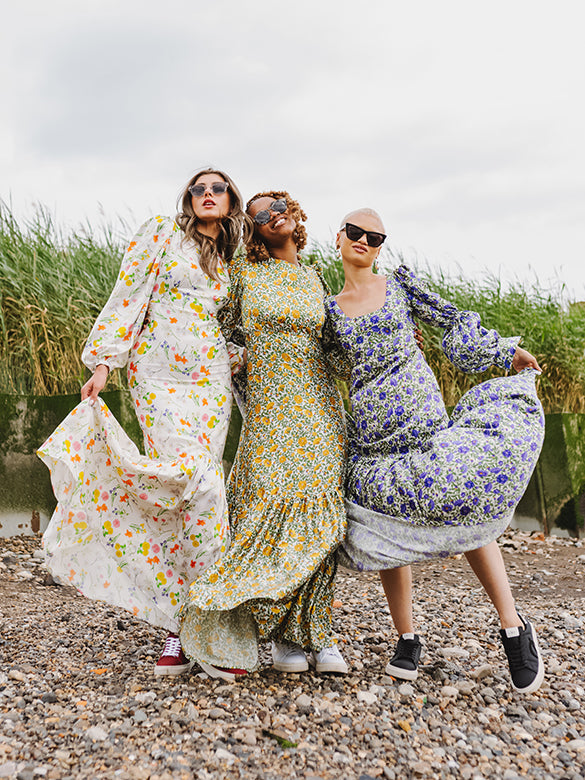
Anchor a busy print by echoing a less frequent colour from your dress in your trainers, laces or other accessories to create cohesion without appearing overly matched. Use scale and proportion to prevent visual competition: pair large-scale patterns with minimalist, low-profile trainers, and balance delicate, small-scale prints with chunkier styles to even out visual weight. Photograph combinations in natural light to assess rhythm, then, if needed, repeat one colour through the outfit while keeping a neutral anchor to unify disparate patterns.
Introduce contrasting textures, such as suede-effect, canvas or pebbled-finish trainers paired with silk, satin or chiffon dresses, to add tactile interest and prevent an outfit from looking flat. Use tonal dressing to manipulate proportion: choose trainers close to your dress or leg tone to create a longer, unbroken line, or pick a contrasting accent colour at the shoe to create a focal point and enliven a muted ensemble. When mixing patterns, control the rhythm by varying scale and keeping one element neutral so the eye has a resting point. Test combinations in natural light and refine small details, like swapping laces or trims, to fine-tune the balance without overthinking the overall look.
Echo dress tones with a sleek, modern tennis silhouette.

6. How to style sneakers for every occasion, from casual to smart-casual
For casual daytime wear, choose canvas or soft-texture trainers with visible stitching and playful colour accents. Pair with a T-shirt dress and a denim jacket for a relaxed, easy-to-move-in look. For smart casual situations, favour low-profile trainers in smooth vegan leather or suede alternatives, minimal detailing, and neutral tones. Pair with a midi wrap dress and a structured high street blazer to keep the silhouette clean and office-appropriate. For evening drinks, pick sleek low-top trainers in smooth vegan leather paired with a slip dress and a tailored coat to balance elegance and comfort. To lift trainers into smart casual territory, select smooth vegan leather or suede-look materials, a narrower sole, and subtle hardware. Repeat the shoe colour in a belt or bag to reduce contrast, since lower contrast and cleaner lines read as more tailored.
Quick checklist before you step out: - Clean sole edges and buff away scuffs for a neater finish. - Replace frayed laces with flat, neutral laces to keep lines crisp. - Use shoe pads or shoe trees to preserve shape and extend wear. - Choose no-show liners or fine-knit tights to avoid bulky lines under trousers or skirts. Styling pointers to balance proportion and texture: - Counter chunky soles with mid-length or structured silhouettes to keep proportions grounded. - Pair sleek trainers or low-profile sneakers with shorter, streamlined hems for a refined look. - Repeat tonal or textured elements elsewhere in your outfit to integrate the footwear and create cohesion. A simple visual rule: lighter or higher-contrast footwear draws the eye, so place them where you want attention. Keep footwear tonal to maintain a quieter, more tailored silhouette.
Pair trainers with relaxed joggers for an effortless, cohesive outfit.

7. Elevate your look with layers, accessories and finishing touches
Balance the bulk of trainers with structured layers and defined waists to create proportionate silhouettes. A cropped blazer or tailored waistcoat narrows the torso and visually lengthens the legs, so pairing them with low-top sneakers keeps the look centred; cinched waists or wide belts on a shirt dress or maxi restore an hourglass or tailored outline. Layering hosiery and ankle layers shifts formality and proportion: sheer tights streamline the leg for smarter occasions, patterned or coloured ankle layers draw the eye at the shoe line, and varying the height of those layers alters the perceived ankle-to-leg ratio.
Accessorise to bridge sporty and smart: match a bag strap, hat band or piece of jewellery to a shoe detail, or echo sneaker or trainer hardware with metallic accents. Finish with small trainer and garment tweaks to sharpen the look: swap laces for a contrasting texture or colour, roll or pin a hem to reveal the ankle, and keep soles immaculate. These simple adjustments put you in control of polish and proportion without altering the silhouette.
Use a clean, mid-weight tracksuit as a polished base.

8. Choose sustainable, ethically sourced materials
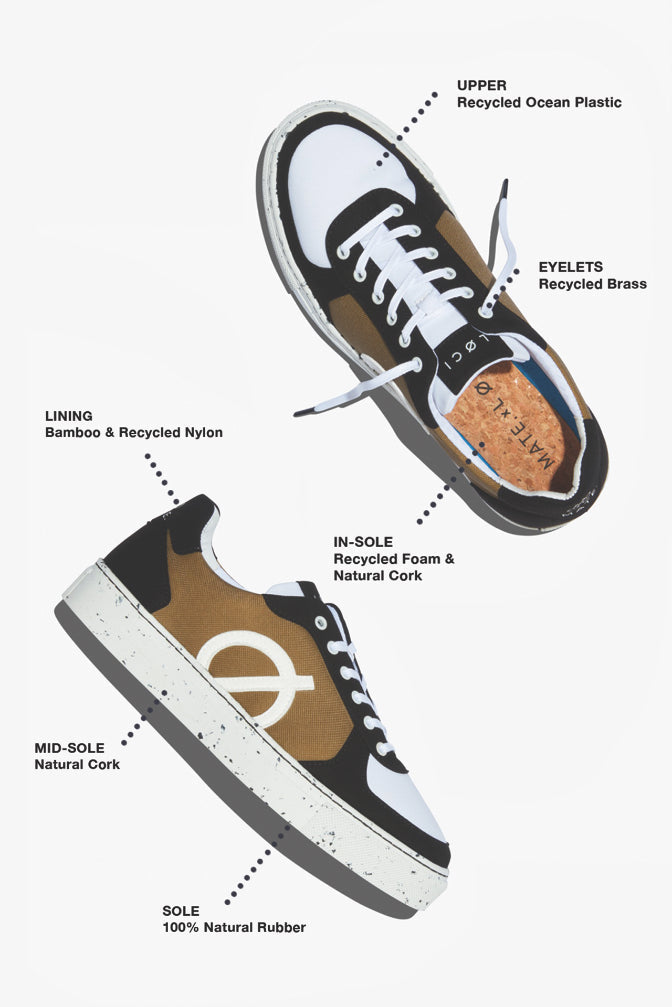
Know what your trainers are made of. Common uppers and sole materials found in trainers and sneakers include vegetable-tanned and chrome-tanned leather, canvas, natural rubber, knit or woven synthetics, and recycled fibres. These materials differ in measurable ways such as typical lifespan, biodegradability and propensity to shed microfibres. Natural materials like organic cotton and natural rubber tend to biodegrade faster and shed fewer microfibres than synthetic knits, while recycled polyester reduces demand for virgin polymer but can still release fibres during wear and washing. On product pages look for a full material breakdown, country of manufacture, traceability or third-party certification, and clear care and disposal guidance. If details are missing, contact the retailer to ask about provenance and repair and maintenance options.
Prioritise longevity and repairability when choosing trainers, sneakers or high tops. Favour stitched construction, resolable soles, removable insoles and designs that offer spare parts. Work with suppliers that provide repair or take-back programmes to extend product life. Adopt simple care routines to keep footwear in use longer: gentle spot cleaning, air drying away from direct heat and using shoe trees. Check whether components separate easily for recycling. At end of life, mono-material shoes or separable components improve recyclability. Natural rubber or organic cotton can offer compostable routes where facilities exist, so investigate local textile collection, take-back schemes and straightforward upcycling ideas to keep trainers in use. Weigh trade-offs using measurable criteria. Recycled fibres reduce virgin material use but can increase microfibre release. Chrome-free or vegetable tanning cuts heavy-metal pollution but may alter durability. Often the single biggest environmental win is a longer expected service life, so prioritise durability and repairability over relying on a single label.
Choose certified mid‑weight cotton blends for durable everyday wear.

9. Prioritise fit and comfort when choosing trainers with practical details
Try shoes with the underlayer you plan to wear. While standing, press your longest toe to the front so there is roughly a thumb's width of space, then walk about a dozen steps to confirm the heel does not lift more than a fingertip. Adjust lacing to remove pressure points rather than to squeeze the foot. Assess support and cushioning by pressing the midsole at the arch and heel to judge flexibility and rebound, and opt for removable insoles if you need bespoke arch support, since extra cushioning helps reduce impact on knees and feet during long days. Match silhouette and proportion by pairing low-profile, slim-line sneakers or trainers with sheath or mini dresses, and use chunkier soles or higher collars to anchor floaty midi and maxi silhouettes. Choose lacing or adjustable straps for stability on the move, check tread for grip on wet or uneven surfaces, and favour breathable, easy-to-clean uppers that resist creasing. Rotate pairs to allow cushioning to recover.
For practical wear, favour fastenings that let you fine-tune the fit, and opt for a slightly higher collar or a padded heel if you expect long periods on your feet, as extra ankle coverage boosts stability. Treat porous materials with a protective spray, and choose uppers that breathe and wipe clean to preserve appearance and reduce the risk of blisters. Rotate pairs so cushioning can recover, and check the tread regularly so the trainers you wear to balance a dress silhouette also keep you steady on wet or uneven high street surfaces.
Choose lightweight, breathable sneakers with responsive cushioning.

10. Build outfits from ready-to-wear templates and staple pieces
Begin with six ready-to-wear templates: casual day, smart-casual, office-friendly, evening-relaxed, weekend layered and outdoors. Each pairs a dress silhouette with a complementary sneaker profile and one deliberate fit tweak to balance proportions. Build five staple combinations that match a single dress silhouette with a primary and a backup trainer, one accessory and an ankle-length liner option. For example, an A-line midi with a low-profile trainer, a white ankle-length liner and a cropped jacket to emphasise the waist, swapping to a chunky-sole trainer for a more streetwise edge. These ready-made pairings enable readers to recreate polished outfits in minutes: copy the silhouette, swap trainers and make one small proportional adjustment.
Work with simple proportion rules to guide outfit choices: a visible ankle lengthens the leg, a chunky sole grounds flowing maxis, and adding a belt or shortening a hem restores balance for fuller shapes. Do quick mirror checks before you leave: view front, side and back to confirm ankle exposure, hemline symmetry and overall shoulder-to-hip alignment. To maximise outfit mileage, favour a limited colour palette of two neutrals and one contrast, mix textures such as canvas, faux leather and knit, and rotate three dresses with two sneaker styles — for example low-top trainers and high tops — to create distinct looks. Test each template by photographing front, side and back, note comfort and proportion, tweak footwear height or cuffing as needed, and care for your trainers by cleaning uppers, refreshing laces and protecting soles so they stay smart enough for smarter outfits.
Take the guesswork out of styling. This guide distils how to pair ten trainer styles with every dress silhouette, focusing on proportion, colour, texture and practical fit so you can create comfortable looks that retain their shape. It calls out measurable choices, such as collar height, sole thickness, toe shape and material, and suggests simple, repeatable tests such as walking and photographing outfits, so your decisions rest on observation rather than guesswork.
Treat these headings as a checklist: decode silhouettes, match sneaker and trainer profiles, balance colour and texture and prioritise fit and sustainability. Then put the ready-to-wear templates and five staple combos to the test in real life. Small experiments reveal which pairings lengthen the leg, anchor volume or lift a smart-casual look, helping you refine a compact wardrobe of versatile trainers, high tops, sneakers and dresses that performs across occasions.