
10 Trainer Styles to Elevate Your Smart-Casual Outfits
Trainers now sit at the heart of the modern wardrobe. Keep them smart without looking out of place by choosing the right silhouette, materials, fit, colour, and detailing. Those small decisions determine whether trainers elevate tailored pieces or pull a smart-casual outfit apart.
This guide divides the topic into ten focused sections that show how to choose the right silhouette, prioritise sustainable materials and refined finishes, secure all-day comfort, and balance colour and texture. Find practical styling rules for low and high tops, clear tips for office and social occasions, care advice to keep trainers polished, and a step-by-step plan to build a versatile capsule for everyday outfits.

1. Choose the right trainer silhouette for smart casual
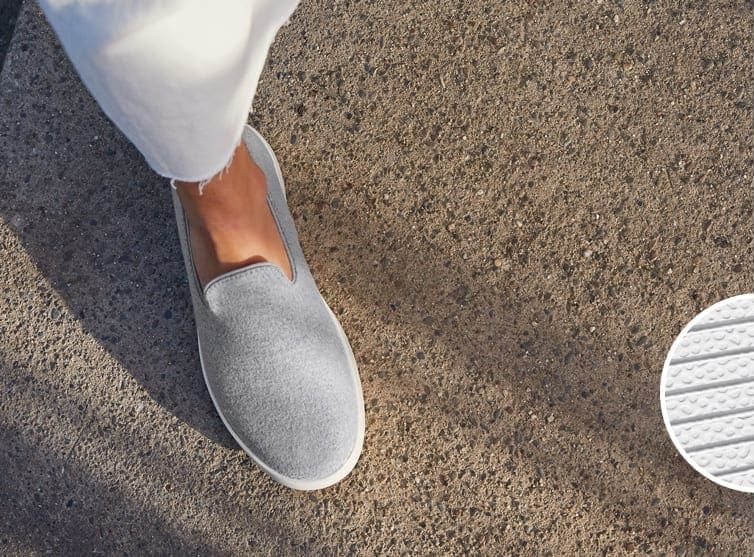
Trainer silhouettes signal different levels of formality. Slim, low-profile leather sneakers and minimalist slip-ons read smart and suit tailored trousers or chinos, while chunkier soles, retro panels, and high tops nudge an outfit toward relaxed dressing. Pair slim low-tops with tailored trousers and chinos, clean slip-ons with cropped trousers or skirts, and high tops with tapered denim and layered looks. Keep sole height proportional to the hem break to avoid the trainer dominating the outfit. Do a quick proportion check: stand back to see whether the trainer complements or overwhelms the line, make sure the vamp and toe box follow the foot's natural shape, and walk a few steps to confirm the shoe sits well in motion.
Small design details shift formality. Thick soles, contrast stitching, visible logos, and multiple panels interrupt a sleek silhouette, while smooth uppers, slim soles, and minimal stitching preserve a smarter profile. Clean low-profile trainers to maintain a crisp shape, swap to slimmer laces to reduce bulk across the forepart, and choose ankle-height legwear to control how much ankle shows. These adjustments remove visual noise, narrow the forepart, and alter the perceived break between shoe and trousers. Use these cues deliberately to raise or lower formality, and to emphasise the lines you want to highlight.
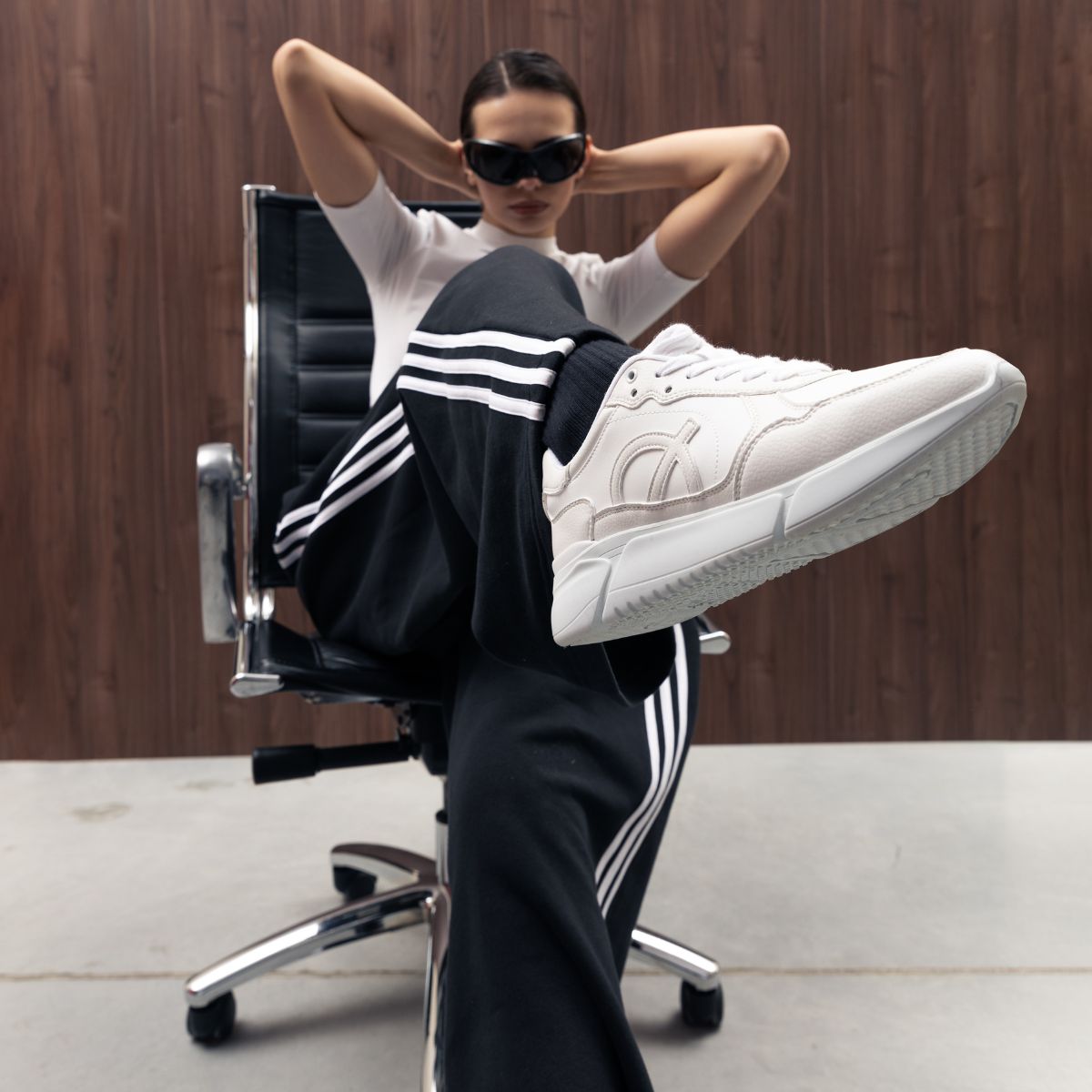
Pair with a clean sweat set for calm off-duty

2. Prioritise sustainable materials and refined finishes for everyday trainers
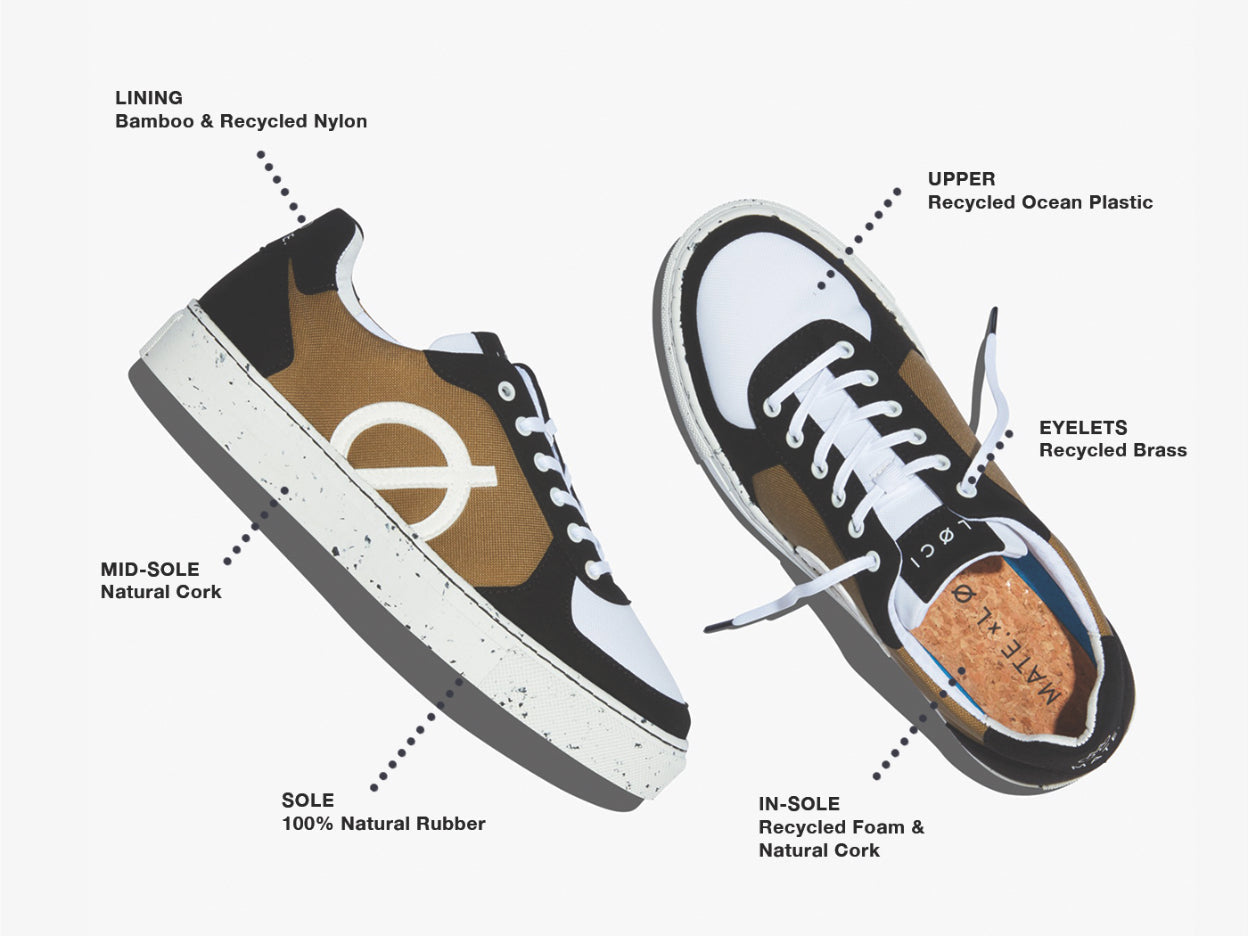
Choose responsible fibres and blends, such as organic cotton, recycled synthetics, natural wool, and plant-based leather alternatives. Check the material breakdown on the label or product description to compare breathability, odour control, stretch, longevity, and care needs. Look for refined finishes that shift trainers toward smart-casual. Seek low-shine or nubuck leathers, clean toe lines, minimal or tonal branding, slim sole profiles, and neat paneling that reads intentional rather than sporty. Use a short inspection checklist when viewing in store or in photos: even stitching, smooth edge finishing, a secure sole join, and consistent colouring indicate better build quality. Favour finishes that age well to avoid premature replacement.
Construction and repairability determine a trainer's lifespan. Favour stitched or welted joins, reinforced toe boxes, and replaceable insoles. Visible stitch lines or an exposed welt indicate a cobbler can resole the trainers. Care for each material: soft brushing for nubuck, mild soap and air drying for textiles, occasional conditioning for natural leather, breathable storage, and eco-friendly reproofing. These steps preserve the finish and reduce how often you need to replace your footwear. Finally, judge sustainability beyond marketing by checking clear sourcing statements, third-party verification, and retailer take-back, repair, or recycling options.
Add a certified, low-impact crew for refined everyday layering.

3. Ensure your trainers fit for all-day comfort and support
1. Measure both feet while standing: trace each foot, then record length and width. 2. Choose trainers that leave about 1 centimetre of space from the longest toe to the front so your toes do not hit the toe box when you walk. 3. Try trainers with the same thickness of foot covering you plan to wear. Lace them up fully, and walk on hard and soft surfaces to check for heel slip. Aim for under 1 centimetre of lift. If you feel more, use a figure-eight heel lock or alter the lacing pattern to keep the heel secure. 4. Press the sole to find the flex point; it should bend where the ball of the foot sits. A sole that folds in half undermines stability, while one that is too rigid concentrates pressure and causes discomfort. 5. Prioritise a correct flex point and a locked heel to support safe, consistent movement.
Match the shoe's last and width to your foot shape—narrow, regular, or wide—and choose removable insoles if you use orthotics so fit and support remain consistent. Think about uppers and lining: leather and suede will mould to the foot over time, while mesh offers greater airflow. Breathable linings move moisture away from the skin, reducing rubbing and odour, and a firm heel cup keeps the rear of the foot stable to prevent hotspots and long-term deformation. Together, these choices help maintain comfort and support through everyday wear.
Choose cushioned low-cut socks for consistent fit.

4. Balance colour, texture, and detailing for cohesive sneaker outfits
Begin with a neutral base, then either apply the three-colour rule or build a tonal outfit from variations of one hue. Introduce a single accent colour echoed in a small detail, such as a belt, watch strap, or pocket square, to create cohesion without overwhelming the look. When wearing checks, stripes, or graphic knits, pick one dominant colour from the pattern and repeat it elsewhere, keeping other pieces neutral so the eye has a single resting point. Avoid pairing busy patterns with highly detailed trainers, and check combinations in natural light. Stand in front of a mirror or photograph the outfit to confirm the footwear sits with, rather than competes with, the ensemble.
Mix textures to add depth. For example, contrast smooth, leather-look trainers with a textured tweed blazer, or pair suede-effect trainers with finer cotton trousers. Limit distinct textures to two or three, and position the heaviest texture away from the face to keep the outfit balanced. Let detailing determine the focus: if your trainers have visible panels or embellishment, simplify the rest of the outfit so the trainers read as an intentional feature. Adjust trouser length and cuffing to reveal the trainer profile, and pair slim silhouettes with low-profile trainers for a cleaner line. Finish with a short testing routine: assemble three candidate outfits, photograph them in natural light, score each for colour flow, textural contrast, and competing details, then make micro-adjustments, such as swapping a jumper or accessory, until the trainers enhance the overall look.
Balance embellished trainers with a calm, structured sweat set

5. Pair low-top trainers with tailored pieces for smart-casual polish
Balance proportions by choosing cropped or slightly cropped hems that reveal a sliver of ankle, or keep any covering discreet, allowing a low-top trainer to sit cleanly against the hem. Avoid full-break trousers, which swamp the shoe and interrupt the tailored line. Choose smooth leather or refined suede with minimal stitching, and a slim sole; favour tonal or monochrome colourways for a seamless, sophisticated finish, and limit contrast to a single accent. These material and colour decisions preserve the clean lines of tailored garments and ensure the trainer integrates seamlessly into the outfit.
Keep trainers looking sharp. Wipe leather uppers, brush suede, clean soles, and replace worn laces so they receive the same care as tailored pieces. To smarten the mix, add a structured blazer, neat overcoat, or crisp shirt. To soften it, choose a fine-gauge knit or a casual shirt. Pay attention to footwear details, cuff length, and blazer lapel width, as these elements change how formal an outfit reads, with shorter cuffs and narrower lapels sharpening the silhouette, and longer cuffs and relaxed proportions softening it. When proportion, upkeep, and accessories align, low-top trainers work seamlessly with tailored trousers and suits in a smart-casual wardrobe.
Add a neat crew to soften tailored looks.

6. Make high tops work with smart casual attire
Choose slim-profile high tops or trainers in low-volume materials, such as smooth vegan leather or vegan suede alternatives. Their streamlined shape preserves a clean tailoring line and reduces visual bulk compared with chunkier trainers. Pair them with tapered trousers and a single-breasted blazer to keep the silhouette neat. Show a small amount of ankle to balance proportions: ankle-grazing trousers, cropped chinos, or a short, well-pressed cuff reveal the shoe and create a tidy transition between leg and trainer. For a tailored finish, have trousers shortened to graze the ankle by a tailor, or use a small blind-stitch hem to reduce break without disrupting the silhouette.
Use texture deliberately. Polished vegan leather-effect high tops with a structured wool blazer read more formal, while suede-effect trainers paired with a fine-gauge knit soften the look. Matte finishes feel more relaxed than glossy ones. Keep the palette restrained, and tie a single focal colour across a sole, accessory, or knit to lengthen the silhouette and create visual cohesion. Take care over finishing details, such as clean, unscuffed shoes, flat waxed laces, low-profile liners, and a minimal sole profile, because these small choices signal intention and lift an outfit. Simple refinements, like echoing a sole accent in a belt or keeping the trouser break minimal, turn a casual trainer into a considered smart-casual element.
Choose a minimal tracksuit for streamlined, layered looks.

7. Pair trainers with office-appropriate tailoring for smart workwear
Choose trainers with a streamlined silhouette, muted or monochrome colourways, low-profile soles, and minimal branding. These features reduce visual bulk and reflect light in ways that sit comfortably alongside tailored shoes. Opt for vegan leather or suede alternatives, recycled canvas, or knitted uppers instead of traditional leather. Pair them with cropped or tapered trousers that graze the shoe, midi skirts, shirt dresses worn under a structured blazer, or a neat jumper over a collared shirt to keep proportions tidy. Contrast the trainers' softer lines with sharper tailoring to retain polish and prevent the look from skewing too casual.
Keep uppers and soles clean, replace worn laces, remove scuffs promptly, and polish leather to nourish the material and reduce visible wear. For formal meetings, plan to swap into smarter footwear: keep a compact pair of smart shoes at the office, or choose a more formal pair of trainers on client-facing days so your footwear fits the moment. Use a quick checklist of silhouette, material, colour, sole thickness, and condition to judge whether a pair reads as office-appropriate, and observe colleagues during meetings to calibrate the local norm. Trial combinations on quieter days and ask for informal feedback to fine-tune the balance between smart and casual.
Wear pared-back joggers for quieter, smart-casual office days.

8. Dress up trainers for evenings and social occasions
Choose smooth, vegan leather or suede-effect microfibre with minimal stitching and a low-profile sole. Untextured surfaces reflect evening light evenly, keeping lines clean and making scuffs and creases more noticeable in close social settings. Keep colours monochrome or closely matched, such as black, navy, or off white, and avoid high-contrast soles or bold panels, since a continuous palette preserves the leg line and prevents trainers from reading overtly sporty. Pair dress trainers with tapered or cropped trousers, or trousers hemmed to graze the top of the shoe, and add structured outerwear or a neat blazer to balance relaxed footwear and create a composed silhouette.
Match dress trainers to the occasion by aligning the shoe's formality with the event. For smarter social settings, favour sleeker styles in polished, leather-look or other refined vegan materials. Read the room: note guests' outfits, whether people wear blazers, shirts, or smarter separates, and look for venue cues such as polished floors, formal table settings, or the wording on the invitation. If peers trend towards classic footwear or the dress code remains unclear, keep a fallback pair of dress shoes to preserve the intended level of formality.
Choose a sleek vegan sneaker for polished, pared-back evenings.

9. How to care for your trainers and keep them polished
Treat each material with its own routine. For leather or leather-effect materials, use a soft brush and a pH-neutral cleaner, or saddle soap, to preserve the finish. For suede, lift the nap with a suede brush and a rubber eraser. For canvas, hand-wash with a mild detergent to retain colour. For mesh, brush gently with cold water to avoid stretching. Address scuffs and stains promptly: blot liquids immediately, erase superficial scuffs with a soft eraser, brighten white soles with a paste of bicarbonate of soda and water, and try a dilute vinegar solution for persistent marks only after testing on a hidden area. Stop if abrasion removes colour or texture, since continued scrubbing will cause fading, or felting on delicate fibres. Follow material-specific steps to reduce the need for more invasive repairs.
Preventative care extends usable life. Treat each pair with a water and stain repellent made for the material — for example, suede-proof spray for suede, and polymer sprays for canvas and synthetic leathers. Rotate trainers and sneakers so sweat and moisture can evaporate between wears, and insert shoe trees to preserve shape and reduce creasing. Keep rubber soles and hardware in good order. Scrub soles with a firm brush and warm, soapy water, check tread regularly, and see a cobbler for resoling before failure. Wipe eyelets and zips clean after wet use and dry them thoroughly to prevent corrosion. Refresh trainers by removing laces to wash or replace them, airing shoes fully after use, and neutralising odour with baking soda or used tea bags tucked inside. Store trainers in breathable bags or boxes, out of direct sunlight, to protect adhesives and colour.
Keep trainers pristine with a gentle, eco-friendly cleaning kit.

10. Build a versatile trainer capsule for effortless everyday style
Build a compact trainer capsule by choosing three to four colours that work across your wardrobe: an off-white, a dark neutral, a mid-tone neutral, and a tonal accent. Limit everyday pairs to three to maximise versatility and reduce decision fatigue. Match material to purpose: smooth vegan leather or leather-look finishes deliver a smart, polished edge, suede or nubuck alternatives add texture without fuss, and canvas or knit reads relaxed. Prefer streamlined silhouettes with cropped or tailored trousers, and reserve chunkier soles for casual denim to keep proportions balanced. Adjust the trainer collar height and the trouser break to preserve a neat line.
Show how trainers lift smart-casual looks with clear pairings: low-profile white leather trainers with tailored chinos and a blazer, suede trainers with a roll-neck and wool trousers, or knitted trainers with a midi skirt and a structured coat. Regular care keeps materials intact, delays replacement, and reduces waste. Clean and condition leather, brush and revive suede, apply a colour-safe protector to vulnerable finishes, and rotate pairs so soles and uppers wear evenly. Keep one understated statement pair to add personality, favour neutral laces and sole colours for easy mixing, reserve a water-resistant pair for wet days, and store trainers in breathable bags to prevent odour and preserve shape.
Smart-casual trainers work best when silhouette, materials, fit, colour, and care align to support tailored lines, rather than compete with them. For example, a slim, low-profile vegan trainer with minimal stitching and a narrow sole complements tailored trousers, while suede-effect uppers add tactile contrast when paired with a high-neck knit and wool trousers.
The ten sections walk you through concrete choices: choose a slim last and sustainable uppers, check flex points, balance proportion, and preserve finish with targeted care. Use the quick checks and a compact capsule to build three reliable outfits, rotate pairs to extend wear, protect finishes, and keep a smart fallback so your trainers always look intentional and polished.