
10 Ways Artists' Stories Bring Sustainable Fashion to Life
Sustainable fashion too often speaks in credentials and claims rather than stories, leaving shoppers unsure why an item matters. Artist narratives rebuild that connection by spotlighting makers, materials, and the decisions that shape a piece's meaning and longevity.
Ten practical approaches reveal origins and values, trace materials' journeys, celebrate craft and makers' hands, and document collaborations and provenance. Together, they turn sustainability from a concept into something concrete. Read on for practical examples and channel-ready formats that build empathy, trust, and audience action around durable, well-made fashion and trainers.

1. How storytelling creates a deeper, lasting emotional connection
Concrete, sensory details trigger empathy: a maker’s hands, the colour of a dye bath, and the constraints faced during production help readers imagine the process and decisions behind an item. When product pages name makers and explain those choices, customer testimonials and repeat purchases tend to follow, because story builds trust. Practical content formats include short, captioned videos of hands at work, annotated step-by-step photos, and a concise maker bio on each product page and on high street displays. Place the most emotional element above the fold, and link to deeper material for readers who want to dive in.
Humanising the supply chain begins with transparency: name the makers, list the craft techniques, and cite material origins. Show the trade-offs by pairing a maker quote—for example, explaining why they chose a natural dye—with photos of tools and the workspace so readers can visually verify claims. Invite two-way storytelling. Prompt people to share how they wear and care for items, curate those customer stories into a rotating feature, and host occasional Q&A sessions with makers to extend authenticity beyond the brand voice. Test and iterate. Run A/B tests on pages with and without maker stories, and track time on page, conversion, email sign-ups, and repeat purchases. Collect short post-purchase surveys for qualitative insight. Use these metrics to identify which stories resonate, then refine and scale what works.
Feel garment-dyed texture steeped in maker-crafted authenticity.

2. Emphasise human details to create authentic emotional connection
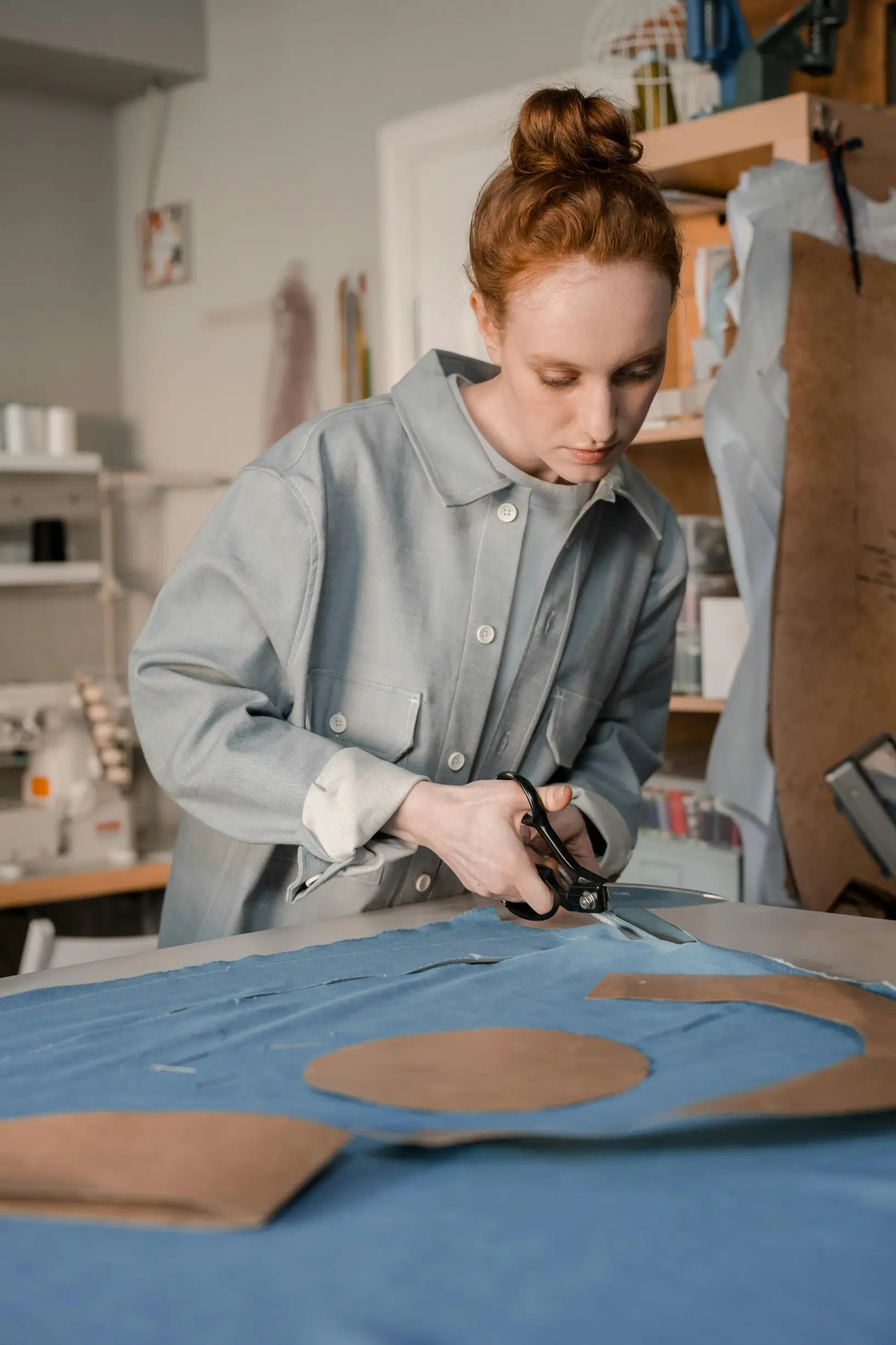
Close-up details such as callused hands, thread-stained fingertips, the rub of fabric, and the rhythmic clack of a sewing machine let readers picture the labour and craft behind each piece. Short routines and rituals, like marking, cutting, testing fits, and finishing, reveal the maker's priorities and decision-making; a line such as "I stop when the seams sit right" captures that practical standard. Acknowledging discarded samples, annotated patterns, and repair notes, or sharing a brief anecdote about a batch that forced adjustments, turns perfection into process and gives readers concrete evidence of judgement and learning.
Name the craftsperson, cite collaborators, apprentices, and material suppliers, and include a single sentence from someone that ties their life to the finished piece. That maps the human network behind each garment and makes interdependence visible. Photograph repair patches, owner initials, and handwritten care notes to render histories tangible and show how garments circulate, age, and endure. Document prototypes and repair practices alongside maker-written care instructions to allow assessment of longevity and to prompt consideration of alternative ownership models, such as mending rather than replacing. These concrete details let readers weigh value, trade-offs, and stewardship for themselves.
Choose a heavyweight, lived-in tee that ages with care.

3. Unearth the artists' origins, values, and creative motivations
Start by mapping the artist's origins: birthplace, early influences, formal training, and first projects. Illustrate each point with archival photographs, early sketches, apprenticeship certificates, and contemporaneous press to reveal the through line to current practice. Pair brief, attributable statements about sustainability priorities, material choices, and labour ethics with tangible specimens, such as material swatches, repair notes, and finished pieces that demonstrate those principles in action. Identify pivotal moments that shifted the artist's approach, and link each to measurable outcomes, for example revised patterns, new supply relationships, or social initiatives. Together, these primary materials allow readers to trace a coherent narrative from origin to practice and draw their own conclusions.
Document day-to-day decisions and quality checkpoints using annotated process photos, short videos, and step-by-step captions that show how sustainable choices are implemented at each stage. Supply corroborating evidence, such as fibre certificates, supplier lists, provenance tags, and third-party statements, enabling verification of the paper trail behind claims. Explain simple checks readers can perform, such as matching material labels to supplier information or cross-referencing interview claims with independent documents.
Choose a certified heavyweight tee as a tactile sample

4. Reveal materials' journey: texture, origin, and sensory story
Create a sensory timeline that follows a material from raw state to finished product. Mark clear checkpoints — raw stiffness, post-scour softness, dye uptake, finished drape, and patina with wear — and pair each checkpoint with one or two tactile swatches or high-resolution close-ups so readers can compare changes directly. Translate technical terms into everyday comparisons so non-specialists form a vivid sensory image: linen crisp like a folded newspaper, fine wool springy like a sponge, vegetable-tanned leather that darkens and picks up fingerprints. Use multimedia evidence to show rather than claim: pair macro texture photos and side-lit shots with short videos of fabric drape and brief audio of fabric rustle. Caption each asset with a tactile descriptor, a practical maintenance implication, and a simple at-home test a buyer can try.
Ask the artist or maker to annotate small material samples with sensory tags and short, repeatable tests — for example, colour transfer, stretch recovery, fold memory, and scent after wetting. Present these annotations as micro-case studies that demonstrate durability, repairability, and likely lifespan. Connect each sensory trait to a sustainability outcome with observable evidence. For example, show how a breathable fibre can reduce washing frequency, how a looser weave allows easier mending, or how a natural-dye patina signals gradual colour change rather than pigment flaking. For every claim, include one clear, reproducible check a reader can perform: - Colour migration: rub the sample lightly with a clean white cloth and inspect for transfer. This indicates dye stability. - Memory and recovery: fold the sample sharply, release, and time how long it takes to return to its original shape. Faster recovery suggests better long-term performance. - Stretch and snap-back: stretch the sample to a set length and release; measure how much it returns. This shows elasticity and resilience. - Drape and hand: drape the sample over the back of your hand to judge recovery and drape behaviour, which relates to comfort and wear. - Wet scent and water response: wet a corner, note any persistent odour or visible change in surface texture; this can flag treatment or dye issues. Standardise each test so results stay comparable: use the same pressure, duration, and surface for rubbing, photograph results, and record times and observations. Small demonstrations like these let readers verify materials with their own senses, and draw evidence-based conclusions about care, longevity, and repairability.
Try a garment-dyed tee to test lived-in softness.

5. Celebrate the maker's hand throughout the creative process
Photographs and short clips that focus on hands at work reveal tactile cues: uneven stitch length, thread tension, and brush strokes. These clues equip readers to recognise hand-finishing and small-batch production. Short quotes from makers explaining why they chose a particular fibre, weave, dye, or finish link those decisions to practical outcomes, such as durability, repairability, and how a piece will age. Highlighting tool marks and natural variation, such as dye variegation, slight asymmetry in seams, and visible needle marks, provides tangible evidence that contrasts with mass-produced uniformity and signals quality and uniqueness.
Present a micro-process sequence from sketch to finished piece as images or a concise, numbered list that highlights stages such as pattern cutting, hand basting, seam finishing, and stitching. Label each step to show where labour adds value, and to indicate where repair or customisation is possible. Publish maker-sourced care and repair tips alongside simple, in-person assessment methods. Provide practical checks for people to perform themselves, such as feeling seam flexibility, inspecting stitch density, and looking for maker signatures or stamps. These steps allow evaluation of a garment's durability and repairability without specialist equipment. Encourage interaction by suggesting straightforward ways to personalise finishes or commission adjustments. Caption visible cues in photos to identify what to look for on the high street or in ateliers. Together, these elements translate craft into clear, actionable signals that empower people to make informed choices about longevity and maintenance.
Feel maker-made durability in heavyweight, garment-dyed cotton.

6. Showcase craftsmanship, technique, and lasting durability in trainers
Close-up technique breakdowns use magnified photographs and short clips to reveal stitches, seam finishes, and joint construction. They include concrete indicators such as stitch density per centimetre, thread type, and reinforcement methods, allowing readers to compare workmanship for themselves. Pairing makers' explanations of key craft choices with photographs of the same techniques on well-worn or professionally repaired garments shows how those choices perform in real life. Step-by-step repair and maintenance guides, with tool lists and before-and-after images, teach how to mend seams, reinforce stress points, and reattach fittings. Include simple, reproducible checks consumers can perform or request, such as inspecting weave density, visually testing seam tension, and identifying edge finishes and interlinings, to translate technical detail into actionable assessment.
Lifecycle stories follow a single piece from raw fibre, through production, everyday wear, and repair. Annotated photographs and user testimony reveal which craft techniques actually extend a garment's life. Visual evidence, maker rationale, and step-by-step repair instructions combine into a practical toolkit that lets readers draw cause and effect and assess durability for themselves. By presenting technique alongside outcome, the approach makes longevity measurable and inspectable, rather than merely rhetorical.
See heavyweight construction and reinforced seams in real wear.

7. Bring cultural influence and lived experience into storytelling
Record a technique or motif's origin story with tight, sensory detail. Pair short first-person quotes with close-up photographs or audio that capture pronunciation and rhythm, so readers experience the practice as living knowledge rather than decorative surface. Let voice and image make the making process tangible. Use annotated visuals to map stitch choices, colour palettes, and silhouettes back to migration routes, community rituals, or everyday labour. Those concrete links let readers trace meaning from maker to product, showing how specific features carry social and historical information.
Include collaborative safeguards: clear consent statements, shared credit lines, and community endorsements. Add brief testimonials that demonstrate practice rather than relying on claims alone. Follow a single garment through a compact lifecycle case study that documents material sourcing, traditional repair methods, and wearer feedback, showing how cultural practices reduce waste and extend usefulness. Provide multilingual captions, a short glossary of artisan terms, and transparent notes on co-creation and revenue-sharing arrangements to preserve nuance and help readers distinguish respectful exchange from appropriation.
Choose a garment-dyed tee that matures with repair.

8. Document collaborations and outcomes to amplify community impact
Document collaborations as concise, evidence-led case studies that pair measurable outcomes with human detail. List the number of local makers involved, kilograms of material diverted or repurposed, and include a first-person quote from an artisan describing how the collaboration changed their work or income. Complement the case study with a behind-the-scenes multimedia package: sequence photographs or short video clips of workshops, annotated images that show techniques learned, and captions that credit each contributor and their role. Together, these elements show impact and origin and support verification instead of leaving the work anecdotal.
Document governance and benefit‑sharing in full: name who made decisions, explain how decisions were made, and show exactly how earnings or resources were allocated. Include statements from community representatives to substantiate claims and reveal power dynamics. Demonstrate co‑design and skills transfer with tangible evidence: share prototypes or product iterations, describe the specific skills exchanged, and provide a compact toolkit or step‑by‑step checklist other groups can adapt. Publish independent metrics and third‑party evaluations alongside clear before‑and‑after indicators, such as changes in household income, employment, and resource use. Add a frank account of obstacles and adaptations that clarifies scalability and outlines practical trade‑offs.
Wear ethical craft—support transparent maker collaborations.

9. Build trust with transparent sourcing and traceable provenance
A step-by-step provenance map shows each stage from fibre to finished piece, pairing concise stage descriptions, typical regions of origin, and photographs or videos that illustrate how materials became garments. Complementary maker and supplier statements, listing names, roles, portrait photographs, and short first-person notes, put labour and authorship on the record as verifiable parts of the story. Verifiable documentation, such as certificates, audit summaries, and batch or lot numbers linked to a public record or a scannable code, enables independent checks instead of unsupported claims. Combined, they make sourcing intelligible and open to scrutiny, helping readers weigh provenance alongside design and durability.
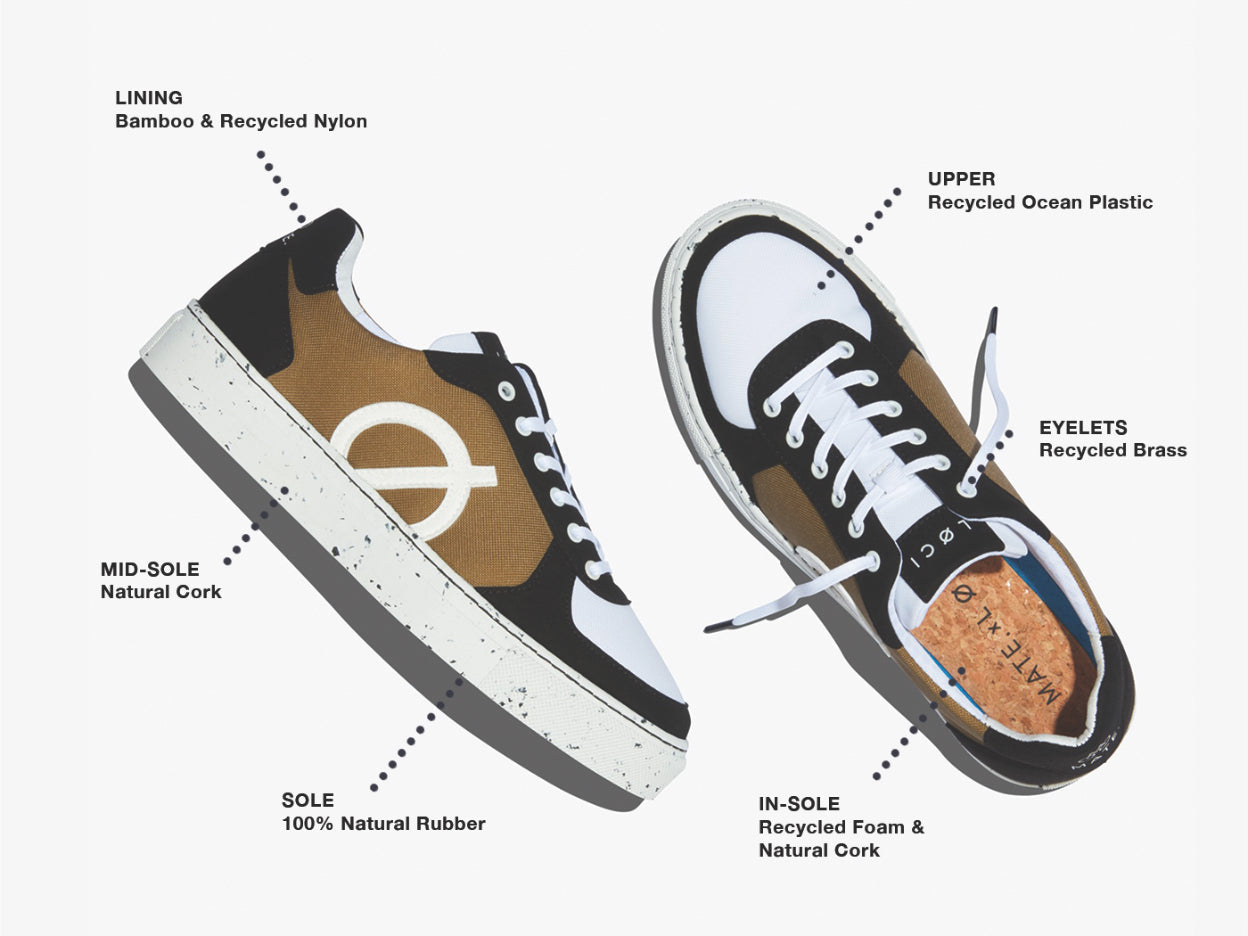
Bring provenance into the ownership experience with tangible cues on the product and online, such as stitched-in origin tags, process photos on care labels, and production-stage images or time-lapse clips. Provide clear, measurable sourcing details, including percentages of recycled, organic, and locally procured materials, together with concise environmental indicators and documented reduction steps, enabling comparison of trade-offs between design, durability, and environmental impact. Link product information to verifiable records and visible maker stories so sustainable claims stand as evidence, not marketing language.
Opt for a certified, durable tee with visible provenance.

10. Activate your audience with the right channels and formats
Short, vertical videos spark discovery and social sharing. Long-form essays or audio interviews on your own site build context and emotional depth. Publish full artist profiles and process galleries on your website or in email, then repurpose snippets, captions, and behind-the-scenes clips for social so audiences can move from quick discovery to meaningful engagement. Short content increases shareability, long-form drives time on page and empathy, and owning the deeper story gives people a clear path to learn more.
Use interactive formats to build trust: livestream studio tours, Q&A sessions, repair and upcycling workshops, and pop-ups on the high street or at markets let audiences see the process and handle materials. Optimise each format for the platform and for accessibility: film in the native aspect ratio, add captions and clear audio, provide alt text, and tailor headlines and thumbnails to audience behaviour. Track view-through rates, shares, click-through rates, and qualitative feedback to identify which formats convert curiosity into action, then reallocate resources to the channels that show consistent engagement.
Taken together, artist-centred narratives make sustainable fashion tangible by naming makers, tracing materials, and mapping factors affecting a garment's lifespan. Product pages and listings that include maker names, process photos, and repair notes keep readers engaged for longer, and they encourage repeat purchases and more attentive garment care. In practice, these transparent stories turn attention into measurable engagement.
Adopt tangible approaches like sensory swatches, annotated process shots, maker bios, provenance tags, and interactive workshops to enable customers to verify claims, run reproducible material checks, and imagine repair or reuse. Publish a clear maker story and a reproducible material checklist, measure responses, and iterate so storytelling becomes a practical route to transparency and longer-lasting choices.